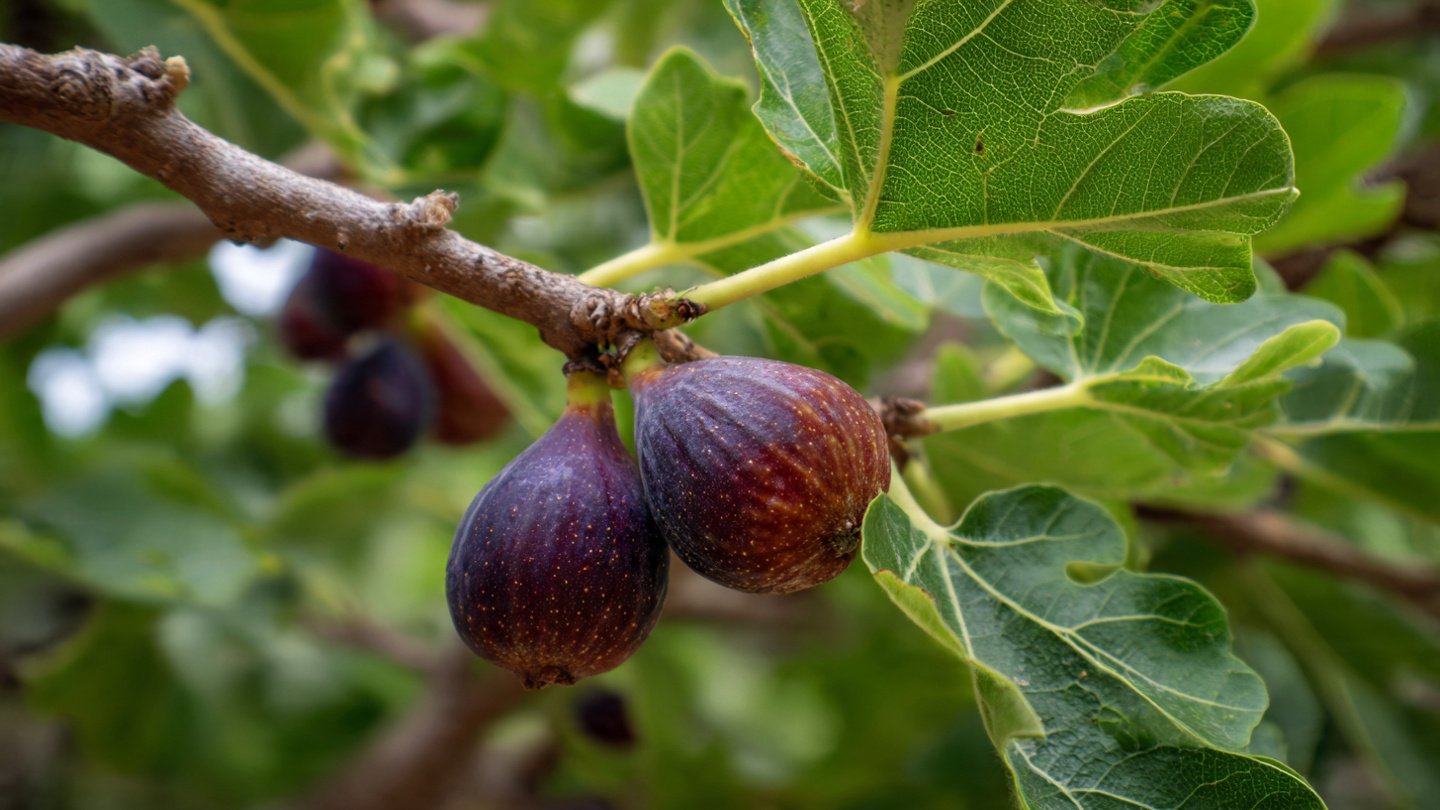
Growing Brown Turkey fig trees (Ficus carica ‘Brown Turkey’) in your backyard can be a rewarding experience, especially when you can enjoy their sweet, succulent fruits. These trees are known for their hardiness and adaptability, making them suitable for a range of climates. With the right care, you can cultivate a lush, fruitful fig tree that thrives year-round. This guide will cover everything you need to know about growing Brown Turkey figs, from selecting the right location to troubleshooting common problems.
Understanding Brown Turkey Fig Trees
Characteristics
The Brown Turkey fig tree is typically a medium-sized deciduous tree that can reach heights of 10 to 30 feet. It boasts large, lobed leaves and produces sweet, 2-3 inch brownish-purple figs with a bright pink interior. The fruit can be harvested from late summer to early fall, making it an attractive option for home gardeners.
Climate and Hardiness
Brown Turkey figs are hardy in USDA zones 7-10. They can withstand winter temperatures down to 15°F (-9°C) but perform best in areas with warm summers and mild winters. In colder regions, consider planting them in pots that can be moved indoors during winter months.
Selecting the Right Location
Sunlight
Figs require full sun for optimal growth. Aim for at least 6-8 hours of direct sunlight per day. A sunny, south-facing location is ideal for providing maximum light exposure.
Soil Requirements
Brown Turkey figs flourish in well-draining soil rich in organic matter. A sandy loam or a mixture of clay and sand is optimal. Aim for slightly acidic to neutral pH levels (between 6.0 and 7.0). If your soil is compacted or poorly drained, consider amending it with compost or planting in raised beds.
Space
Ensure sufficient space around the fig tree for air circulation. A distance of 10-15 feet from other plants will help prevent disease and allow the tree to spread out.
Planting Your Brown Turkey Fig Tree
When to Plant
The best time to plant a Brown Turkey fig tree is in the spring after the danger of frost has passed. This allows the tree to establish its root system during the warm growing season.
Steps for Planting
-
Choose Your Tree: Purchase a healthy, well-established tree from a reputable nursery. Alternatively, you can propagate your fig from cuttings.
-
Preparing the Planting Hole: Dig a hole that is twice the width and the same depth as the root ball of the tree.
-
Soil Amendments: Mix the excavated soil with compost or well-rotted manure to enrich it. This provides vital nutrients for the tree.
-
Planting: Center the tree in the hole, ensuring that the top of the root ball is level with the soil surface. Backfill with the enriched soil, gently patting it down as you go to eliminate air pockets.
-
Watering: Water the tree thoroughly after planting. This helps settle the soil around the roots.
Watering and Fertilizing
Watering Requirements
Brown Turkey figs prefer moist soil but are susceptible to root rot if overwatered. Water deeply and infrequently, about once a week, or more often during dry spells. Always check the top inch of soil to determine if watering is necessary.
Fertilization
Fertilize your fig tree in early spring with a balanced, slow-release fertilizer. A ratio of 10-10-10 (N-P-K) is suitable for fig trees. Avoid excessive nitrogen, as it can lead to lush foliage with little fruit production.
Pruning and Training
Pruning Techniques
Pruning is essential for maintaining the size and shape of the tree as well as for promoting fruit production. The best time to prune Brown Turkey figs is in late winter or early spring when the tree is still dormant.
-
Remove Dead or Diseased Wood: Cut away any dead, damaged, or diseased branches to promote healthy growth.
-
Thin Out Interior Growth: Selectively remove some of the younger branches in the center of the tree to improve air circulation and light penetration.
-
Shape the Tree: Aim for an open, vase-like shape to facilitate fruit production and maintenance.
Training Methods
If you have limited space, consider training your fig tree as a bush or espaliere. Use stakes or trellises to guide the main branches and maintain a tidy appearance.
Pest and Disease Management
Common Pests
While Brown Turkey figs are generally resilient, they can fall prey to pests:
- Fig Beetles: Look for them around the fruit. Handpick or use insecticidal soap.
- Leafhoppers: They may cause damage by sucking sap. Use neem oil to manage infestations.
Diseases
Common diseases include:
- Root Rot: Ensure proper drainage to prevent this fungal disease.
- Fig Rust: A fungal disease characterized by yellow spots on leaves. Apply a fungicide at the first sign of trouble.
Harvesting Your Figs
Figs ripen in late summer to early fall, depending on your climate. Brown Turkey figs are best harvested when they change color to a purplish-brown hue and feel slightly soft to the touch. Use a gentle twisting motion to avoid damaging the fruit and tree.
Winter Care
Cold Climate Considerations
If you live in a colder zone, winter care is essential. Consider these strategies:
- Container Growing: If your figs are in pots, move them indoors to a cool, dark place during winter.
- Mulching: For ground-planted trees, apply a thick layer of mulch around the base to insulate the roots.
- Fleece Covers: In severe climates, cover the tree with fleece during frosty nights.
Troubleshooting Common Problems
Leaf Drop
If your fig tree is experiencing leaf drop, check for:
- Watering Issues: Either under or overwatering may be the cause. Adjust your watering schedule accordingly.
- Pests: Inspect for pests like spider mites or aphids.
Poor Fruit Production
If your tree is failing to produce fruit:
- Pollination Issues: Although Brown Turkey figs can self-pollinate, inadequate pollination may result in poor yield.
- Over-Pruning: Excessive pruning can help shape a tree but may lead to reduced fruit production if done incorrectly.
FAQs
1. How long does it take for Brown Turkey figs to produce fruit?
Brown Turkey fig trees usually begin to produce fruit within 2 to 3 years after planting.
2. Can Brown Turkey figs be grown in pots?
Yes, they can be grown in pots, which allows for easier winter protection in colder climates.
3. What is the best fertilizer for fig trees?
A balanced 10-10-10 slow-release fertilizer works well. Fertilizing in early spring is ideal.
4. How do I know when my figs are ripe?
Figs change color to a brownish-purple and feel slightly soft when they’re ripe.
5. Can I grow a Brown Turkey fig tree indoors?
While it’s challenging, you can grow them indoors with sufficient sunlight, ideally supplemented by grow lights.
6. What are common diseases affecting Brown Turkey figs?
Root rot and fig rust are common issues. Ensure proper drainage and apply fungicides when needed.
7. How should I prune my fig tree?
Prune in late winter to remove dead or diseased wood and thin out branches for better light and air circulation.
Conclusion
Growing Brown Turkey fig trees can be an incredibly enjoyable and gratifying venture, offering not only beauty to your backyard but also delicious fruits to enjoy. With the right care—adequate sunlight, moisture, and regular maintenance—you’ll be able to cultivate a thriving tree that produces fruit year after year. Embrace the joy of gardening and the satisfaction of growing your own figs!