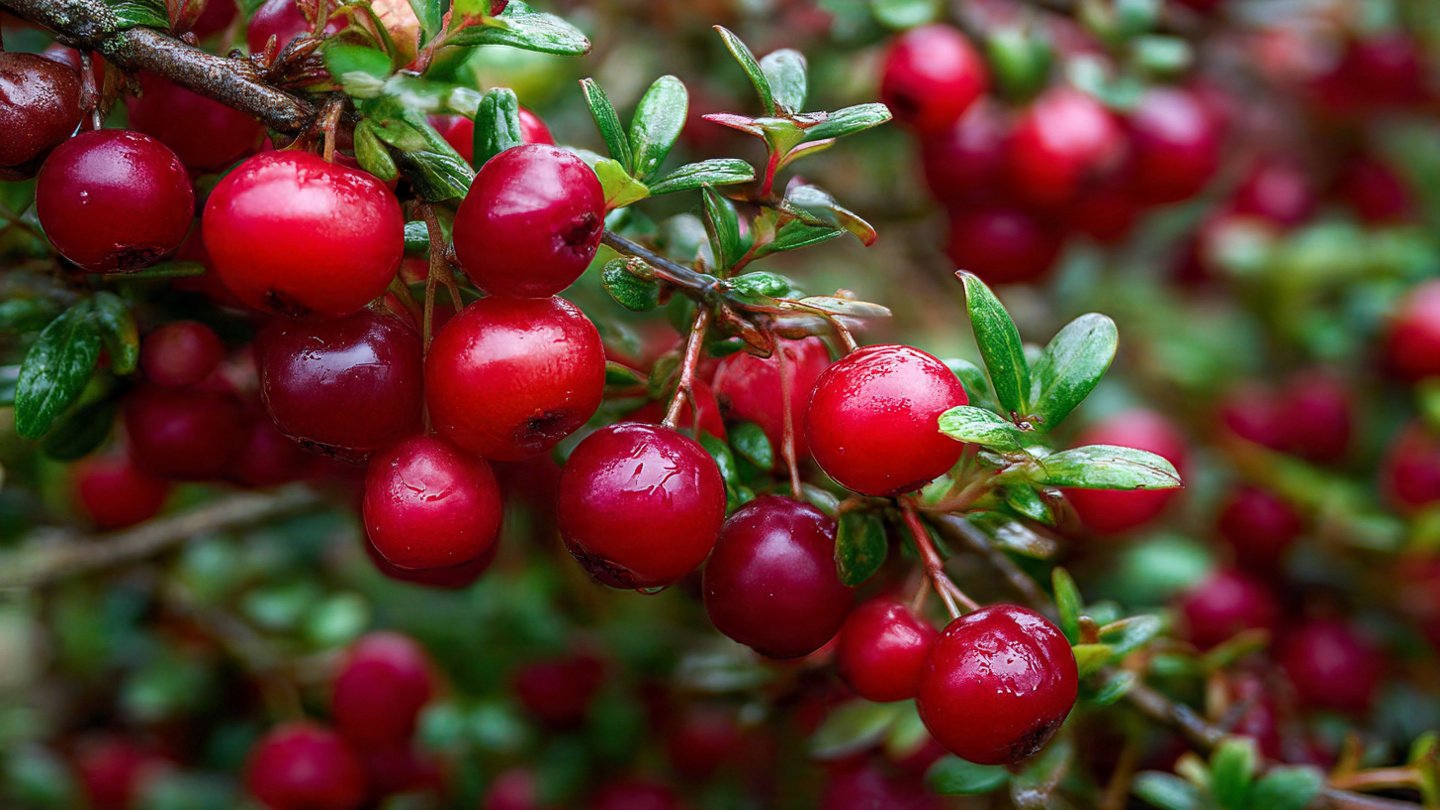
Growing your own cranberries at home can be a rewarding and delicious endeavor. While these tart berries are commonly associated with holiday dishes, they can be used year-round in a variety of culinary applications, from sauces to smoothies. With the right conditions and care, you can cultivate cranberry vines that provide an abundant harvest. In this comprehensive guide, we’ll discuss everything you need to know about growing cranberries at home, from selecting the right variety to harvesting and preserving your fruits.
Understanding Cranberry Vines
Cranberries (Vaccinium macrocarpon) are perennial shrubs that thrive in acidic, sandy soils. They are native to North America and thrive in cooler climates, making them ideal for regions with a temperate climate. These vines produce small, red berries that are not only delicious but are also packed with antioxidants and vitamins.
Key Characteristics
- Growth Habit: Cranberry vines are low-growing, creeping plants that can spread out over time.
- Fruit Production: Each vine can produce numerous berries, typically harvested in late summer to fall.
- Maintenance: Once established, cranberry vines require minimal upkeep.
Selecting the Right Variety
Before you start growing cranberries, it’s essential to select a suitable variety. Here are a few popular options:
- Early Black: Known for its robust flavor and dark color, this variety is often favored for sauces and jams.
- Howes: This variety is adaptable and produces high yields. It’s excellent for both fresh eating and cooking.
- Ben Lear: This cranberry is known for its sweet taste and is perfect for fresh consumption.
When selecting a variety, consider your climate, the intended use of the berries, and your personal taste preferences.
Preparing Your Growing Area
Choosing the Right Location
Cranberry vines prefer sunny spots with well-drained, acidic soil. Here’s how to prepare your growing area:
- Soil Testing: Conduct a soil test to determine pH levels, aiming for a range of 4.5 to 5.5.
- Amendments: If your soil is not acidic enough, consider adding sulfur or other acidifying amendments.
- Drainage: Cranberries thrive in well-drained soil, so be sure to amend heavy clay soils with sand or organic matter.
Planting Technique
- Sourcing Plants: You can begin with established plants or propagate from cuttings.
- Spacing: Space your plants about 18 inches apart to allow for creeping and spreading.
- Planting Depth: Plant cranberries just below the surface, ensuring that roots are well-distributed.
Caring for Your Cranberry Vines
Once your vines are planted, they will need regular care to thrive. Here are the essential aspects of maintaining healthy cranberry vines.
Watering
- Irrigation: Cranberries require consistent moisture, especially during dry spells. Consider using a drip irrigation system for efficiency.
- Mulching: Apply a layer of mulch around the base of the plants to retain moisture and suppress weeds.
Fertilization
- Type of Fertilizer: Use a balanced, slow-release fertilizer designed for acid-loving plants. Avoid fertilizers high in phosphorus as it can harm cranberry plants.
- Timing: Fertilize in early spring before new growth appears.
Pest and Disease Management
Cranberries are susceptible to a few common pests and diseases:
- Common Pests: Watch for cranberry weevils and fruit worms. Use organic pesticides if necessary.
- Fungal Issues: Powdery mildew and root rot can occur in overly moist conditions. Ensure proper drainage and avoid crowding your plants.
Pruning
Pruning is essential for maintaining the health and vigor of your cranberry plants. Here’s how to do it effectively:
- Timing: Prune in late winter or early spring before new growth begins.
- Technique: Remove older, woody stems to encourage new growth and increase air circulation around the plants.
Harvesting Your Cranberries
Determining Ripeness
Cranberries are generally ripe when they turn a deep red color. This usually occurs in late summer to fall, depending on your geographical location. Here’s how to harvest:
- Hand Harvesting: For small patches, you can hand-pick the berries, taking care to only remove fully colored fruit.
- Mechanical Harvesting: For larger areas, consider using a mechanical harvester, especially if you have a significant crop.
Storing Your Harvest
Once harvested, cranberries can be stored effectively for future use:
- Fresh Storage: Store fresh cranberries in the refrigerator, where they can last for several weeks.
- Freezing: For long-term storage, rinse and freeze cranberries in airtight containers. They can last up to a year in the freezer.
Culinary Uses for Fresh Cranberries
Fresh cranberries can be used in various dishes throughout the year. Here are some popular ways to enjoy them:
- Cranberry Sauce: A staple for holiday dinners, this sauce can be made with just sugar and water.
- Smoothies: Add fresh cranberries to smoothies for a tangy flavor and a boost of antioxidants.
- Baking: Incorporate cranberries into muffins, scones, or breads.
Frequently Asked Questions (FAQs)
1. Can I grow cranberries in pots?
Yes, cranberries can be grown in large containers as long as they have acidic soil and adequate drainage.
2. How long does it take for cranberry vines to produce fruit?
Cranberry vines typically start producing fruit in their second or third year after planting.
3. What climate is best for growing cranberries?
Cranberries thrive in cooler climates, with a preference for USDA hardiness zones 3 to 6.
4. How much sunlight do cranberry plants need?
Cranberry vines require full sun for optimal growth, ideally around six hours of direct sunlight each day.
5. Do cranberries need a lot of water?
Cranberries prefer consistent moisture; however, they don’t like to sit in waterlogged soil. A balance is key.
6. Can I harvest cranberries after the first frost?
Freshly harvested cranberries often taste even better after the first frost, as frost can enhance their sweetness.
7. How do I know if my soil is acidic enough for cranberries?
Use a pH meter or soil testing kit. If your soil pH is above 5.5, you may need to add sulfur or acidic fertilizers.
8. Are there any pests I should be concerned about?
Yes, common pests include cranberry weevils and certain fruit worms. Monitor your plants regularly and take action as needed.
9. Can I propagate cranberries from cuttings?
Yes, you can propagate cranberries through vegetative cuttings taken in late summer or early spring.
10. How do I deal with diseases like root rot?
Prevent root rot by ensuring proper drainage and not overwatering. If infection occurs, remove affected plants and treat the soil with appropriate fungicides.
Conclusion
Growing cranberry vines at home is not only possible; it can be a fruitful and enjoyable project. With careful planning and attention, you’ll enjoy delicious, homegrown cranberries that can be used in countless recipes throughout the year. Follow the guidelines provided in this article to enhance your gardening success, and embrace the rewarding experience of growing your own fresh berries!