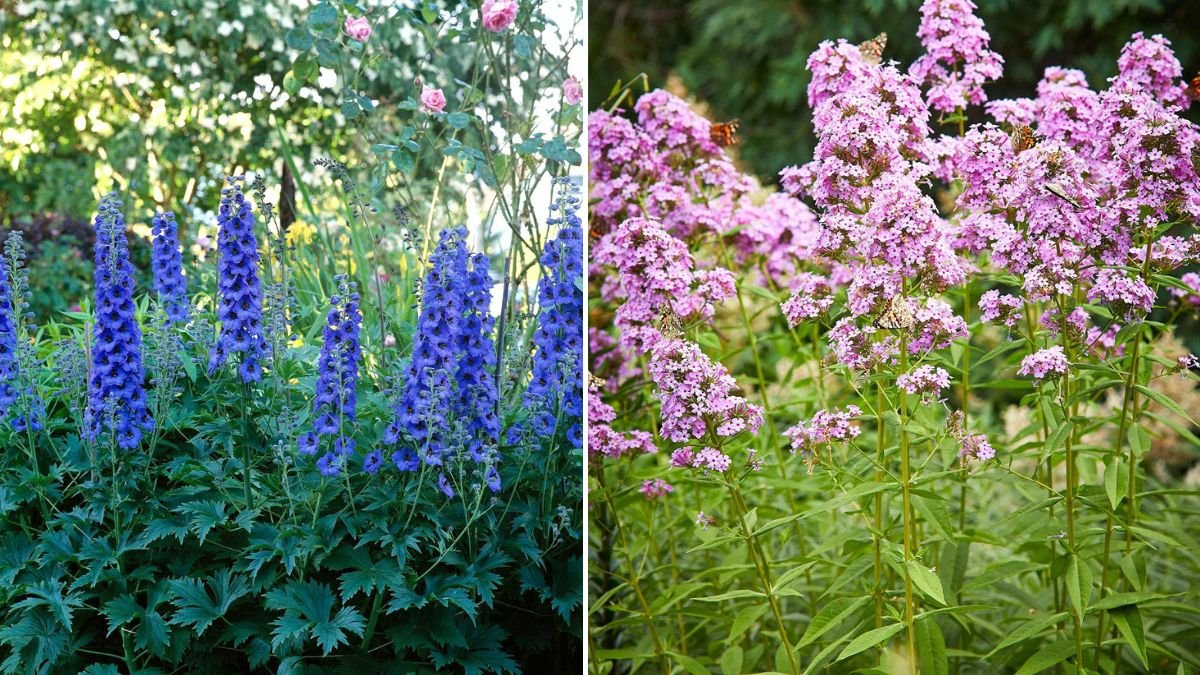
How to Successfully Grow Delphinium Pacific Giant Plants in Your Garden at Home
Delphinium Pacific Giant plants are a stunning addition to any garden, renowned for their towering spikes of vibrant flowers that can reach heights of up to 6 feet. Their enchanting blooms—ranging from blues and purples to whites and pinks—make them a favorite among gardeners. However, growing these magnificent plants requires careful planning and execution. This guide will walk you through various aspects of successfully cultivating Delphinium Pacific Giant in your garden at home.
1. Understanding Delphinium Pacific Giant
Origin and Characteristics
Delphinium Pacific Giants are hybrids developed from the native North American delphiniums. These perennials are known for their grandeur and are prized for their stunning flower spikes, lush foliage, and ability to attract pollinators. They are typically hardy in USDA zones 3-7 and can flourish in gardens ranging from cottage to formal designs.
2. Choosing the Right Location
Sunlight Requirements
Delphiniums thrive in full sun, needing at least 6-8 hours of direct sunlight daily. Choose a location that receives ample sunlight in the morning, which ensures the plants dry quickly after any dew or rain, minimizing the risk of fungal diseases.
Soil Quality
Optimal soil for Delphiniums should be well-drained, rich in organic matter, and slightly acidic to neutral (pH 6.0 to 7.0). Sandy loam or loamy soils are ideal. If your soil is heavy clay, consider amending it with compost or peat moss to enhance drainage and fertility.
3. Planting Delphinium Pacific Giant
Timing
The best time to plant Delphinium Pacific Giants is in the spring after the last frost or in the fall for warmer regions.
Planting Steps
-
Prepare the Soil: Loosen the soil to about 12 inches deep, mixing in well-rotted compost or organic matter.
-
Digging the Holes: Create holes that are twice the width of the root ball and deep enough to accommodate the roots without bending.
-
Spacing: Space the plants at least 2-3 feet apart to allow for their wide growth and tall flower spikes.
-
Planting: Place each plant in its hole, ensuring that the crown (where the roots meet the stem) is level with the soil surface. Backfill the hole with soil and water thoroughly.
4. Watering
Delphinium Pacific Giants prefer consistent moisture, especially during their growing season. However, overwatering can lead to root rot, so ensure proper drainage.
- Watering Schedule: Water deeply once a week, allowing the topsoil to dry slightly between watering sessions.
- Mulching: Applying a layer of organic mulch around the plants can help retain soil moisture and suppress weeds.
5. Fertilizing
To support growth and flowering, fertilize Delphinium Pacific Giants at least twice a season:
- Spring Feeding: Use a balanced, slow-release fertilizer in early spring when new growth begins, which provides the necessary nutrients.
- Mid-Season Feeding: A second application can be made mid-bloom with a low-nitrogen fertilizer to promote flowering instead of foliage growth.
6. Supporting the Plants
Due to their tall growth habit, Delphinium Pacific Giants may require support to prevent the flower spikes from toppling over, especially in windy conditions.
- Staking: Use garden stakes and soft ties to gently support the stems as they grow.
- Cages: Alternatively, consider using plant cages designed for taller perennials.
7. Pruning and Deadheading
Regular maintenance is vital for a flourishing garden:
- Deadheading: Remove spent flowers promptly to encourage further blooming.
- Cutting Back: In late fall or early spring, cut back the foliage to about 6 inches above the ground to promote healthy new growth.
8. Pest and Disease Management
Delphinium Pacific Giants are generally resistant to many pests, but they can occasionally be affected by aphids, slugs, and powdery mildew:
- Pest Control: Use insecticidal soap for aphids and handpick slugs. Regularly inspect the plants for signs of infestation.
- Fungal Diseases: Ensure good air circulation, avoid overhead watering, and remove debris from around the plants to minimize the risk of fungal diseases.
9. Winter Care
In cooler climates, Delphinium Pacific Giants benefit from winter protection:
- Mulching: Apply a thick layer of mulch around the base of the plants to insulate the roots against freezing temperatures.
- Cutting Back: After the first frost, cut back the spent foliage to prevent pests from overwintering.
10. Propagation
While Delphinium Pacific Giants can be propagated through seeds, collecting seeds from hybrid varieties may not yield true-to-type plants. Here are some methods:
- Division: In spring or fall, gently lift mature plants and divide them into smaller sections, ensuring each has roots and foliage.
- Seeds: If you choose to collect seeds, start them indoors 8-10 weeks before the last frost date, or sow them directly outside in the fall.
11. Companion Planting
To enhance the beauty of your garden while providing beneficial interactions between plants, consider companion planting:
- Perennials: Pair with other tall plants like Aconitum or shorter flowers such as daisies and coreopsis that bloom simultaneously for a vibrant display.
- Herbs: Planting alongside herbs like lavender can repel harmful pests and attract pollinators.
12. Troubleshooting Common Problems
- Flowering Issues: If your plants are not blooming, check for too much nitrogen fertilizer or inadequate sunlight.
- Leaf Drop: This could signify overwatering—monitor moisture levels carefully.
- Yellowing Leaves: Indicative of nutrient deficiencies or disease; a balanced fertilizer or treatment for identified issues may be necessary.
FAQs
1. How tall do Delphinium Pacific Giant plants typically grow?
Delphinium Pacific Giant plants can reach heights of up to 6 feet, making them a striking feature in the garden.
2. Do Delphinium Pacific Giants require full sun?
Yes, they thrive in full sun and require at least 6-8 hours of direct sunlight each day.
3. When is the best time to plant Delphinium Pacific Giants?
The best time to plant is either in early spring after the last frost or in the fall in milder climates.
4. How do I prevent pests on my Delphiniums?
Regularly inspect your plants for pests. Use insecticidal soap for aphids and remove slugs by hand or using traps.
5. Can I grow Delphinium Pacific Giants in containers?
While possible, it is best to grow these tall plants in the ground where they have sufficient room for root growth and stability.
6. How often should I fertilize Delphinium Pacific Giants?
Fertilize at least twice a season—once in spring and again mid-bloom, focusing on a balanced, slow-release formula.
7. What should I do if my Delphinium plants become floppy or fall over?
Stake the plants or use cages for support during their growth stages to prevent them from toppling over.
Conclusion
Growing Delphinium Pacific Giant plants can be a rewarding endeavor, adding height and vibrant color to your garden. With consistent care, proper planting techniques, and a commitment to maintenance, you can enjoy the beauty of these magnificent blooms season after season. Happy gardening!