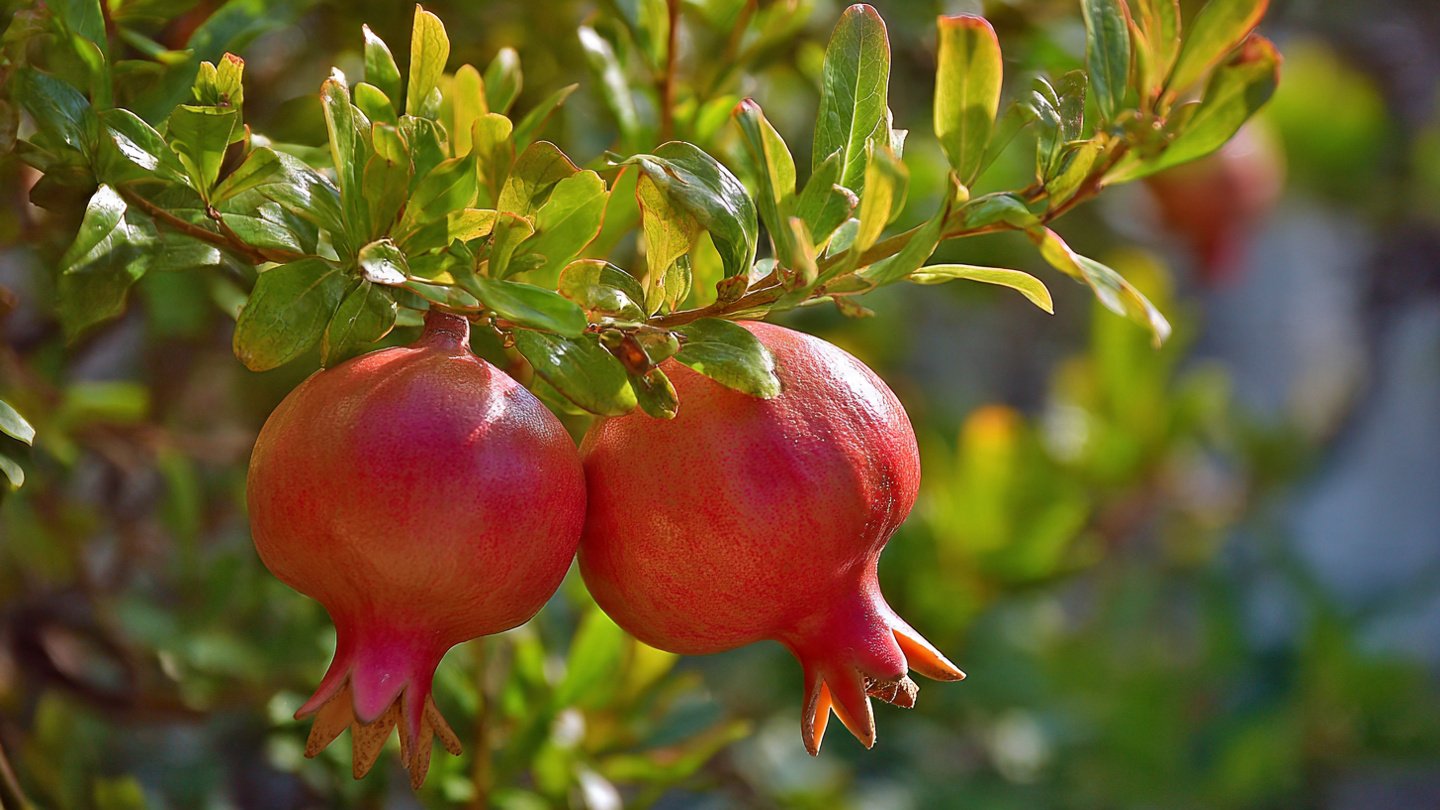
Pomegranate trees (Punica granatum) have gained popularity for their stunning appearance and delicious fruit. One of the most appealing varieties for home gardeners is the dwarf pomegranate. These compact trees make an excellent addition to any backyard, providing beauty and bountiful harvests, all while requiring minimal space. This article will guide you through the essential steps to successfully grow dwarf pomegranate trees in your backyard, from selection to care, and include a FAQs section at the end for additional insights.
Understanding Dwarf Pomegranate Trees
What is a Dwarf Pomegranate Tree?
Dwarf pomegranate trees typically grow between 2 to 4 feet tall. Unlike standard pomegranate trees, which can reach heights of 10 to 30 feet, dwarf varieties are perfect for small gardens, patios, or even container gardening. Dwarf pomegranates produce smaller fruit but are still tasty and retain the characteristic tangy flavor.
Varieties to Consider
There are several dwarf varieties to choose from, including:
-
Nana: This is a popular choice for ornamental purposes as much as for fruit. It produces bright red flowers and small, sweet fruit.
-
Kashmir Pomegranate: Known for its attractive foliage and sweet, juicy fruit, this variety is excellent for growing in containers.
-
Pink Satin: This variety produces beautiful, blush-colored blossoms and medium-sized fruit.
Choose a variety suited to your climate and preferences to ensure the best results.
Growing Conditions
Climate
Pomegranate trees thrive in regions with warm, dry summers and mild winters. They are hardy in USDA zones 7 through 10, but dwarf varieties can sometimes be grown in zone 6 if protected during winter.
Soil Requirements
Dwarf pomegranates prefer sandy loam or well-draining soil with a pH between 5.5 and 7.0. Avoid heavy clay soils, which can lead to root rot. You can amend your garden soil with organic matter (like compost) to improve drainage and nutrient content.
Sunlight
These trees require full sunlight for optimal growth and fruit production. Aim for at least 6 to 8 hours of direct sunlight per day.
Planting Your Dwarf Pomegranate Tree
Selecting the Right Location
Choose a spot in your backyard that receives full sun and has well-draining soil. Avoid low areas where water tends to accumulate, as pomegranates do not tolerate standing water.
Planting Process
-
Preparation: Before planting, prepare the soil by loosening it with a shovel and mixing in organic matter to improve drainage.
-
Digging the Hole: Dig a hole that is twice as wide and as deep as the root ball of your dwarf pomegranate tree.
-
Planting: Remove the tree from its pot and gently loosen any tightly bound roots. Place the tree in the hole, making sure it sits at the same depth as it was in its pot. Backfill with soil and water well to eliminate air pockets.
-
Mulching: Add a layer of mulch around the base of the tree to retain moisture and suppress weeds.
Watering After Planting
Water your new dwarf pomegranate tree deeply once a week for the first month. After that, you can reduce watering to once every two weeks, depending on rainfall and temperature.
Caring for Your Dwarf Pomegranate Tree
Watering
Dwarf pomegranates prefer deep but infrequent watering. It’s essential not to overwater, as this can lead to root rot. The tree will require more frequent watering during the hot summer months.
Fertilizing
Feed your pomegranate tree with a balanced, slow-release fertilizer during the growing season (spring and early summer). Look for a fertilizer that is high in potassium, as this nutrient promotes fruit development.
Pruning
Pruning is vital for maintaining shape and encouraging fruit production. Follow these steps:
-
When to Prune: The best time to prune is late winter or early spring before new growth begins.
-
How to Prune: Remove any dead or damaged wood, and thin out overcrowded areas. Aim to maintain a balanced shape.
-
Encouraging Growth: To encourage a bushier plant, pinch back the tips of young branches.
Pest and Disease Management
While dwarf pomegranate trees are relatively hardy, they can be susceptible to pests like aphids, spider mites, and scale. Here are some tips to manage pests:
-
Regular Inspections: Check your tree regularly for signs of pests or disease.
-
Natural Remedies: Use insecticidal soap or neem oil for pest control. These are natural options that are less harmful to beneficial insects.
-
Fungal Diseases: Ensure good air circulation around the tree to prevent fungal diseases and root rot. Avoid overwatering as a preventive measure.
Harvesting Dwarf Pomegranates
When to Harvest
Dwarf pomegranates are usually ready to harvest in late summer to early fall, depending on the variety and climate. The fruit should be fully colored and slightly firm to the touch.
How to Harvest
Use pruning shears to cut the fruit from the branch, leaving a small portion of the stem attached to the fruit. Avoid pulling the fruit off, as this can damage the tree.
Storing Your Pomegranates
Freshly harvested pomegranates can be stored in a cool, dry place for several weeks. For long-term storage, you can freeze the arils (seeds) or juice the fruit for later use.
Frequently Asked Questions (FAQs)
1. How long does it take for a dwarf pomegranate tree to produce fruit?
Dwarf pomegranate trees typically begin to produce fruit in about 2 to 3 years after planting, depending on the variety and growing conditions.
2. Can dwarf pomegranate trees be grown in containers?
Yes, dwarf pomegranates are ideal for container gardening. Choose a pot with drainage holes and use a well-draining potting mix. Ensure the container is large enough to allow for growth.
3. How often should I water my dwarf pomegranate tree?
Water deeply once a week during the first month after planting, then every two weeks depending on weather conditions. Watering frequency may increase during hot, dry spells.
4. What should I do if my tree has pests?
Inspect your tree regularly. Use insecticidal soap or neem oil for effective pest control. Ensure good air circulation around the tree and avoid overwatering to prevent fungal diseases.
5. How can I improve the fruit quality of my pomegranates?
Provide your dwarf pomegranate tree with adequate sunlight, well-draining soil, and regular deep watering. Applying a potassium-rich fertilizer during the growing season can also help improve fruit quality.
6. Is pruning necessary for dwarf pomegranate trees?
Yes, regular pruning helps maintain the shape of the tree and encourages better fruit production. Prune during the dormant season in late winter.
7. Are dwarf pomegranate trees cold-hardy?
Dwarf pomegranates are suited for USDA zones 7 through 10. In colder climates, provide winter protection or grow them in containers to move them indoors during extreme cold.
Conclusion
Growing dwarf pomegranate trees in your backyard can be a rewarding experience, providing both beauty and a harvest of delicious fruit. By paying attention to their specific needs in terms of sunlight, soil, and care, you can enjoy the fruits of your labor for years to come. Whether you’re growing them in the ground or in containers, these trees are a perfect addition to any home garden. Happy gardening!