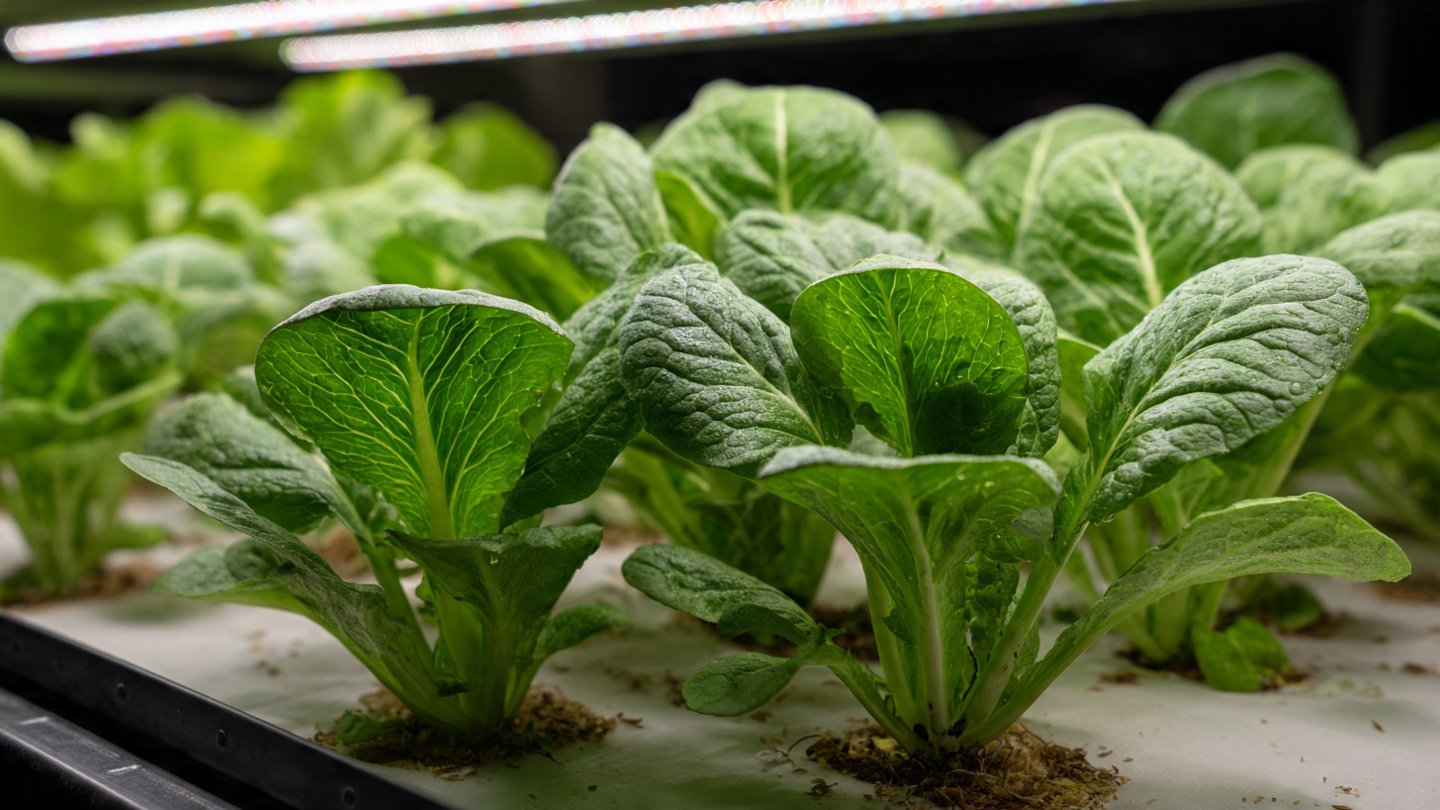
Growing escarole greens indoors can be a rewarding venture, especially for those with limited outdoor space. Escarole (Cichorium endivia) belongs to the chicory family and is lauded for its mildly bitter taste and tender leaves, making it a versatile addition to salads, soups, and cooked dishes. This guide will outline everything you need to know about cultivating escarole** indoors, along with tips to optimize growth in minimal space.
Understanding Escarole Greens
What Is Escarole?
Escarole is a leafy green that is often mistaken for other varieties of chicory. Its broad leaves are frilled and can range from a pale green to a deep, dark color. Nutritionally, escarole is high in vitamins A and K, making it a great addition to a balanced diet.
Why Grow Indoors?
-
Limited Space: Urban living often means space is at a premium. Growing indoors allows you to maximize small areas like windowsills or countertops.
-
Climate Control: Indoor gardening offers protection from harsh outdoor elements and pests, enabling a more controlled growing environment.
-
Convenience: Having fresh greens at your fingertips means you can easily incorporate them into your meals.
Getting Started: Materials Needed
Before embarking on your indoor escarole garden, gather the following materials:
-
Containers: Choose pots or containers that are at least 6-8 inches deep. You can use standard pots, window boxes, or even recycled containers (make sure to drill drainage holes).
-
Potting Soil: Use a high-quality, nutrient-rich potting mix designed for indoor plants. Look for soil that retains moisture while providing good drainage.
-
Seeds or Seedlings: You can start from seeds or purchase young plants from a nursery. Seed packets are often more economical.
-
Light Source: If you don’t have sufficient natural light (6-8 hours of direct sunlight), consider purchasing grow lights. Full-spectrum LED grow lights mimic sunlight and promote healthy growth.
-
Watering Can: A watering can with a spout will help you deliver water directly to the base of the plants without saturating the leaves.
-
Fertilizer: Choose a balanced, water-soluble fertilizer to support growth, particularly one that’s formulated for leafy greens.
-
Humidity Tray (optional): To maintain humidity, you may place your pots on a shallow tray filled with water and pebbles.
Steps to Grow Escarole Greens Indoors
Step 1: Choosing the Right Location
Pick a spot that receives plenty of indirect sunlight. A south-facing window is ideal. If you notice the leaves stretching towards the light, it’s a sign that they need more light or you need to rotate the pots for even growth.
Step 2: Preparing the Containers
Fill your containers with potting soil, leaving about an inch of space at the top. Lightly pack the soil to remove any air pockets, ensuring a solid base for your seeds.
Step 3: Sowing Seeds
-
Seed Depth: Plant escarole seeds about ¼ inch deep. Space the seeds 2-4 inches apart to allow for proper growth.
-
Thinning: If you’ve over-seeded, thin the seedlings once they’ve developed a few true leaves. Keep the strongest plants and remove the weaker ones.
Step 4: Watering
Water your escarole greens carefully. The goal is to keep the soil consistently moist but not waterlogged. Aim to water when the top inch of soil feels dry. If unsure, it’s better to underwater than overwater.
Step 5: Fertilizing
Use a balanced fertilizer every two to four weeks. Follow the manufacturer’s instructions for dilution rates to avoid nutrient burn. Fertilizing boosts growth, especially in nutrient-depleted soils.
Step 6: Harvesting
-
Timing: Escarole is ready for harvest in approximately 70-80 days from sowing seeds.
-
Methods: You can either cut the outer leaves, allowing the inner leaves to continue growing, or harvest the entire plant at once.
-
Frequency: Regular harvesting encourages bushier growth and a continuous supply of fresh greens.
Optimizing Indoor Conditions
Light
If natural light is scarce, invest in LED grow lights. Position them about 6-12 inches above the plants and keep them on for 12-16 hours a day.
Temperature
Escarole grows best in cooler temperatures between 60-70°F (15-21°C). Avoid placing them near heat sources or drafty windows.
Humidity
Indoor air can often be dry. To boost humidity, mist the plants occasionally or use a humidity tray with water and pebbles. This can mimic the conditions espoused in their native outdoor habitats.
Pest Control
While pests are typically fewer indoors, it’s still important to monitor for aphids, spider mites, or whiteflies. If detected, remove pests by rinsing the leaves under water or using insecticidal soap.
Troubleshooting Common Issues
Leggy Growth
If your escarole is leggy, it’s likely not receiving enough light. Move the plants closer to the light source or adjust your grow light settings.
Yellow Leaves
Yellow leaves might indicate overwatering or nutrient deficiencies. Check your watering schedule and consider fertilizing to replenish lost nutrients.
Slow Growth
Slow growth can result from several factors including inadequate light, too little moisture, or nutrient-poor soil. Evaluate your care regimen and make necessary adjustments.
Conclusion
Growing escarole greens indoors is a feasible task even for those with minimal space. By following the steps outlined above and optimizing conditions for growth, you can enjoy fresh, nutritious escarole right from your home. With its versatile culinary potential, you’ll find this leafy green to be a delightful addition to your meals.
FAQs
1. How long does it take to grow escarole indoors?
Escarole typically takes about 70-80 days to mature when grown from seeds. If you purchase seedlings, they may be ready for harvest sooner.
2. Can escarole be grown in small pots?
Yes, as long as the pots are at least 6-8 inches deep, escarole can thrive in small containers. Ensure good drainage to prevent root rot.
3. What is the ideal temperature for growing escarole?
Escarole prefers cooler temperatures around 60-70°F (15-21°C). Avoid exposing it to extreme heat.
4. How often should I water escarole greens?
Water your escarole greens when the top inch of the soil feels dry. On average, this could mean watering every 2-4 days, depending on your indoor environment.
5. Do escarole greens need direct sunlight?
While escarole likes plenty of light, direct sunlight can sometimes scorch the leaves. Aim for 6-8 hours of indirect sunlight, or use a grow light for optimal growth.
6. Can I grow escarole from kitchen scraps?
Unfortunately, escarole does not regrow from scraps as some greens do. It’s best to start with seeds or seedlings for optimal growth.
7. When is the best time to plant escarole seeds indoors?
You can start escarole seeds indoors about 4-6 weeks before the last expected frost for an early harvest. Alternatively, you can grow them year-round indoors.
By investing time and resources into your indoor escarole garden, you can not only enjoy fresh greens but also experience the satisfaction that comes from growing your own food. Happy gardening!