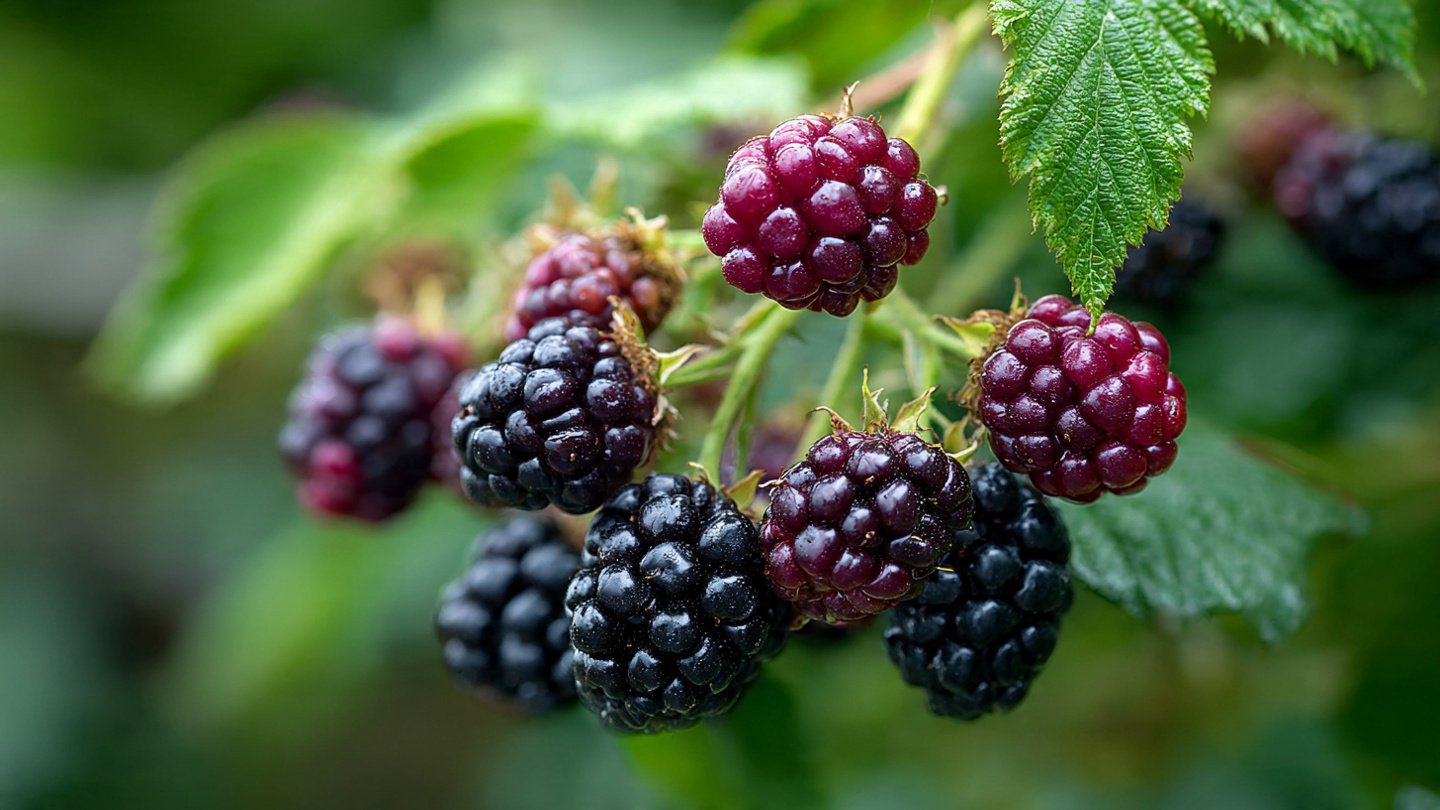
Blackberries are beloved by many for their sweet and tangy flavor, and growing them at home can provide a bountiful harvest of these delicious fruits. Hardy blackberry varieties are particularly popular for home gardening due to their resilience and ability to thrive in various climates. In this article, we will explore the essential steps to successfully grow hardy blackberry varieties at home, ensuring a sweet and juicy harvest each season.
Choosing the Right Hardy Blackberry Variety
Before diving into the growing process, it’s important to select a hardy blackberry variety that suits your climate and space. Some popular hardy varieties include:
-
Chester: Known for its large, sweet berries and thornless canes, Chester is well-suited to a variety of climates and is resistant to many diseases.
-
Black Satin: This semi-erect thorned variety is favored for its rich flavor and high yield. Black Satin can withstand cold winters.
-
Triple Crown: A thornless variety that produces huge berries, Triple Crown is known for its sweetness and adaptability to different soil types.
-
Navaho: Another thornless option, Navaho is perfect for home gardens as it requires less maintenance and yields delicious berries.
Understanding Your Growing Zone
Before settling on a variety, check your USDA Hardiness Zone. Hardy blackberries generally thrive in zones 5 to 9. Ensure that the chosen variety can tolerate the minimum temperatures in your area.
Preparing the Soil
Soil Type and Quality
Blackberries prefer well-draining, loamy soil enriched with organic matter. Conduct a soil test if you’re unsure about your soil’s pH and nutrient levels; ideally, blackberry plants prefer a slightly acidic to neutral pH (between 5.5 and 7.0).
Soil Preparation
-
Test the Soil: Use a DIY soil testing kit or send samples to a local agricultural extension office.
-
Amend the Soil: Based on the soil test results, amend your soil by adding compost, peat moss, or well-rotted manure to improve texture and nutrient content.
-
Tilling: Till the soil to a depth of about 12 inches to incorporate amendments and break up any hardpan.
Choosing the Right Location
Blackberries thrive in full sun, requiring at least 6–8 hours of sunlight daily. Select a location that provides good air circulation and is sheltered from strong winds to protect the plants during harsh weather.
Spacing and Layout
-
Row Spacing: If planting multiple rows, space the rows about 6-8 feet apart to allow for growth and air circulation.
-
Plant Spacing: Space individual plants about 3-4 feet apart within the row.
Planting Hardy Blackberries
When to Plant
The best time to plant blackberries is in early spring, after the last frost, or in the fall, 6-8 weeks before the first hard frost.
Planting Steps
-
Digging the Hole: Dig a hole that is twice the width of the root ball and as deep as needed to cover the roots without bending them.
-
Positioning the Plant: Place the blackberry plant carefully in the hole, ensuring that the roots spread out. The crown (where the stem meets the roots) should be level with the soil surface.
-
Backfilling: Fill in the hole with the original soil, firming it gently around the roots to eliminate air pockets.
-
Watering: Water the newly planted blackberry thoroughly to settle the soil and encourage root establishment.
Watering and Fertilizing
Watering Schedule
Blackberries require regular watering, especially in the first two years after planting. Aim for 1–2 inches of water per week, adjusting based on rain.
- Drip Irrigation: This method can help deliver consistent moisture directly to the roots, reducing the risk of foliage diseases.
Fertilization
-
Nitrogen Source: Use a balanced fertilizer in early spring before new growth appears. Typically, a 10-10-10 or similar fertilizer is ideal.
-
During Growth: Consider a second application in late spring or early summer, but avoid over-fertilizing, as excessive nitrogen can lead to lush foliage with fewer fruits.
Pruning and Training Hardy Blackberries
Proper pruning and training encourage healthy growth and high yields.
Pruning Techniques
-
Cane Types: Know the difference between floricanes (one-year-old canes that produce fruit) and primocanes (younger canes that are typically not fruiting yet).
-
Timing: Prune in late winter or early spring before new growth starts.
-
Methods:
- Floricane Pruning: Remove dead or damaged canes to promote better airflow and disease prevention.
- Primocane Pruning: Cutting back primocanes to about 4-5 feet promotes vertical growth and berry production in subsequent seasons.
Training Systems
Implement a trellis system to support the canes:
- Trellises: Use a trellis with two to three wires, spaced 12-18 inches apart, to encourage upright cane growth.
- Guarding: Use soft ties to secure the canes to the trellis without damaging the plant.
Pest and Disease Management
Maintaining a healthy blackberry plant is crucial. Here are common pests and diseases:
Pests
-
Spider Mites: Regular water sprays can reduce mite populations.
-
Japanese Beetles: Hand-pick or use neem oil as an organic pesticide.
Diseases
-
Powdery Mildew: Ensure good airflow around the plants and avoid excessive nitrogen use.
-
Crown Gall: Remove infected plants immediately and avoid planting in the same spot for a couple of years.
Harvesting Blackberries
When to Harvest
Blackberries are typically ready to harvest in mid to late summer. The berries should be fully black—if they are still red or purple, they need more time on the vine.
How to Harvest
-
Gentle Picking: Use your thumb and index finger to gently twist and pull the berry from the plant. Avoid squeezing to prevent bruising.
-
Timing: Harvest in the morning when temperatures are cooler to preserve fruit quality.
Storing and Enjoying Your Harvest
Fresh blackberries are best enjoyed raw, but they also make great jams, jellies, and desserts.
Storage Tips
- Refrigeration: Place fresh berries in a container lined with a paper towel for ventilation. Store in the refrigerator for up to a week.
- Freezing: Spread fresh blackberries on a baking sheet to freeze individually before transferring them to airtight freezer bags for long-term storage.
FAQs
1. Can I grow blackberries in containers?
Yes, hardy blackberry varieties can be grown in large containers if you ensure adequate drainage and provide support for the canes.
2. How do I prevent weeds in my blackberry garden?
Mulching with straw or wood chips can suppress weed growth and retain soil moisture.
3. Will blackberries survive winter?
Yes, many hardy blackberry varieties can survive winter, especially if they are mulched and protected.
4. How often should I prune my blackberries?
Prune blackberries annually in late winter or early spring to remove dead wood and promote new growth.
5. Do blackberries require pollination?
Most hardy blackberry varieties are self-pollinating, but planting multiple varieties can enhance yields.
Conclusion
Growing hardy blackberry varieties at home is a rewarding endeavor that can yield abundant, sweet, and juicy fruits. By choosing the right variety, carefully preparing your soil, watering effectively, managing pests, and pruning regularly, you can enjoy a successful blackberry harvest year after year. Whether you savor them fresh, make jam, or bake delicious desserts, home-grown blackberries are worth the effort. Happy gardening!