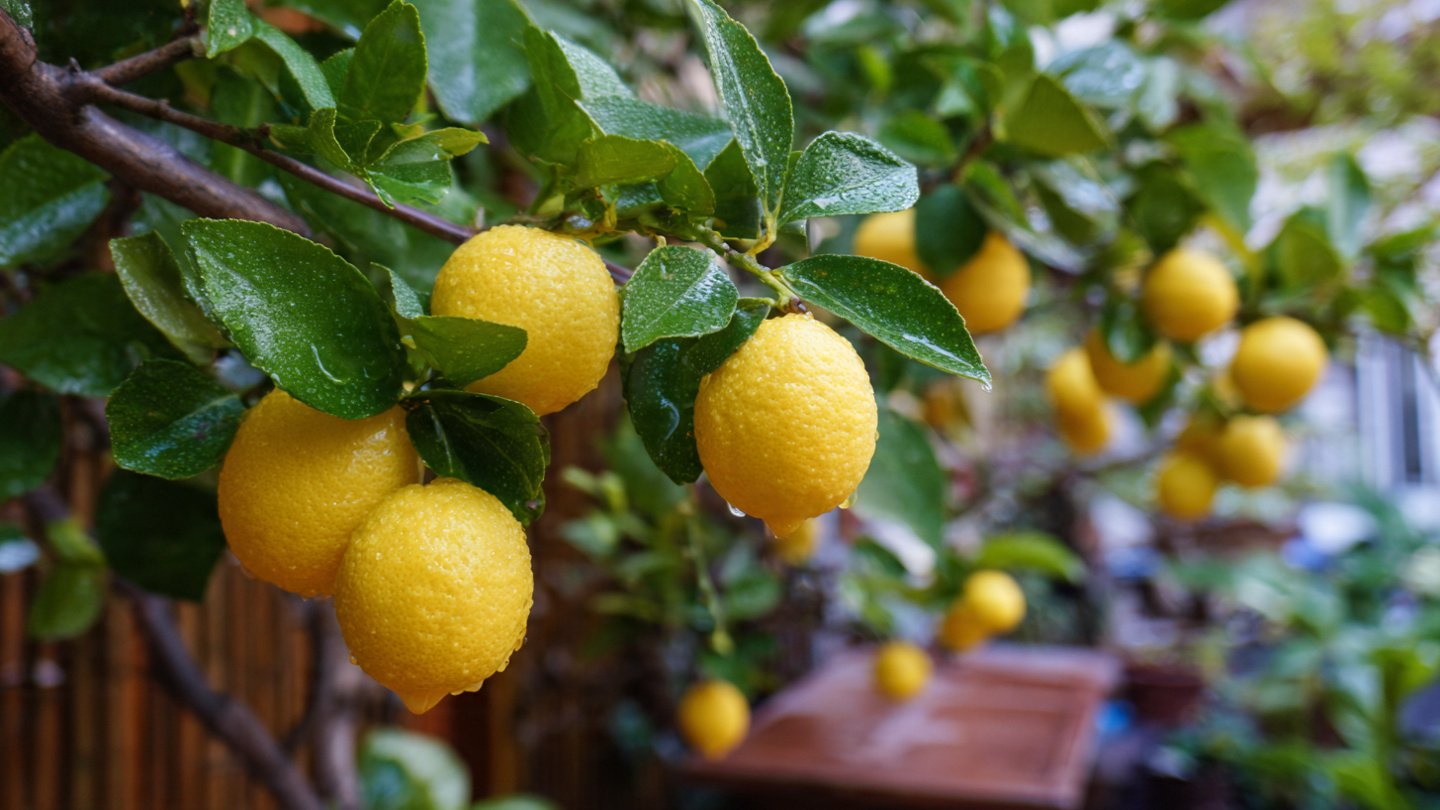
Meyer lemon trees, known for their sweet, fragrant fruit, are a favorite among home gardeners and culinary enthusiasts. With their elegant appearance and delightful flavor, these trees can thrive in various climates, making them a popular choice for both indoor and outdoor cultivation. With proper care, a Meyer lemon tree can yield a bountiful harvest, bringing the taste of fresh citrus right to your kitchen. This guide will walk you through each step of growing Meyer lemons at home, from selecting the right tree to harvesting.
1. Understanding Meyer Lemon Trees
Meyer lemons are a hybrid between a regular lemon and a mandarin orange. They are smaller, rounder, and less acidic than typical lemons, with a fragrant, smooth skin. Native to China, these trees can be grown in pots or in the ground, but they flourish best in warm, sunny conditions.
Why Choose Meyer Lemons?
- Flavor: Their sweetness makes them versatile for culinary use, from salads to desserts.
- Aesthetic Appeal: They produce lovely foliage and fragrant blossoms.
- Container Growth: Perfect for patios, balconies, and small gardens.
2. Selecting the Right Tree
When starting, it’s vital to choose a healthy Meyer lemon tree. Here are some factors to consider:
2.1. Where to Buy
- Local Nurseries: They often have mature trees suited for your local climate.
- Online Retailers: Ensure you buy from reputable sources that specialize in citrus trees.
2.2. Mature vs. Young Trees
While young trees are less expensive and easier to transport, mature trees will produce fruit sooner. Choose according to your patience and budget.
2.3. Disease Resistance
Look for trees that are resistant to common pests and diseases, such as leaf spot and scale insects.
3. Planting Meyer Lemon Trees
3.1. Location
- Sunlight: Meyer lemon trees require at least 8-10 hours of full sun each day. A south-facing spot is ideal.
- Protection: They need protection from strong winds and frost, which can damage young trees.
3.2. Soil Requirements
- pH Level: The ideal pH for Meyer lemon trees is between 5.5 and 6.5.
- Soil Type: Well-draining soil is crucial. Mix potting soil with sand to ensure proper drainage.
3.3. Planting Steps
- Choose a container or dig a hole (for in-ground planting) that is twice the size of the root ball.
- Add soil and mix with compost to provide nutrients.
- Place the tree in the hole at the same depth it was growing.
- Fill in with soil, leaving a slight mound around the base to allow for watering.
- Water thoroughly after planting.
4. Caring for Your Meyer Lemon Tree
4.1. Watering
- Frequency: Water your tree deeply once a week, adjusting based on rainfall and temperature. Indoor trees might need less frequent watering.
- Signs of Overwatering: Yellowing leaves and moldy soil indicate too much water.
4.2. Fertilizing
- Type of Fertilizer: Use a balanced, slow-release fertilizer with micronutrients.
- Schedule: Fertilize every 6-8 weeks during the growing season (spring to summer).
4.3. Pruning
- Purpose: Pruning helps maintain shape, removes dead or diseased wood, and encourages new growth.
- When to Prune: Late winter or early spring is the best time to prune before the growing season starts.
4.4. Pest Management
- Common Pests: Aphids, spider mites, and scale insects can target Meyer lemon trees.
- Control Methods: Use insecticidal soap or neem oil to manage infestations.
5. Harvesting Meyer Lemons
5.1. When to Harvest
- Timing: Meyer lemons typically take about 6-9 months to mature after flowering. Look for a bright yellow color with a slight orange hue.
- Ripeness Indicators: Firmness and the scent of the lemons indicate readiness.
5.2. How to Harvest
- Method: Use pruning shears to cut the fruit from the branch, leaving a small portion of the stem attached. This will help prolong shelf life.
6. Indoor vs. Outdoor Growing
6.1. Indoor Growing
- Light Requirements: Supplement natural light with grow lights if needed.
- Temperature Control: Ensure consistent temperatures between 65°F and 75°F.
6.2. Outdoor Growing
- Climate Considerations: Meyer lemon trees thrive in USDA zones 9-11. In colder climates, consider using pots to bring them indoors during winter.
7. Troubleshooting Common Issues
7.1. Leaf Yellowing
- Causes: Overwatering or nutrient deficiencies can cause yellow leaves. Adjust watering habits and consider soil testing.
7.2. Poor Fruit Production
- Potential Problems: Insufficient sunlight, improper fertilization, or pest damage can lead to reduced yield. Evaluate each factor and make necessary adjustments.
7.3. Flower Drop
- Reasons: Environmental stress, such as sudden temperature changes or lack of water, can cause premature flower drop. Maintain a stable environment for the plant.
FAQs
1. How long does it take for a Meyer lemon tree to produce fruit?
Meyer lemon trees typically take about 1-3 years to start producing fruit, depending on their age when purchased and growing conditions.
2. Can I grow a Meyer lemon tree indoors?
Yes! Meyer lemon trees thrive indoors in pots, provided they receive adequate sunlight and are in a warm location.
3. How often should I water my Meyer lemon tree?
Water deeply about once a week, allowing the top inch of soil to dry out between waterings. Adjust according to the environmental conditions.
4. What kind of fertilizer is best for Meyer lemon trees?
A balanced, slow-release fertilizer specifically formulated for citrus trees is best, applied during the growing season.
5. Can Meyer lemon trees survive cold temperatures?
Meyer lemon trees are sensitive to frost and should be protected in temperatures below 30°F. In colder climates, consider potting them for indoor overwintering.
6. How can I tell if my Meyer lemons are ripe?
Harvest lemons when they are fully yellow with a slight orange tint and feel firm yet slightly soft when squeezed.
7. Are Meyer lemons prone to any diseases?
Yes, they can be susceptible to issues like leaf spot, root rot, and scale. Regular monitoring and proper care can help mitigate these problems.
Conclusion
Growing Meyer lemon trees at home is a rewarding endeavor that can provide fresh fruit for years to come. By understanding their specific needs and providing the right conditions, you can harvest delicious, fragrant lemons directly from your garden or home. From selecting the right tree to troubleshooting issues, following this comprehensive guide will set you on the path to success. Enjoy the journey and the scrumptious results of your efforts!