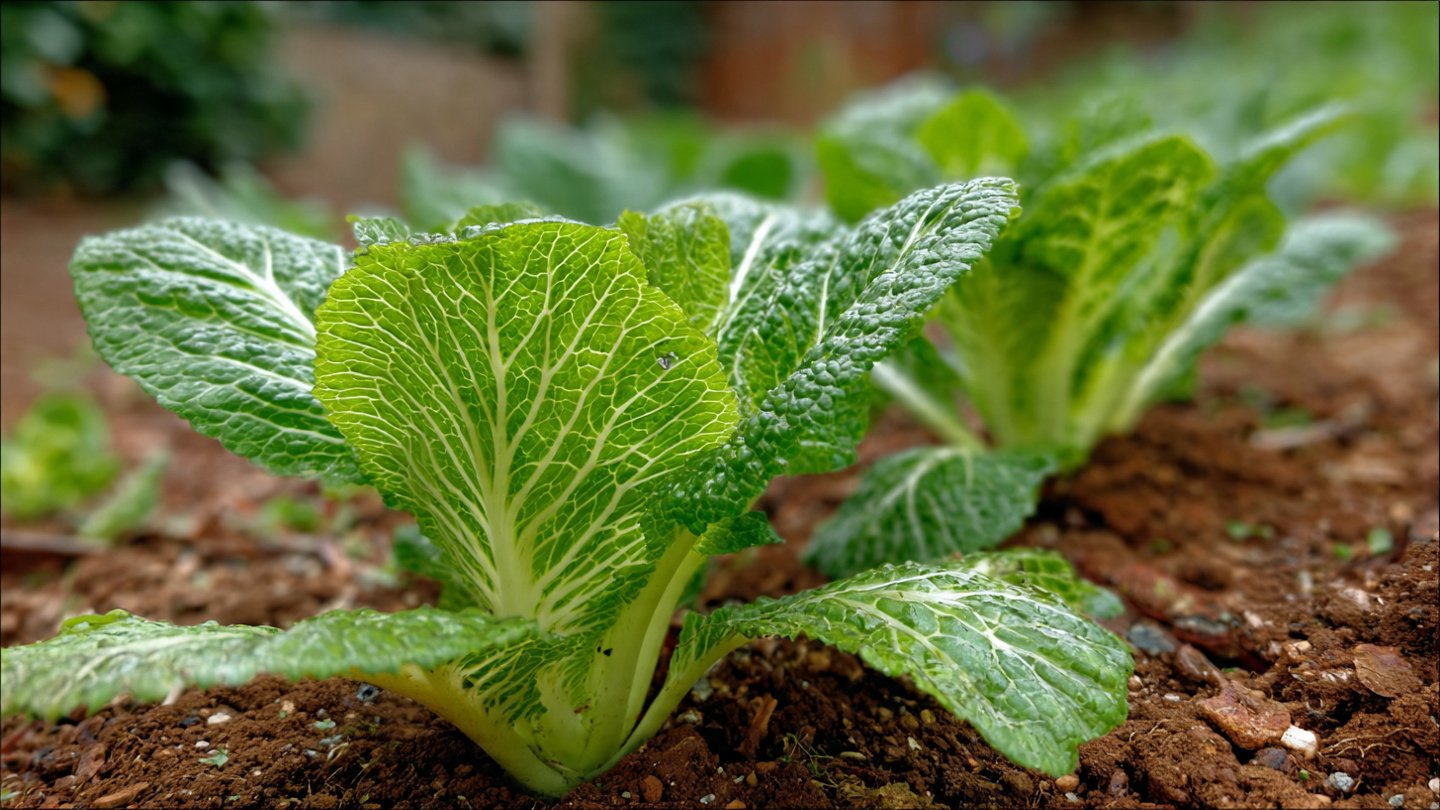
Napa cabbage, with its tender leaves and unique, mildly sweet flavor, is a cherished vegetable in many culinary traditions. It is particularly popular in Asian cuisines, where it is often used in dishes like kimchi, stir-fries, and salads. Not only does Napa cabbage add a fresh crunch to your meals, but it is also packed with nutrients, making it a fantastic addition to your home garden. In this article, we’ll explore how to grow Napa cabbage greens successfully, from selecting seeds to harvesting and utilizing the greens in your kitchen.
Understanding Napa Cabbage
Napa cabbage, also known as Chinese cabbage or Brassica rapa subsp. pekinensis, is a biennial leafy vegetable that thrives in cooler weather. Its light-green, crinkled leaves form tight, cylindrical heads that can grow to about 12-18 inches in height. The plants not only offer culinary benefits but also provide a wealth of vitamins and minerals, including vitamin C, vitamin K, folate, and dietary fiber.
Preparing to Grow Napa Cabbage
1. Choosing the Right Variety
There are several varieties of Napa cabbage, including:
- Pak Choi: Known for its dark green leaves and thick, white stalks.
- Napa Green: A more traditional variety with a rounded head and crisp texture.
- Tokyo Bekana: A loose-leaf variety that’s great for salads.
Choose a variety that suits your climate and culinary preferences, keeping in mind that some types grow better in specific environments.
2. Selecting the Right Location
Napa cabbage thrives best in full sun, so select a location in your garden that receives at least 6-8 hours of sunlight daily. Good drainage is essential, as standing water can cause root rot. Consider raising your garden beds or plotting your crops on sloped areas to improve drainage.
3. Soil Preparation
Napa cabbage prefers well-draining, rich soil with a pH level between 6.0 and 6.8. To ensure optimal growth, prep your soil by:
- Testing Soil pH: Use a soil testing kit and amend as necessary to achieve the desired pH level.
- Adding Organic Matter: Mix in compost or well-rotted manure to enhance soil fertility.
- Turning the Soil: Loosen the soil to a depth of around 12 inches to promote root expansion.
Planting Napa Cabbage
1. When to Plant
Napa cabbage is a cool-season crop, which means it grows best in spring and fall. Ideally, you can plant seeds 2-4 weeks before the last frost date in spring and 6-8 weeks before the first frost in fall.
2. Direct Seeding vs. Transplanting
You can either direct seed Napa cabbage in your garden or start seeds indoors for transplanting later. Here’s how:
- Direct Seeding: Sow seeds about 1/2 inch deep in rows spaced 18-24 inches apart. Thin seedlings to about 12 inches apart for adequate airflow and nutrient access.
- Transplanting: If starting indoors, plant seeds in seed trays 4-6 weeks before the last frost. Transplant seedlings when they have at least two sets of true leaves and can withstand outdoor conditions.
3. Watering
Napa cabbage requires consistent moisture, especially during its early growth stages. Aim to keep the soil evenly moist but not waterlogged. Consider using a drip irrigation system or soaker hoses to maintain consistent moisture levels without soaking the leaves, which can lead to disease.
Caring for Napa Cabbage Greens
1. Fertilization
Feed Napa cabbage with a balanced, all-purpose fertilizer every four weeks after planting. Look for fertilizers with a nitrogen, phosphorus, and potassium (NPK) ratio that supports leafy vegetable growth. Organic options are available, such as fish emulsion or compost tea.
2. Mulching
Apply a layer of organic mulch around the base of the plants to suppress weeds and retain soil moisture. Additionally, mulch helps to regulate soil temperature, which is beneficial for the delicate roots of Napa cabbage.
3. Pest Management
Keep an eye out for common pests that favor Napa cabbage, such as aphids, cabbage worms, and flea beetles. Here are some management strategies:
- Handpicking: For larger pests like caterpillars, manually remove them.
- Companion Planting: Planting garlic or marigold flowers nearby can deter pests.
- Insecticidal Soaps: Use organic insecticidal soaps or neem oil to manage infestations.
4. Disease Prevention
Napa cabbage is susceptible to diseases like downy mildew and black rot. To reduce the risk of disease:
- Air Circulation: Space plants adequately to allow air circulation, reducing humidity levels that promote disease.
- Crop Rotation: Avoid planting Napa cabbage in the same location year after year to disrupt disease cycles.
Harvesting Napa Cabbage Greens
Napa cabbage is ready to harvest when the heads feel firm, typically 70-90 days after planting. To harvest, use a sharp knife to cut the heads off at the base. You can also selectively harvest the outer leaves if you prefer to let the plant continue growing.
1. Post-Harvest Care
After harvesting, it’s best to use Napa cabbage greens fresh, but they can also be stored in the refrigerator for up to a week. To keep the leaves crisp, place them in a plastic bag or wrap them in a damp paper towel.
Culinary Uses for Napa Cabbage
The versatile Napa cabbage can be incorporated into various dishes:
- Kimchi: The fermented dish made with Napa cabbage and spices is an excellent source of probiotics.
- Stir-Fries: Quickly stir-frying Napa cabbage with garlic and protein makes for a delicious and healthy meal.
- Salads: Use fresh, shredded Napa cabbage in salads for a crunchy texture.
Napa cabbage greens can enhance the nutritional value of your meals while providing a fresh and flavorful addition to your diet.
FAQs
1. How long does it take for Napa cabbage to grow?
Napa cabbage generally takes 70-90 days from planting to harvest.
2. Can I grow Napa cabbage in containers?
Yes, Napa cabbage can be grown in containers, but use large pots with at least 5 gallons of soil for optimal growth.
3. How do I know when to harvest Napa cabbage?
Harvest when the heads feel firm to the touch. This typically occurs 70-90 days after planting.
4. What types of diseases affect Napa cabbage?
Napa cabbage is susceptible to diseases like downy mildew, black rot, and various fungal infections.
5. Can I save seeds from Napa cabbage?
Yes, Napa cabbage is biennial and can produce seeds in its second year. However, ensure proper isolation from other cabbage varieties to maintain purity.
6. Does Napa cabbage need a lot of water?
Napa cabbage needs consistent moisture, especially during early growth but does not thrive in waterlogged soil.
7. What are the pest issues associated with Napa cabbage?
Common pests include aphids, flea beetles, and cabbage worms. Regular monitoring and preventative measures can help mitigate infestations.
8. Is Napa cabbage frost-tolerant?
While Napa cabbage prefers cool weather, it can tolerate light frosts. However, extreme cold can damage the plants.
Growing Napa cabbage in your home garden can be a rewarding experience, providing both culinary delights and health benefits. By following the steps outlined above, you can ensure a successful harvest of this nutritious green, enriching your table with fresh flavors all season long. Happy gardening!