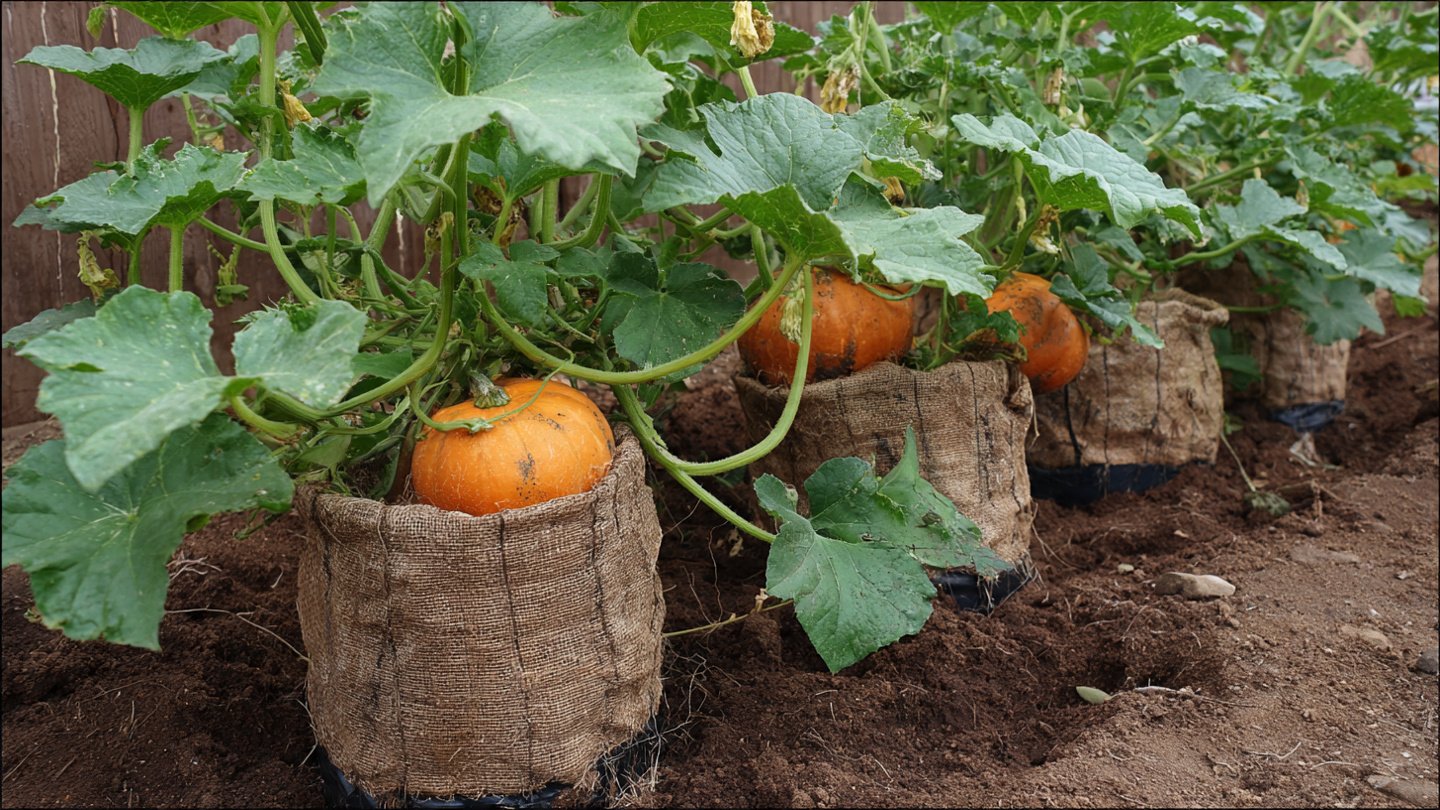
Growing pumpkins is an incredibly rewarding endeavor, especially when done in grow bags. Whether you have limited garden space, poor soil quality, or prefer a more manageable growing system, grow bags offer a flexible and efficient solution. Pumpkins thrive in warm, nutrient-rich environments, and with the right care, you can enjoy a bountiful harvest right from your backyard or balcony. This article will guide you through the essential steps and tips on how to successfully grow pumpkin vines in grow bags for a thriving and fruitful crop.
Why Choose Grow Bags for Pumpkins?
Grow bags are a popular alternative to traditional garden beds and pots. Made from breathable fabric material, they provide excellent drainage and aeration, essential for healthy root development. Here are some benefits of using grow bags for pumpkins:
- Improved Soil Aeration: The fabric allows air to circulate to the roots, preventing waterlogging and root rot.
- Controlled Environment: You can control the soil quality and nutrient content, reducing the risk of soil-borne diseases.
- Mobility: Grow bags are portable, making it easy to relocate plants to maximize sunlight exposure or protect them from harsh weather.
- Space Efficiency: Ideal for small spaces such as patios, balconies, or urban gardens.
Selecting the Right Grow Bag Size
Pumpkin plants require ample space for root expansion and vine growth. Using a grow bag that is too small will limit their potential. For pumpkins, a grow bag with a capacity of at least 15 to 20 gallons (approximately 60 to 80 liters) is recommended. Larger bags provide enough room for root growth and prevent frequent drying out of the soil.
Ensure the grow bag has good drainage holes at the bottom to avoid water stagnation, which can cause root diseases.
Choosing the Pumpkin Variety
Pumpkins come in various sizes, shapes, and purposes—from small ornamental varieties to large carving or cooking pumpkins. When growing in grow bags, consider choosing smaller or bush-type pumpkin varieties that are better suited for confined spaces. Some popular varieties for container growing include:
- ‘Bushkin’
- ‘Small Sugar’
- ‘Jack Be Little’
- ‘Miniature White’
These varieties have compact vine growth, making them ideal for grow bags.
Preparing the Growing Medium
A nutrient-rich and well-draining growing medium is crucial for healthy pumpkin plants. You can either purchase a high-quality potting mix or create your own blend. A good growing medium for pumpkins in grow bags should have:
- Good drainage: To prevent waterlogging.
- High organic matter content: For nutrient supply and moisture retention.
- Aeration: To allow roots to breathe.
DIY Potting Mix Recipe for Pumpkins in Grow Bags:
- 40% Garden soil (well-rotted and sieved)
- 30% Compost or well-aged manure
- 20% Coco peat or peat moss (for water retention)
- 10% Perlite or vermiculite (for aeration)
Mix these components thoroughly before filling the grow bags.
Planting Pumpkin Seeds or Seedlings
Starting Seeds:
- Fill your grow bags with the prepared potting mix, leaving about 2 inches from the top.
- Sow 2 to 3 pumpkin seeds about 1 inch deep in each grow bag.
- Water gently but thoroughly.
- Keep the grow bags in a warm spot (70-85°F or 21-29°C) with ample sunlight.
- Seeds typically germinate within 7-10 days.
- Once seedlings emerge, thin to one strong plant per grow bag by snipping off weaker seedlings at soil level.
Transplanting Seedlings:
If starting seeds indoors or buying seedlings:
- Harden off seedlings by exposing them gradually to outdoor conditions for about a week.
- Transplant one healthy seedling per grow bag.
- Water well after transplanting.
Positioning and Sunlight Requirements
Pumpkins require full sun exposure for at least 6-8 hours daily. Position grow bags in a sunny part of your garden, balcony, or patio. Ensure the site is sheltered from strong winds, which can damage the vines.
If sunlight is limited, consider using reflective materials or supplemental grow lights to boost growth.
Watering and Moisture Management
Consistent moisture is critical for pumpkin development, especially during flowering and fruit setting. However, pumpkins don’t like waterlogged roots. Follow these watering guidelines:
- Water deeply once or twice a week, depending on weather and soil moisture.
- Check soil moisture regularly by inserting your finger about 2 inches deep; if dry, water.
- Water at the base of the plant to avoid wetting foliage, which can lead to fungal diseases.
- Mulch the soil surface in the grow bag with straw or shredded leaves to retain moisture and regulate soil temperature.
Fertilization and Nutrient Management
Pumpkins are heavy feeders and benefit from regular fertilization to ensure vigorous growth and abundant fruiting.
Fertilizing Tips:
- At planting time, mix a balanced granular fertilizer (e.g., 10-10-10 NPK) into the soil.
- Once the plant is established, apply a high-nitrogen fertilizer during the early growth phase to encourage leafy growth.
- When flowering begins, switch to a fertilizer higher in phosphorus and potassium (e.g., 5-10-10) to promote flower and fruit development.
- Use liquid fertilizers every 2-3 weeks or as per label instructions.
Organic options like fish emulsion, seaweed extract, or compost tea also work well.
Training and Supporting Pumpkin Vines
Pumpkin vines can grow quite long and sprawling, especially in a limited space. You can train and manage them in the following ways:
- Allow vines to trail out from the grow bag across the ground or patio.
- Use trellises or netting to support the vines vertically, saving space and reducing pest issues.
- Pinch or prune vines when they get too long to encourage bushier growth and more fruit production.
- Remove any dead or yellowing leaves to maintain plant health.
Pollination and Fruit Set
Pumpkins have separate male and female flowers on the same plant. Pollination by bees or other insects is necessary for fruit to develop.
To improve pollination:
- Attract pollinators by planting companion flowers like marigolds, sunflowers, or nasturtiums nearby.
- If natural pollinators are scarce, hand-pollinate by transferring pollen from male flowers to female flowers using a small brush or cotton swab.
Pest and Disease Management
Growing pumpkins in grow bags helps reduce soil-borne diseases, but pests and fungal infections can still be problematic.
Common Pests:
- Squash bugs
- Cucumber beetles
- Aphids
- Vine borers
Control Measures:
- Regularly inspect plants for pests.
- Use insecticidal soap or neem oil as needed.
- Remove affected leaves or vines promptly.
- Use row covers early in the season to protect young plants.
Diseases:
- Powdery mildew
- Downy mildew
- Fusarium wilt
Prevent diseases by ensuring good air circulation, watering at the base, and avoiding overhead watering.
Harvesting Pumpkins
Pumpkins are usually ready to harvest 90-120 days after planting, depending on the variety. Signs that your pumpkins are ripe and ready include:
- The pumpkin’s skin turns hard and resists puncture by a fingernail.
- The color has deepened to the typical mature shade.
- The vine attached to the pumpkin starts to dry and die back.
Use a sharp knife or garden shears to cut pumpkins from the vine, leaving a few inches of stem attached to prolong storage life.
Storing Your Harvest
After harvesting, cure your pumpkins by placing them in a warm, dry, and well-ventilated spot for about 10 days. This process toughens the skin and improves storage.
Store pumpkins in a cool, dry place away from direct sunlight and check periodically for signs of decay.
Conclusion
Growing pumpkin vines in grow bags is a practical and rewarding way to enjoy this beloved fall crop, especially for gardeners with limited space or challenging soil conditions. By selecting the right variety, using quality soil, providing adequate sunlight, water, and nutrients, and managing pests thoughtfully, you can cultivate healthy plants that reward you with a bountiful harvest.
Follow these guidelines, and you’ll be well on your way to growing robust pumpkin vines and enjoying fresh, homegrown pumpkins directly from your grow bags. Happy gardening!