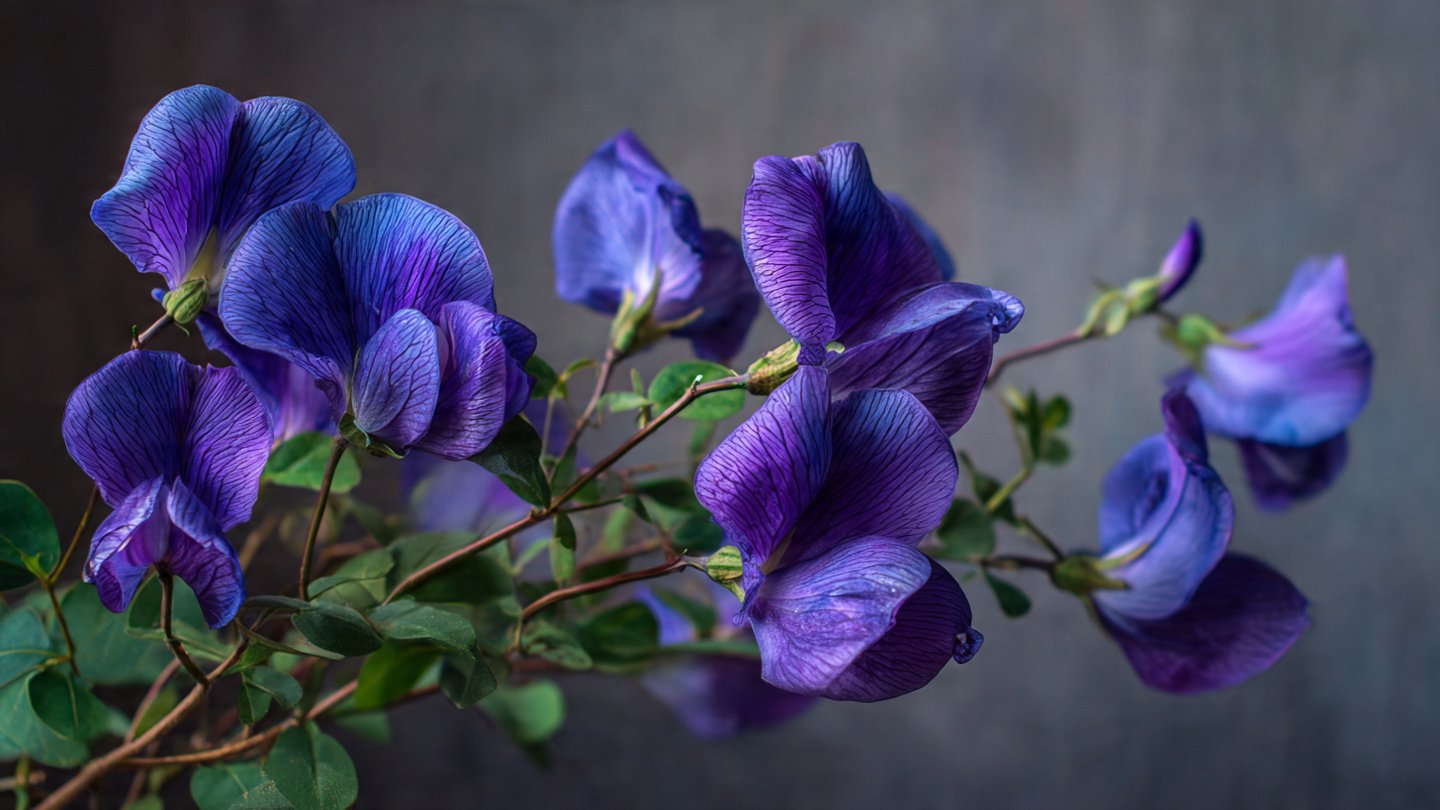
Butterfly pea (Clitoria ternatea) is a stunning flowering plant known for its striking blue flowers and multiple health benefits. Native to Southeast Asia, this plant has gained popularity worldwide for its beautiful blooms and its use in herbal teas and culinary applications. Growing butterfly pea indoors is not only possible but can be rewarding with the right techniques. This article will guide you through the best methods to cultivate butterfly pea indoors, ensuring you enjoy both the aesthetic and nutritive benefits of this remarkable plant.
Understanding Butterfly Pea
Before diving into the cultivation process, it’s essential to understand what butterfly pea is. The plant is a perennial vine belonging to the Fabaceae family. In addition to its stunning blue flowers, butterfly pea is renowned for its ability to change colors when mixed with acidic or basic substances. It is commonly used to make vibrant teas, juices, and cocktails.
Benefits of Growing Butterfly Pea Indoors
- Aesthetic Appeal: The vivid blue flowers can brighten any indoor space.
- Herbal Uses: The flowers are rich in antioxidants and have many health benefits.
- Air Purification: Like many houseplants, butterfly pea can help improve indoor air quality.
- Culinary Uses: The flowers can be used in various dishes, enhancing both flavor and presentation.
Selecting the Right Container
Container Size
To grow butterfly pea successfully indoors, start by selecting the right container. Choose a pot that is at least 12 inches in diameter. This size will provide enough space for the roots to grow and thrive.
Drainage
Ensure that the container has drainage holes at the bottom. This is crucial to prevent water from accumulating and causing root rot. Adding a layer of gravel or stones at the bottom of the pot can improve drainage further.
Soil Requirements
Soil Type
Butterfly pea thrives in well-draining soil. A mix of potting soil combined with perlite or coarse sand is ideal. This combination allows for good aeration and drainage while retaining some moisture.
Soil pH
The ideal soil pH for butterfly pea ranges from 6.0 to 7.0. You can test your soil’s pH using a home testing kit. If the soil is too acidic, you can add lime to raise the pH or incorporate sulfur to lower it.
Light Requirements
Ideal Lighting Conditions
Butterfly pea plants thrive in bright, indirect sunlight. When growing indoors, placing the pot near a south-facing window is best. If natural light is limited, consider using grow lights that provide a spectrum suitable for plant growth.
Duration of Light Exposure
Aim for at least 12-16 hours of light each day. If using artificial grow lights, position them a few inches above the plant and use a timer to ensure consistent light exposure.
Temperature and Humidity
Optimal Temperature Range
Butterfly pea prefers warm temperatures between 70°F to 85°F (21°C to 29°C). It’s crucial to avoid extreme temperature fluctuations, as this can stress the plant and hinder its growth.
Humidity Levels
This plant enjoys moderate to high humidity levels. To maintain adequate humidity indoors, consider using a humidifier or placing a tray of water near the plant. Misting the leaves occasionally can also help.
Watering Practices
Watering Frequency
Regularly check the soil moisture by inserting your finger about an inch into the soil. If it feels dry, it’s time to water. Typically, butterfly pea prefers its soil to be kept consistently moist but not waterlogged. In general:
- Spring/Summer: Water every 2-3 days.
- Fall/Winter: Reduce watering to once a week.
Water Quality
Use room temperature, filtered, or distilled water to avoid chemicals found in tap water that may be harmful to the plant.
Fertilization
Choosing the Right Fertilizer
Use a balanced liquid fertilizer with an N-P-K ratio of 10-10-10 or similar during the growing season (spring and summer). Organic options, such as fish emulsion or seaweed extract, are also beneficial.
Feeding Schedule
Fertilize every 4-6 weeks during the growing season. Be cautious not to over-fertilize, as this can harm the plant. In the fall and winter, reduce or eliminate fertilizer applications.
Pruning and Training
Pruning Techniques
Regular pruning promotes bushier growth and encourages more blooms. Trim the tips of the vines every few weeks to encourage lateral branch development.
Training the Vines
Butterfly pea is a climbing plant, so it benefits from support. Use trellises, stakes, or strings to guide the vines’ growth upward. Train the stems gently as they grow.
Pest and Disease Management
Common Pests
Watch for common indoor pests like aphids, spider mites, and whiteflies. You can manage these pests using insecticidal soap or neem oil. Regularly checking the undersides of leaves can help catch infestations early.
Disease Prevention
Prevent fungal diseases by ensuring good airflow around the plant and avoiding overhead watering. If you notice any signs of disease, such as yellowing leaves or wilting, remove affected areas promptly.
Harvesting Butterfly Pea Flowers
Harvest Timing
Once your butterfly pea plant starts producing blooms, you can begin harvesting the flowers. Pick the flowers in the morning when they are fresh and vibrant. Regular harvesting encourages more blooms.
How to Harvest
Gently pinch or cut the flower stems, avoiding damage to the plant. Harvest only a few flowers at a time to minimize stress on the plant.
Utilizing Butterfly Pea Flowers
Culinary Uses
Butterfly pea flowers can be used in a variety of culinary applications:
- Tea: Steep the flowers in hot water for a calming blue tea. You can add lemon to see the color change to pink.
- Cocktails: Use the flowers to create stunning cocktails and beverages.
- Food Coloring: Incorporate them into rice or desserts for natural food coloring.
Health Benefits
The flowers are rich in antioxidants and are believed to have anti-inflammatory and anti-anxiety properties. Incorporating butterfly pea tea into your diet can promote overall health and well-being.
Troubleshooting Common Issues
Yellowing Leaves
If the leaves turn yellow, it could be a sign of overwatering or nutrient deficiency. Adjust your watering schedule and consider fertilizing if you suspect a nutrient issue.
Wilting Flowers
Wilting can indicate underwatering or excessive heat. Ensure consistent watering and that the plant is in an appropriate temperature range.
Conclusion
Growing butterfly pea indoors can be a delightful endeavor, enhancing your living space with beauty while providing culinary and health benefits. By following the guidelines in this article, you can ensure that your indoor butterfly pea plant flourishes, allowing you to enjoy its vibrant blooms and myriad uses. With patience and care, you’ll find that cultivating butterfly pea is not just a gardening project but a rewarding venture that brings joy to your daily life. Happy gardening!