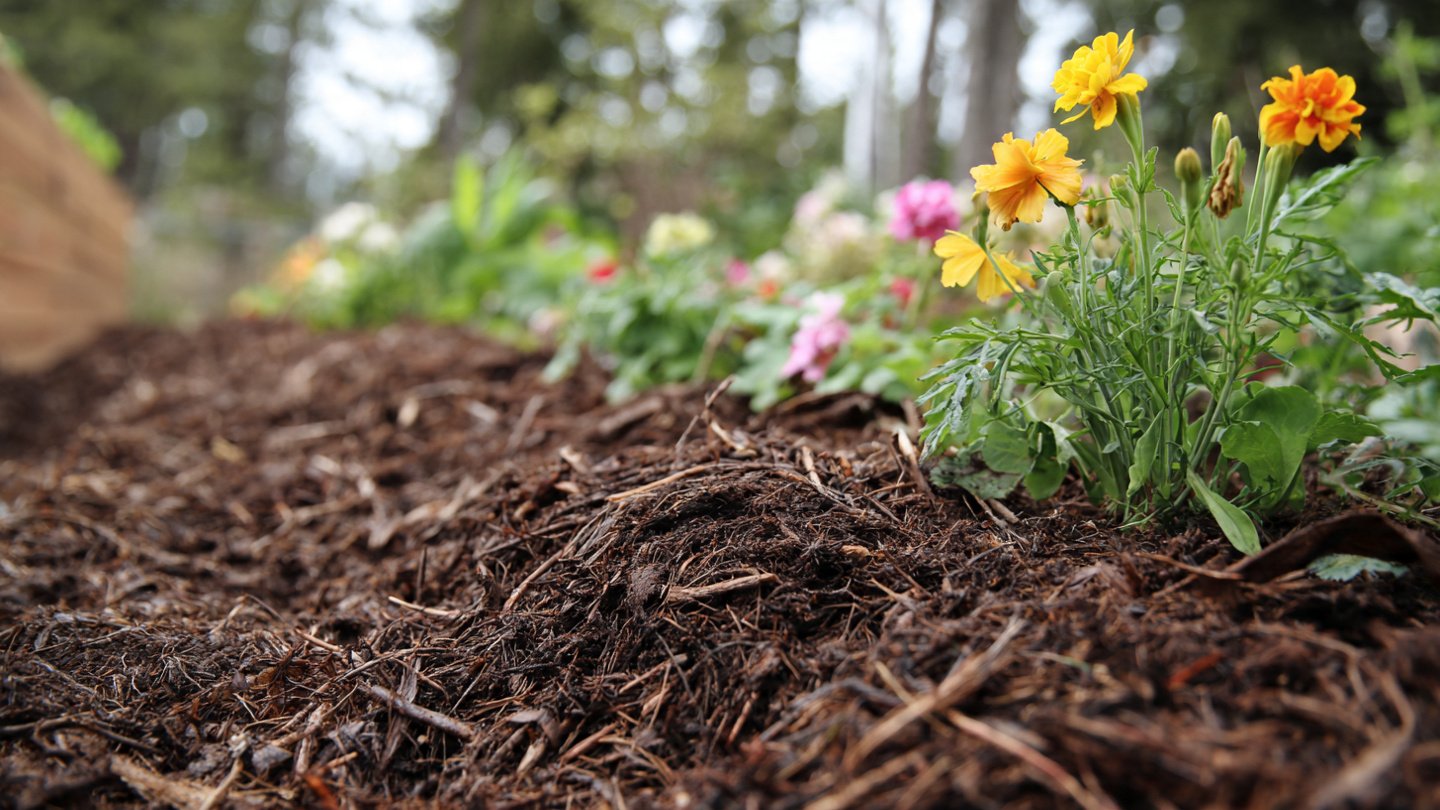
Composting is a natural process of recycling organic matter, such as food scraps and yard waste, into a valuable soil amendment known as compost. This practice not only reduces landfill waste but also enriches the soil, promotes plant growth, and supports sustainable gardening. To achieve the best results from composting, one essential practice stands out: regularly turning the compost pile. In this article, we will delve into the importance of this practice, exploring its benefits, methods, and best practices for optimal composting.
Understanding Composting
Before discussing the turning of compost, it’s vital to understand what composting entails. Composting is a decomposition process facilitated by microorganisms, fungi, and other organisms that break down organic materials. The composting process can be aerobic, meaning it occurs in the presence of oxygen, or anaerobic, happening in environments lacking oxygen. Aerobic composting is usually more efficient and produces high-quality compost.
The Composting Process
The composting process can be broken down into several stages:
- Preparation: This includes gathering materials such as kitchen scraps (vegetable peels, coffee grounds), yard waste (leaves, grass clippings, small branches), and other organic matter (cardboard, paper).
- Decomposition: Microbial action begins, using oxygen and moisture to break down the materials. The temperature of the compost pile will rise as microbes generate heat.
- Maturation: As the composting process continues, microorganisms consume the organic materials, leading to a reduction in volume. The compost pile begins to cool down, indicating that the active decomposition phase is ending.
- Curing: The final phase involves letting the compost rest, allowing beneficial microorganisms to stabilize the compost.
The Role of Turning Compost
Turning the compost pile involves mixing or aerating it to break apart clumps, promote microbial activity, and introduce oxygen. This step is crucial for several reasons:
1. Aeration and Oxygen Supply
One of the primary reasons for regularly turning compost is to ensure adequate aeration. Aerobic microbes thrive in oxygen-rich environments; therefore, by turning the pile, you increase the oxygen supply. Aeration speeds up the decomposition process and helps to generate the high temperatures necessary for breaking down materials effectively.
2. Temperature Regulation
A well-aerated compost pile produces heat, creating an optimal environment for thermophilic bacteria, which are crucial for breaking down challenging materials like meat, dairy, and fibrous plant matter. Regularly turning the pile helps to distribute heat evenly throughout the compost, preventing hot spots that can lead to uneven decomposition or, worse, spontaneously combusting materials due to overheating.
3. Moisture Management
Turning the compost can also help regulate moisture levels. Dry compost can hamper microbial activity, while overly wet compost may lead to anaerobic conditions and unpleasant odors. By turning it, one can assess the moisture content and adjust as necessary (adding water or dry materials) to maintain an optimal environment.
4. Mixing Materials
In a compost pile, some materials break down faster than others. Regularly turning the pile ensures that materials mix thoroughly, promoting uniform decomposition. For example, dry leaves may need to be mixed with nitrogen-rich materials like grass clippings or kitchen scraps to create a balanced carbon-to-nitrogen ratio that enhances the composting process.
5. Reducing Odors and Pests
A well-aerated and actively turned compost pile is less likely to produce foul odors or attract pests. Odors typically develop in anaerobic conditions, where bacteria break down materials without sufficient oxygen. By turning the pile regularly and maintaining an aerobic environment, unpleasant smells can be minimized, making composting a more pleasant experience.
6. Enhancing Microbial Diversity
Turning the compost pile helps promote a diverse range of microbes. Each time the materials are mixed, new bacteria and fungi have the opportunity to colonize the compost, contributing to a richer microbial community that can enhance the breakdown of organic matter. This diversity is crucial for the overall health of the compost and can lead to a nutrient-dense final product.
Best Practices for Turning Compost
To ensure optimal results, consider the following best practices for turning compost:
1. Frequency of Turning
Regular turning is vital, but how often should you turn your compost? Generally, aim to turn the pile every 1-2 weeks. This frequency allows you to maintain heat and aeration without disrupting the decomposing process excessively. If you notice the pile cooling down or compacting, it’s a sign that it’s time to turn it.
2. Proper Tools
Use the right tools for turning waste effectively. A pitchfork, shovel, or compost aerator can make the process easier. These tools allow you to break up clumps and blend materials without compacting the compost further.
3. Observing Conditions
Keep an eye on the compost pile’s temperature, moisture, and composition. If the pile is too dry, add water gradually while turning. If it’s too wet, incorporate dryer materials like shredded newspaper or dry leaves to absorb excess moisture.
4. Layering Materials
When adding new materials to the pile, layer them. Alternate between green materials (rich in nitrogen) and brown materials (rich in carbon) to create the ideal carbon-to-nitrogen ratio of about 30:1. This balance promotes efficient decomposition.
5. Monitoring Activity
Pay attention to the activity level within the compost pile. If you notice little microbial activity (e.g., minimal heat or slower decomposition), it may be time to turn more frequently or adjust your moisture levels.
6. Using Compost Thermometers
For those serious about composting, investing in a compost thermometer can be helpful. Monitoring the temperature helps determine when to turn the pile for optimal microorganisms’ activity. Ideally, temperatures should reach between 130°F to 160°F if the compost is composting efficiently.
Conclusion
Turning the compost pile is more than just a chore; it’s a critical component that significantly impacts the quality and efficacy of the composting process. Regular turning promotes aeration, maintains optimal temperatures, manages moisture, and enhances microbial diversity—ultimately leading to high-quality compost that can significantly improve soil health and plant growth. By following best practices and maintaining vigilance over the composting conditions, gardeners and composters can enjoy the myriad benefits of composting while promoting a more sustainable approach to organic waste management. Whether you’re a novice or an experienced composter, understanding the importance of regularly turning compost is a key step toward successful composting that yields nutrient-rich, finely aged compost.