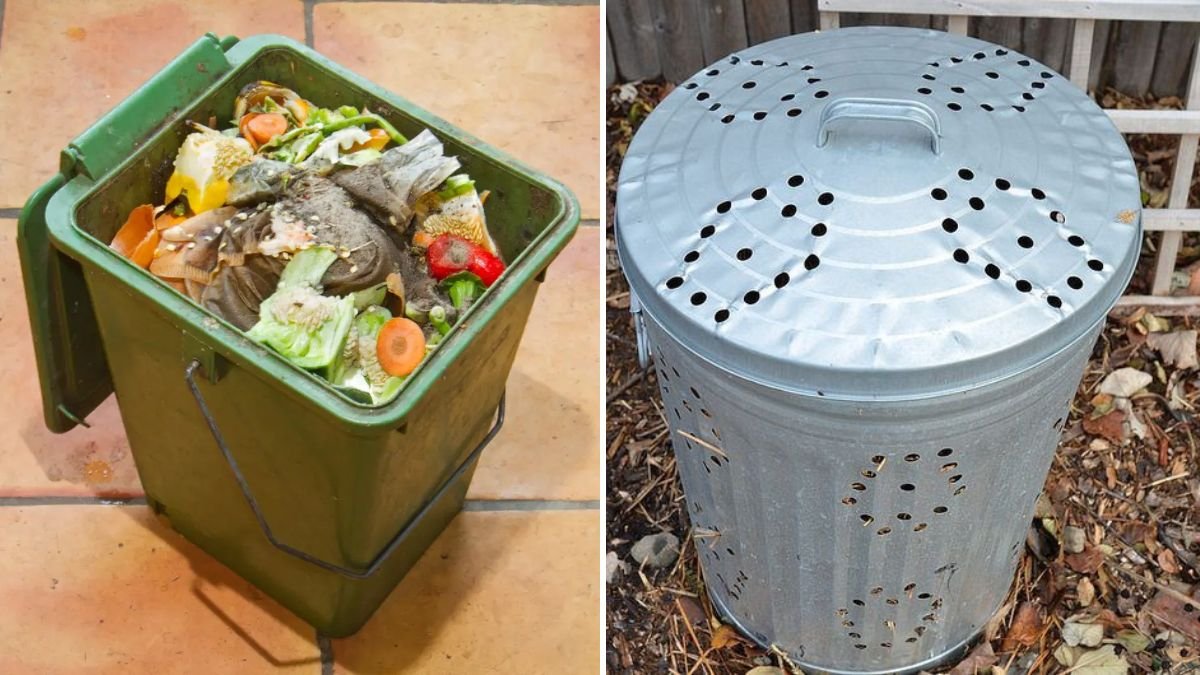
Composting is the natural process of turning organic waste into nutrient-rich soil. An improvised compost bin allows anyone to compost without expensive equipment. It uses everyday materials already available at home. Kitchen waste and garden scraps can be recycled easily. This method reduces household waste significantly. Compost improves soil health naturally. Improvised composting suits apartments and small spaces. It is affordable and beginner-friendly. Anyone can start composting today.
Why an Improvised Compost Bin Is Useful
Improvised compost bins save money and resources. They reduce landfill waste and odors. Composting lowers the need for chemical fertilizers. It enriches soil structure and fertility. Homemade bins fit any available space. They encourage sustainable living habits. Compost improves plant growth naturally. Waste recycling benefits the environment. Improvised bins are easy to customize. They make gardening more eco-friendly.
Best Materials for an Improvised Compost Bin
Many household items work as compost bins. Plastic buckets are commonly used. Old storage boxes are suitable. Broken drums can be repurposed. Wooden crates allow airflow. Cardboard boxes work temporarily. Terracotta pots can be used outdoors. Mesh baskets improve aeration. Choosing the right material depends on space. Recycling materials supports sustainability.
Choosing the Right Location
Compost bins need proper placement. Outdoor bins should be shaded. Avoid direct heavy rainfall areas. Indoor bins require ventilation. Balconies work well for small bins. Kitchens suit countertop composters. Avoid placing near bedrooms. Proper location prevents odor issues. Easy access encourages regular use. Placement affects composting speed.
Preparing the Improvised Compost Bin
Clean the container thoroughly before use. Drill small holes for airflow. Ensure drainage holes at the bottom. Elevate the bin slightly if possible. Add a tray underneath if indoors. Line with dry leaves initially. Proper preparation prevents waterlogging. Aeration speeds decomposition. Secure the lid loosely. Preparation ensures efficient composting.
Understanding Green and Brown Waste
Compost requires balanced materials. Green waste includes kitchen scraps. Brown waste includes dry leaves. Balance prevents bad odors. Too much green causes smell. Too much brown slows composting. Vegetable peels are ideal greens. Paper and cardboard are browns. Balance improves decomposition. Understanding this is essential. Proper mix ensures success.
What Kitchen Waste Can Be Added
Vegetable peels compost easily. Fruit scraps decompose quickly. Tea leaves and coffee grounds are excellent. Eggshells can be added crushed. Avoid oily foods. Cooked food attracts pests. Citrus peels should be limited. Onion skins are acceptable. Plant trimmings work well. Proper selection prevents issues.
What Not to Put in Compost
Avoid meat and fish scraps. Dairy products cause odors. Oily foods slow composting. Plastic and glass are unsuitable. Diseased plants should be avoided. Pet waste is unsafe. Large bones do not decompose well. Chemicals harm microbes. Non-organic items spoil compost. Careful selection is important.
Layering the Compost Correctly
Start with dry materials at the bottom. Add green waste evenly. Cover greens with browns. Keep layers thin. This prevents odor formation. Proper layering aids airflow. Alternate materials regularly. Moisture should be balanced. Layering speeds decomposition. Good structure ensures success.
Moisture Control in Composting
Compost should feel like a damp sponge. Too wet causes rot. Too dry slows breakdown. Sprinkle water if dry. Add dry leaves if wet. Indoor bins need careful moisture control. Drain excess water promptly. Proper moisture supports microbes. Balance is crucial. Monitor regularly.
Turning and Aerating Compost
Turning compost adds oxygen. Oxygen speeds decomposition. Use a stick or shovel. Turn once a week. Small bins may need gentle mixing. Aeration prevents foul smell. It distributes moisture evenly. Turning encourages beneficial microbes. Regular aeration improves quality. Simple effort gives big results.
Managing Odor Naturally
Odor indicates imbalance. Add brown waste to reduce smell. Avoid excess kitchen scraps. Ensure airflow holes remain open. Stir compost if odor appears. Keep bin covered loosely. Use charcoal powder if needed. Odor control keeps compost pleasant. Proper balance prevents issues. Clean surroundings help.
Time Required for Compost Formation
Improvised compost takes time. Small bins compost faster. Warm weather accelerates breakdown. Regular turning reduces time. Compost forms in two to three months. Texture becomes dark and crumbly. Smell becomes earthy. Patience is required. Time varies by material. Natural process rewards consistency.
Signs Compost Is Ready
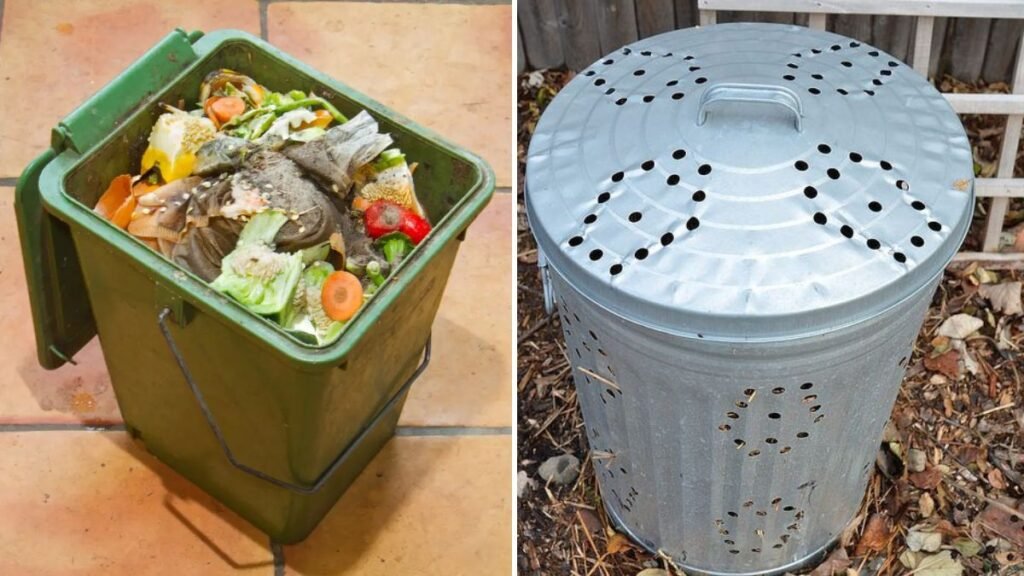
Finished compost is dark brown. It smells like soil. No recognizable waste remains. Texture is crumbly. It feels lightweight. Temperature cools down. No foul odor exists. Ready compost is nutrient-rich. Plants respond well to it. These signs confirm readiness.
Using Compost in the Garden
Compost improves soil fertility. Mix into garden beds. Use as top dressing. Add to potting soil. Compost improves water retention. It enhances microbial activity. Plants grow healthier. Roots develop stronger. Compost reduces fertilizer need. Natural nourishment benefits gardens.
Indoor Composting Tips
Use smaller bins indoors. Add carbon material frequently. Avoid wet food scraps. Empty liquid regularly. Keep bin ventilated. Stir often to avoid odor. Use charcoal or cocopeat. Indoor composting suits apartments. Small effort gives great results. Hygiene is essential.
Common Mistakes to Avoid
Adding too much green waste. Ignoring aeration. Overwatering compost. Using sealed containers. Adding non-organic waste. Poor location choice. Lack of patience. Skipping layering. Learning mistakes improves results. Observation leads to success.
Benefits of Improvised Compost Bins
Low cost composting solution. Reduces household waste. Improves soil naturally. Encourages sustainable habits. Easy to maintain. Fits any living space. Environmentally friendly method. Enhances garden productivity. Promotes recycling culture. Ideal for beginners.
Table: Improvised Compost Bin Essentials
| Aspect | Recommendation | Benefit |
|---|---|---|
| Container | Bucket or box | Easy setup |
| Waste mix | Green and brown balance | Odor control |
| Moisture | Damp, not wet | Faster breakdown |
| Aeration | Weekly turning | Healthy microbes |
| Time | Two to three months | Rich compost |
Final Thoughts
An improvised compost bin makes composting accessible. It requires minimal investment. Household waste becomes valuable fertilizer. Compost improves soil health naturally. The process is simple and rewarding. Anyone can compost successfully. Small efforts create big environmental benefits. Improvised bins suit modern lifestyles. Composting supports sustainable gardening. Start today for healthier plants.