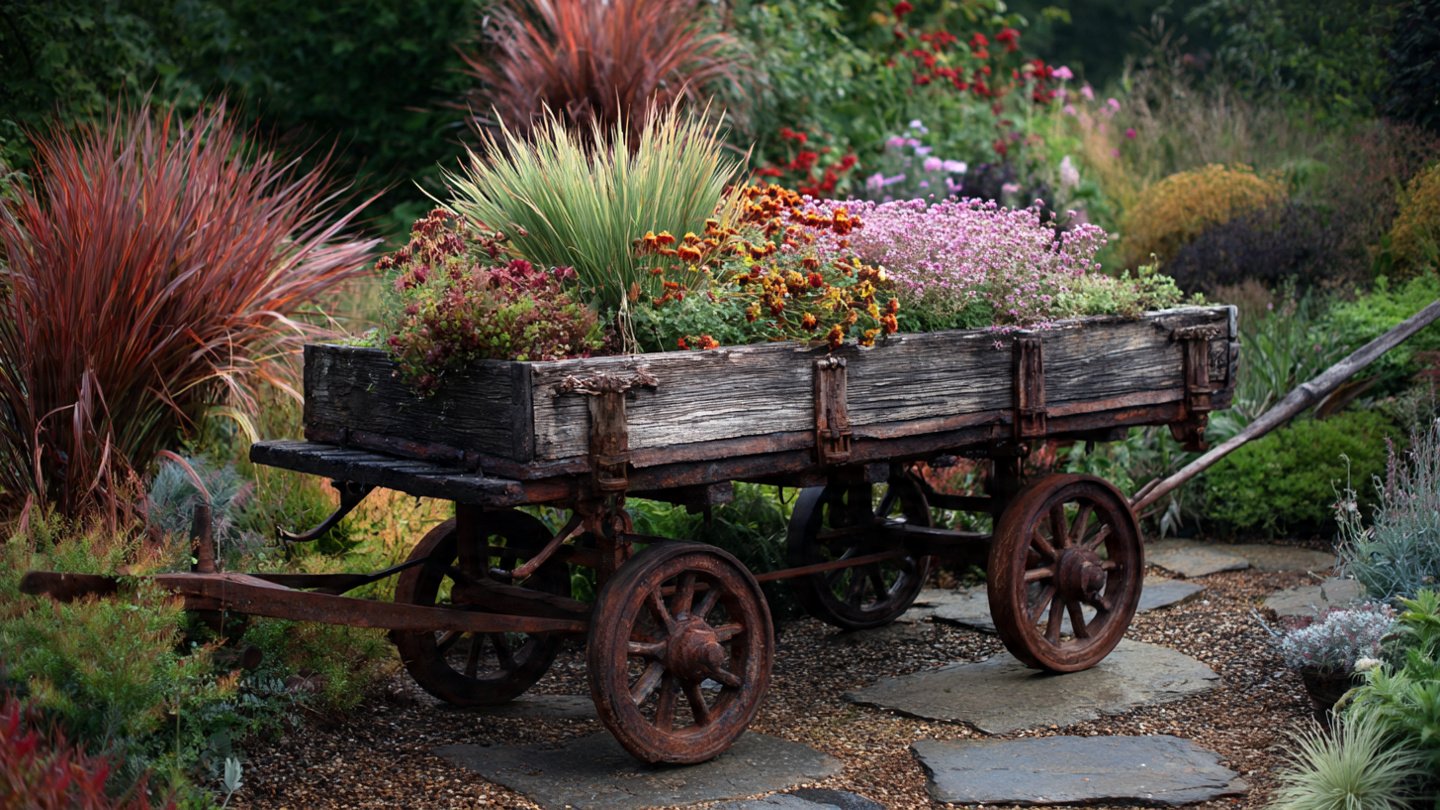
When embarking on the journey of composting, gardeners often face the challenge of transporting compost materials from one location to another. Traditional methods can be labor-intensive and time-consuming, leaving gardeners seeking better solutions. Enter the garden wagon, an underappreciated yet ingenious tool that may just hold the key to effortless compost transport.
The Benefits of Composting
Before diving into the advantages of using a garden wagon, it’s essential to understand why composting is beneficial.
- Reduces Waste: Composting helps divert organic waste from landfills, minimizing environmental impact.
- Enriches Soil: Compost serves as a natural fertilizer, enriching the soil with nutrients that enhance plant growth.
- Saves Money: By creating your compost, you can often reduce the need for store-bought fertilizers and soil amendments.
- Improves Soil Structure: Compost enhances soil aeration, moisture retention, and overall health.
The Traditional Compost Transport Dilemma
For many gardeners, moving compost can become a chore. Here are some common hurdles:
- Heavy Loads: Compost, especially when wet, can become quite heavy, making it difficult to transport.
- Bulkiness: Organizing materials and moving them from one spot to another can be unwieldy without the right tools.
- Time-Consuming: Manually hauling compost can take up valuable gardening time, detracting from other essential tasks.
Why a Garden Wagon?
Garden wagons are not merely vessels for transporting plants or soil; they are versatile tools integral to efficient gardening. Here’s why they stand out:
1. Enhanced Mobility
Garden wagons are designed for mobility. With their sturdy wheels and wide handles, they can glide easily over various terrains—from grassy lawns to uneven garden paths.
2. Ample Capacity
Most garden wagons offer significant load capacity, allowing you to transport various compost materials in a single trip. This efficiency reduces the number of trips you need to make, saving time and energy.
3. Reduced Strain
The ergonomic design of many garden wagons minimizes physical strain. Instead of lifting heavy bags or buckets, gardeners can simply load their compost into the wagon and pull or push it where it needs to go.
4. Versatility in Use
A garden wagon isn’t just limited to compost. You can use it for a variety of gardening tasks, such as hauling plants, soil, tools, and weeds, making it a multi-purpose asset in your gardening toolkit.
Choosing the Right Garden Wagon
When selecting a garden wagon for compost transport, consider the following factors:
- Weight Capacity: Make sure the wagon can comfortably handle your expected load.
- Wheel Type: Look for larger, more durable wheels that can handle uneven or soft ground.
- Size: Ensure the wagon fits your storage space and can maneuver easily in your garden.
- Material: Choose a wagon made of materials that will withstand the wear and tear of gardening.
Using Your Garden Wagon for Compost Transport
To maximize the benefits of your garden wagon for compost transport, follow these practical tips:
1. Load Wisely
Distribute the weight evenly in the wagon to ensure stability while transporting. This will also help in preventing spillage.
2. Secure Your Load
If you are moving particularly moist or loose compost, consider using a tarp or liner to prevent items from falling out during transport.
3. Clean After Use
Regularly cleaning your wagon can prolong its life. Organic materials can deteriorate the wagon’s condition, so a quick rinse after each use can be beneficial.
Beyond Compost: Other Uses of a Garden Wagon
A garden wagon’s advantages extend beyond just compost transport. Here are some additional applications:
- Planting Day Transport: Use the wagon to haul potting soil, pots, and other supplies while planting.
- Weeding: Collect weeds or debris while working in the garden for easy disposal.
- Picnics and Outings: A garden wagon can double as a portable seating area or food station.
Conclusion
In the quest for efficient gardening, a garden wagon proves to be an invaluable asset. Its capability to transport compost effortlessly not only saves time and physical strain but also enhances the overall gardening experience. Whether you’re a seasoned gardener or just starting, investing in a garden wagon can streamline your composting efforts, allowing you more time to enjoy the fruits (or vegetables) of your labor. In essence, the garden wagon may just be the unsung hero of effortless compost transport.
FAQs
1. Can I use any type of wagon for transporting compost?
While any wagon can be used, it’s best to choose one with sturdy wheels and a high weight capacity to handle the load and navigate uneven terrains.
2. How often should I clean my garden wagon?
Clean your wagon after each use, especially if it’s been in contact with compost or soil, to prolong its life and maintain hygiene.
3. Can I use a garden wagon for other gardening tasks?
Absolutely! Garden wagons are versatile and can be used for carrying tools, soil, plants, as well as gathering debris from your garden.
4. What is the weight capacity I should look for?
A good garden wagon should ideally have a weight capacity of at least 300-600 pounds, depending on the size of your composting needs.
5. Are there eco-friendly garden wagon options available?
Yes! Look for wagons made from recycled materials or those that are sustainably produced to minimize your environmental footprint.