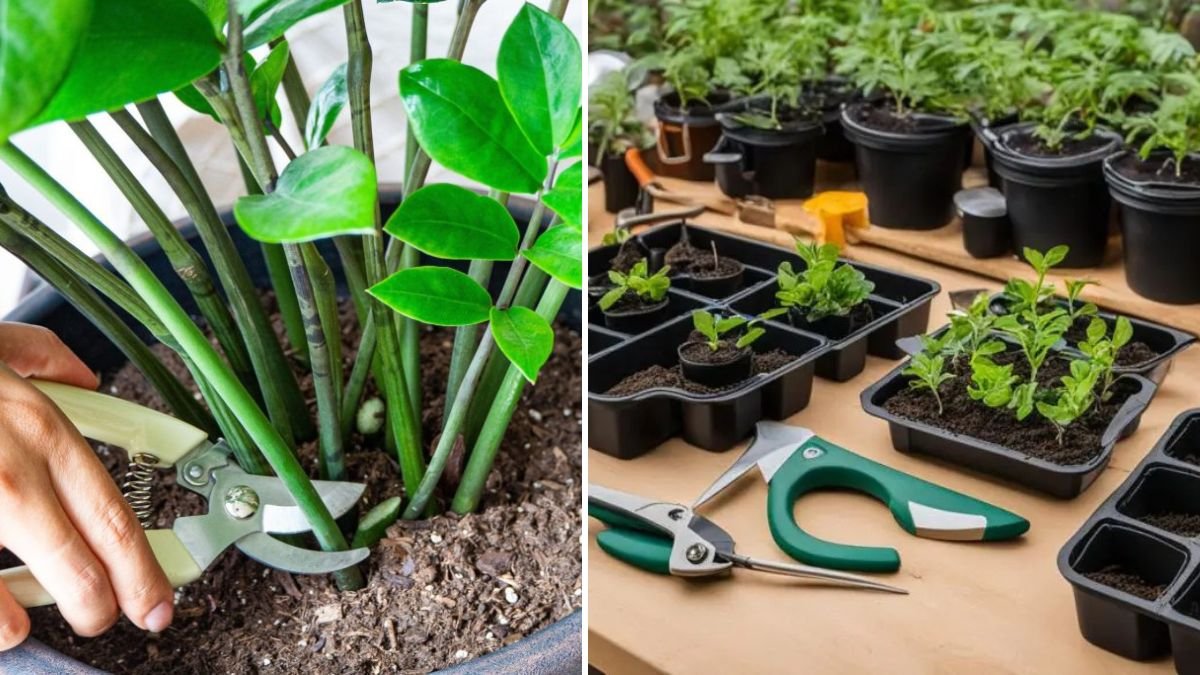
Plant propagation is one of the most satisfying skills every gardener can learn. Whether you are growing houseplants, fruit trees, or ornamental plants, propagation allows you to expand your garden without buying new plants. It helps save money, preserves favorite varieties, and deepens your connection with nature. From simple cuttings to more advanced techniques, propagation opens the door to endless gardening possibilities.
In this comprehensive guide, we will explore what propagation is, why it matters, and how you can successfully propagate plants using a variety of beginner-friendly techniques.
What Is Plant Propagation?
Plant propagation is the process of creating new plants from existing ones. Instead of planting seeds, gardeners can use parts such as stems, leaves, or roots to produce clones of the parent plant. These clones grow with the same characteristics — color, size, fragrance, and growth habit — as the original.
Propagation is divided into two major categories:
- Sexual propagation – Using seeds
- Asexual propagation – Using plant parts like cuttings, layers, or division
While seeds offer genetic diversity, asexual propagation gives consistent results, which is why many gardeners rely on it.
Why Propagate Plants?
Propagation offers several advantages:
- Cost-effective: Grow new plants without purchasing more.
- Preserves rare species: Maintain varieties that may be difficult to find.
- Faster growth: Many propagation methods produce mature plants quicker than seeds.
- Creative gardening: Design gardens with uniform plants or experiment with hybrids.
- Sustainable: Reduces waste and promotes eco-friendly gardening habits.
Propagation turns gardening into a creative and rewarding practice rather than a passive hobby.
Common Methods of Plant Propagation
There are many propagation techniques, but beginners usually start with simple and reliable methods. Here are the most popular ones:
1. Propagation from Stem Cuttings
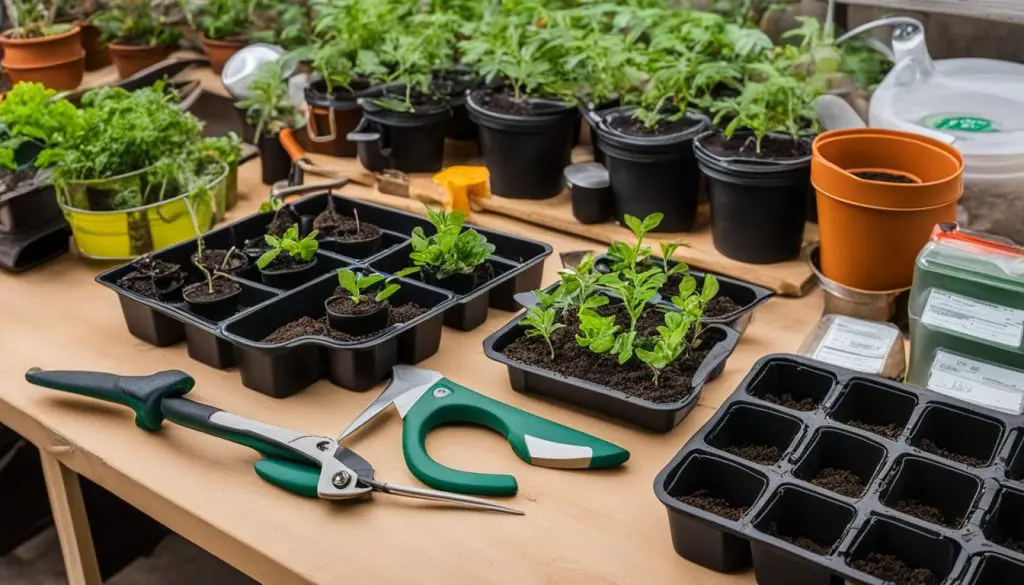
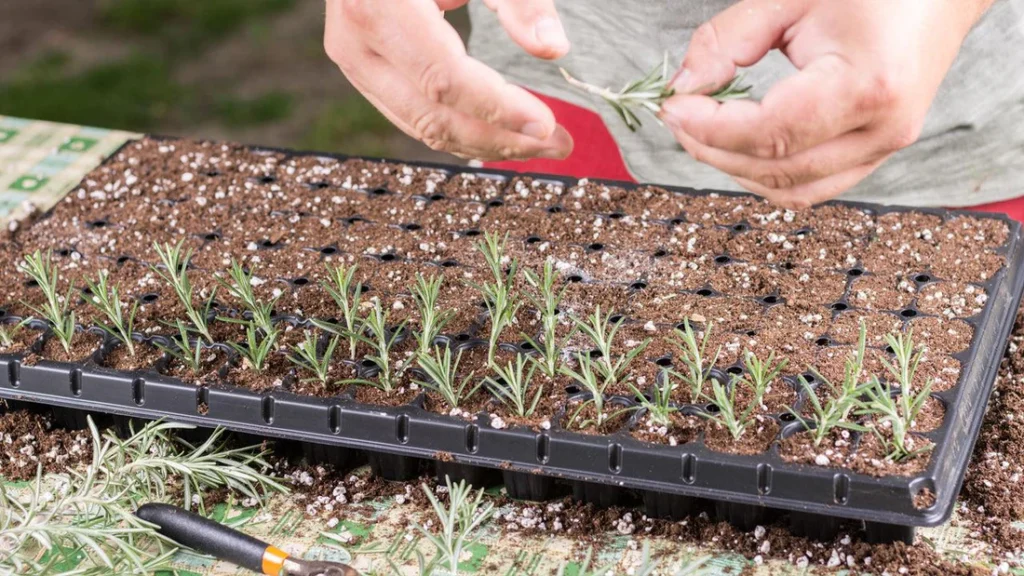
Stem cuttings are one of the easiest and most successful techniques.
How it works:
A healthy stem containing several nodes is cut and planted in soil or water. Roots develop from the nodes.
Steps:
- Choose a healthy plant.
- Cut a 4–6 inch stem with at least two nodes.
- Remove the leaves from the lower half.
- Dip the cut end in rooting hormone (optional).
- Place the cutting in moist soil or water.
- Keep it warm and shaded.
Roots form in 2–6 weeks depending on the plant species.
Plants that root easily by cuttings:
- Mint
- Basil
- Coleus
- Roses
- Hibiscus
- Money plant
This method produces identical clones and is ideal for houseplants and flowering plants.
2. Propagation from Leaf Cuttings
Leaf propagation is common in succulents and some ornamental plants.
Procedure:
- Remove a healthy leaf without damaging it.
- Allow it to dry for a day (to prevent rot).
- Place it on well-drained soil.
- Mist lightly until new roots and plantlets appear.
Best plants for leaf propagation:
- Aloe
- Jade plant
- African violet
- Begonia
Leaf propagation is slow but magical — tiny new plants appear from a single leaf.
3. Propagation by Layering
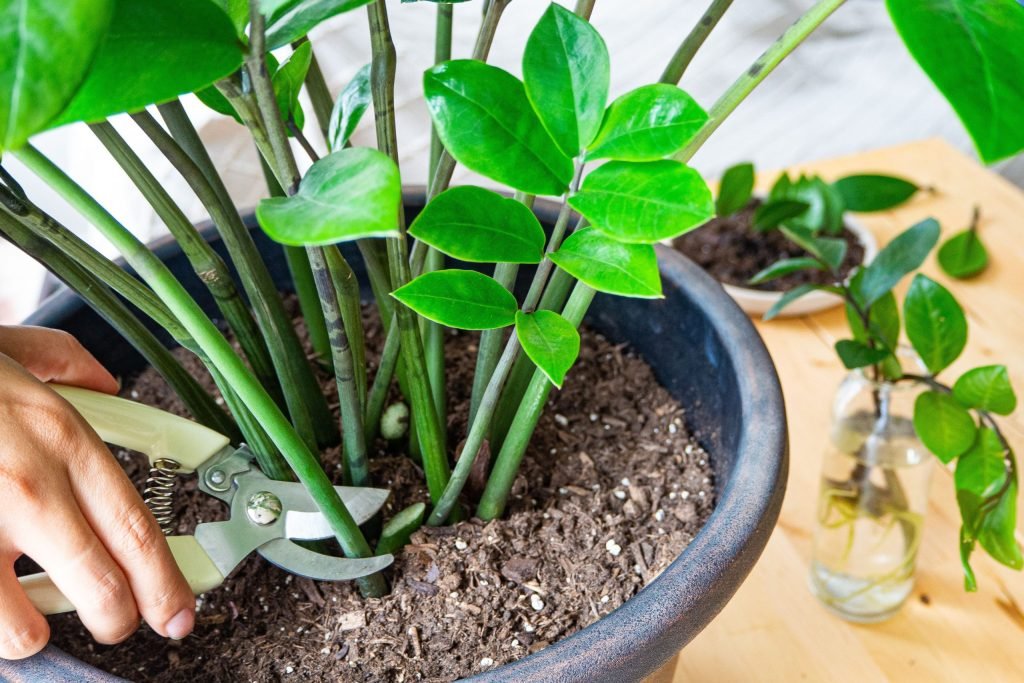
Layering encourages roots to form while the plant is still attached to the parent.
Types:
- Simple layering
- Air layering
- Tip layering
Air layering steps:
- Choose a branch.
- Remove a small ring of bark.
- Wrap with moist sphagnum moss.
- Cover with plastic and tie it.
- Roots develop in 4–8 weeks.
- Cut below the roots and plant.
Best for:
- Guava
- Mango
- Rose
- Rubber plant
- Citrus trees
Layering is excellent for woody plants that don’t root easily from cuttings.
4. Propagation by Division
Division splits a plant into multiple sections, each with roots.
Ideal for:
- Ferns
- Hostas
- Orchids
- Perennials
- Clumping grasses
Steps:
- Remove the plant from soil.
- Separate gently with hands or a knife.
- Replant each section immediately.
Division gives instant, established plants and is perfect during the plant’s dormant season.
5. Propagation from Seeds
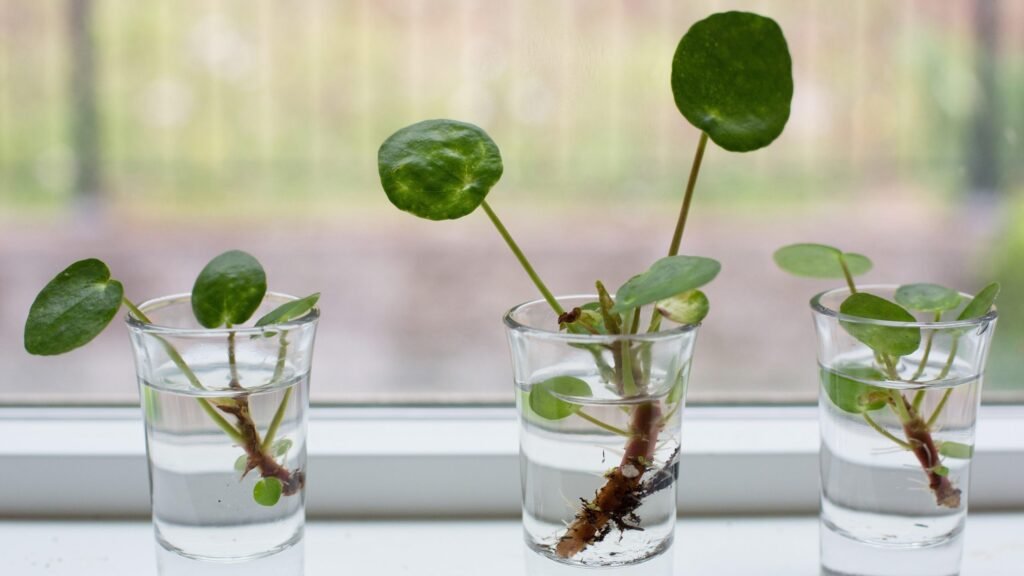
Seeds are the natural way plants reproduce. Although seedlings take longer to mature, this method introduces genetic variation.
Steps:
- Choose high-quality seeds.
- Use sterile soil.
- Sow seeds at the correct depth.
- Keep soil moist.
- Provide warmth and light.
Seed propagation is ideal for vegetables, herbs, and annual flowers.
Essential Conditions for Successful Propagation
Regardless of the method, some conditions remain constant:
Moisture
Plants need consistent humidity but not waterlogging.
Warmth
Most plants root best between 20–25°C (68–77°F).
Light
Bright indirect light stimulates rooting without burning young tissues.
Clean tools
Sterilize blades to prevent infection.
🪴 Using Rooting Hormones
Rooting hormones (auxins) speed up the rooting process. They are optional but especially useful for woody plants.
Common forms:
- Powder
- Gel
- Liquid
They improve success rates and shorten rooting time.
Tips for High Success Rates
- Always choose healthy, disease-free plant material.
- Avoid thick woody stems unless using layering.
- Keep propagation trays clean.
- Use a humidity dome for cuttings.
- Monitor daily but avoid overwatering.
Small details often determine success or failure.
Common Mistakes to Avoid
❌ Overwatering cuttings
❌ Using weak or diseased plant material
❌ Giving direct sunlight to fresh cuttings
❌ Cutting too close to the soil
❌ Neglecting hygiene
Avoiding these errors dramatically improves results.
Benefits of Learning Propagation
Propagation strengthens gardening skills, reduces dependency on plant nurseries, and helps preserve plant diversity. It also builds confidence — once you understand the process, you can multiply almost any plant.
Many gardeners propagate plants simply because it feels magical: watching a tiny cutting transform into a new plant is deeply fulfilling.
Conclusion
Plant propagation is both science and art. With a bit of practice, you can grow new plants from cuttings, leaves, roots, or seeds. Whether you want to expand a home garden, share plants with friends, or build a nursery, propagation gives you limitless opportunities.
Start with easy methods like stem cuttings or division, then gradually explore advanced techniques such as layering. Over time, you will develop intuition, patience, and skill — the hallmark of a true gardener.
Propagation not only grows plants… it grows confidence, creativity, and a deeper appreciation for nature.