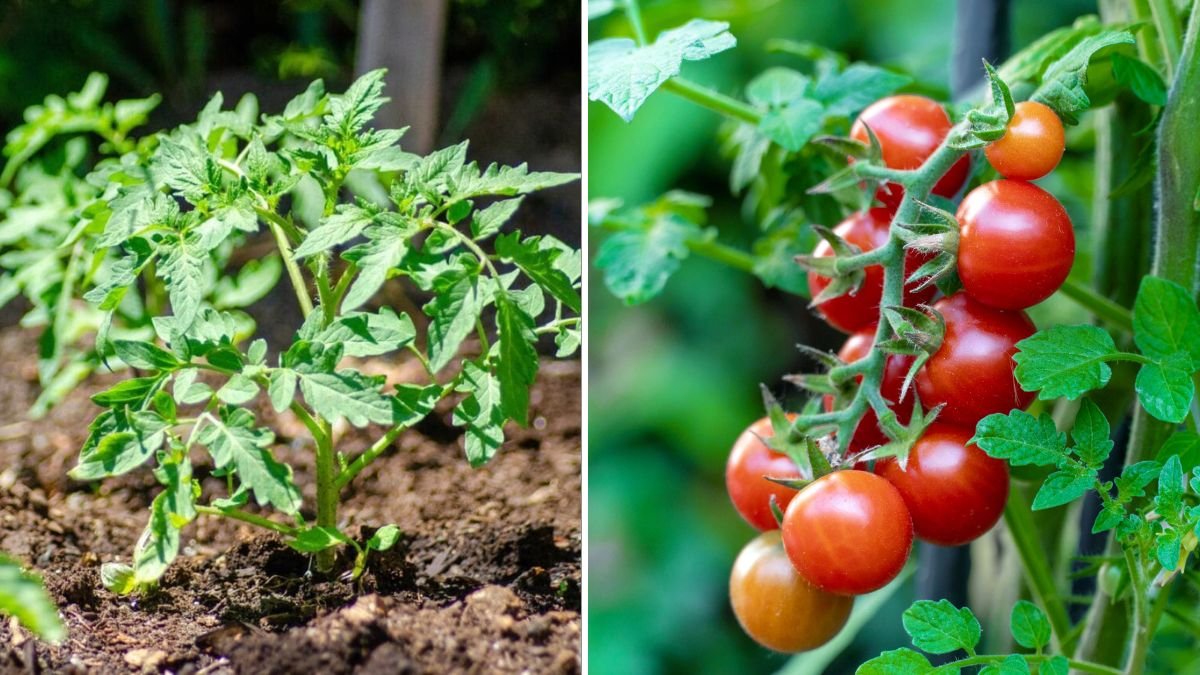
Tomatoes are one of the most popular homegrown vegetables worldwide. Many gardeners struggle with low yields despite healthy plants. A groundbreaking growing method can significantly increase production. This approach focuses on root strength and balanced nutrition. It works in gardens, containers, and raised beds. The method is simple yet highly effective. With proper care, yields can double. Homegrown tomatoes become more abundant and flavorful.
Understanding the Groundbreaking Growing Concept
This method emphasizes deep root development. Strong roots absorb more nutrients and water. It also focuses on controlled stress to boost flowering. Tomatoes respond well to structured care. The approach reduces plant shock. Balanced growth leads to heavier fruiting. Understanding the concept ensures better results.
Choosing the Right Tomato Varieties
High-yield varieties perform best with this method. Determinate types give uniform harvests. Indeterminate varieties produce longer. Disease-resistant tomatoes reduce losses. Local varieties adapt well to climate. Variety choice directly impacts yield. Selecting wisely ensures success.
Preparing the Soil for Maximum Yield
Soil preparation is crucial. Loose soil allows deep root growth. Compost improves fertility and structure. Avoid compacted soil. Proper drainage prevents root diseases. Healthy soil supports heavy fruiting. Soil quality determines final harvest size.
Deep Planting Technique Explained
Tomatoes benefit from deep planting. Bury part of the stem underground. New roots form along the buried stem. This increases nutrient absorption. Plants become stronger and taller. Deep planting improves drought tolerance. This step is key to the method.
Spacing for Better Airflow and Yield
Proper spacing prevents overcrowding. Airflow reduces disease risk. Each plant gets enough sunlight. Roots have space to expand. Crowded plants compete for nutrients. Correct spacing improves fruit size. Yield increases with better spacing.
Sunlight Optimization for Tomatoes
Tomatoes need full sunlight daily. Six to eight hours is ideal. Morning sun is most beneficial. Good light improves flowering. Insufficient light reduces fruiting. Sun exposure directly affects yield.
Watering Strategy for High Production
Consistent watering is essential. Deep watering encourages root growth. Avoid frequent shallow watering. Water early in the morning. Irregular watering causes fruit cracking. Balanced moisture supports steady production.
Fertilizing for Continuous Fruiting
Tomatoes are heavy feeders. Organic compost is ideal. Feed regularly but moderately. Excess nitrogen causes leafy growth. Potassium boosts fruit formation. Balanced nutrients sustain high yield.
Pruning for Productivity
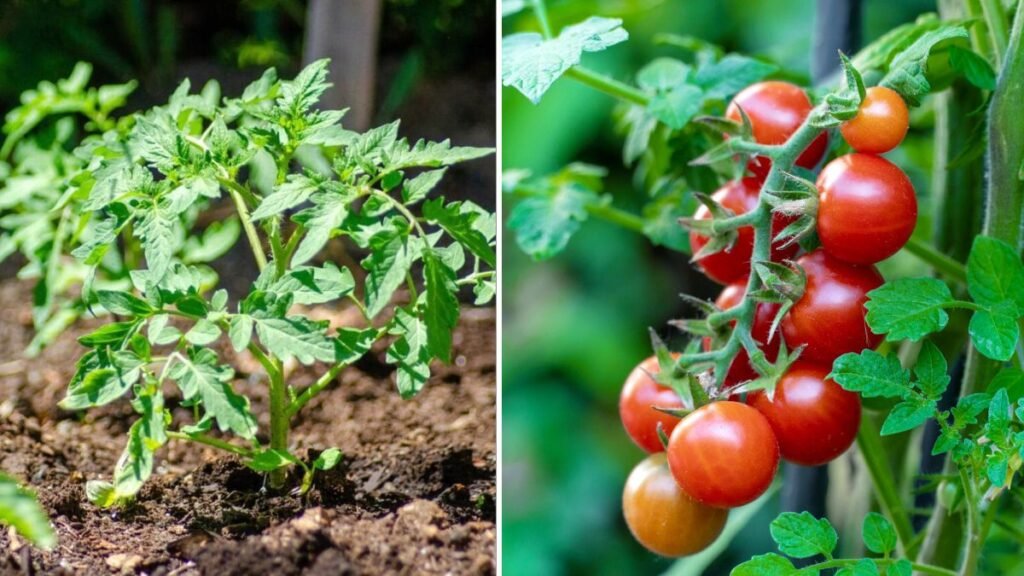
Pruning directs energy to fruits. Remove unnecessary side shoots. Improve airflow and sunlight penetration. Pruned plants produce larger fruits. Avoid excessive pruning. Controlled pruning enhances yield.
Supporting Tomato Plants Properly
Support prevents stem breakage. Stakes or trellises work well. Keeps fruits off the ground. Improves airflow. Supports heavy fruit clusters. Proper support increases harvest quality.
Mulching to Protect Roots
Mulching conserves soil moisture. Keeps roots cool. Reduces weed growth. Improves soil health. Organic mulch breaks down into nutrients. Mulching supports continuous fruiting.
Pollination Enhancement Techniques
Tomatoes self-pollinate. Gentle shaking helps pollen transfer. Bees improve pollination naturally. Morning pollination is most effective. Better pollination means more fruits.
Managing Pests Naturally
Healthy plants resist pests better. Inspect plants regularly. Remove pests by hand. Neem oil works well. Avoid chemical pesticides. Natural methods protect yield.
Disease Prevention for High Yield
Good airflow reduces disease. Avoid wetting leaves. Remove infected leaves promptly. Clean tools regularly. Disease prevention saves crops.
Harvesting for Continuous Production
Harvest tomatoes regularly. Frequent picking encourages new flowers. Pick ripe fruits carefully. Morning harvest improves flavor. Proper harvesting boosts yield.
Extending the Tomato Harvest Season
Maintain feeding schedule. Protect plants from extreme heat. Remove old leaves. Consistent care extends production. Plants can fruit longer with attention.
Common Mistakes That Reduce Yield
Overwatering plants. Excess nitrogen use. Poor spacing. Ignoring pruning. Insufficient sunlight. Avoid these mistakes for success.
High-Yield Tomato Growing Summary Table
| Factor | Best Practice | Benefit |
|---|---|---|
| Soil | Loose organic mix | Strong roots |
| Planting | Deep planting method | Higher yield |
| Water | Deep consistent watering | Larger fruits |
| Support | Staking or trellis | Healthy plants |
Conclusion
Maximizing tomato yield requires smart techniques. This groundbreaking method focuses on roots and balance. Proper soil, water, and nutrition are key. Pruning and support improve productivity. Anyone can grow more tomatoes using this approach. With consistency, harvests become abundant. Start applying these methods today.