Gardening is a beautiful blend of curiosity, patience, and innovation. Every gardener—whether beginner or expert—enjoys discovering new methods that improve plant growth, boost yields, or simplify everyday care. And sometimes, a single new experiment in your garden can completely change the way your plants perform.
In this article, we explore a unique, practical, and highly effective gardening experiment that almost anyone can try at home: using fermented organic boosters to dramatically improve plant growth and soil health. Whether you grow vegetables, flowering plants, fruit trees, or succulents, this experiment offers a sustainable and powerful way to revive your garden naturally.
Let’s dive into how this simple innovation works, how to prepare it at home, and how it transforms your plant-growing journey.
Why Try a New Experiment in the Garden?
Nature is full of surprises—and plants often respond incredibly well to new techniques. Experiments allow you to:
Discover better ways to feed your plants
Improve soil structure and fertility
Strengthen plant immunity naturally
Increase flowering and fruiting
Avoid harmful chemicals
Personalize your gardening experience
Gardeners worldwide constantly innovate, using kitchen waste, natural microbes, or unique potting mixes. The exciting part? Even a small experiment can lead to big results.
Today’s experiment is one you can easily try at home using ingredients you already have.
The New Experiment: Fermented Fruit & Veggie Water (FFVW)
— A Powerful Homemade Elixir to Supercharge Plant Growth
This experiment revolves around creating a natural fermented nutrient solution using leftover fruits and vegetables. It is nutrient-rich, microbe-dense, and extremely beneficial for plant roots and overall growth.
This technique is inspired by Korean Natural Farming (KNF) and modern organic practices—but simplified for home gardeners.
What Is Fermented Fruit & Veggie Water?
It’s a nutrient-packed liquid created by soaking fruit peels, vegetable scraps, or overripe produce in sugar and water. During fermentation, beneficial microorganisms break down the organic matter, releasing:
Potassium
Nitrogen
Phosphorus
Enzymes
Growth hormones
Lactobacillus (good bacteria)
These elements help plants grow faster, stay healthier, and produce more flowers and fruits.
Why This Experiment Works Wonders
Fermented solutions deliver nutrients in a bio-available form, meaning plants absorb them faster than regular compost or fertilizers.
Here’s what makes this experiment extraordinary:
1. Boosts Root Development
Beneficial microbes stimulate strong and healthy root systems, allowing plants to take in more nutrients and water.
2. Improves Soil Health
Microbial diversity increases soil fertility, breaking down organic matter and loosening compact soil.
3. Enhances Flowering & Fruiting
Potassium-rich fruit peels promote more buds, stronger flowers, and better fruit formation.
4. Completely Organic & Safe
No chemicals, no side effects—just clean, natural nourishment.
5. Cost-Free & Eco-Friendly
You literally create fertilizer from waste—which reduces kitchen garbage and enriches your garden.
What You Need for the Experiment
Collect the following:
- 1 cup fruit scraps (banana peels, papaya peels, apple scraps)
- 1 cup vegetable scraps (carrot peels, spinach stems, tomato pulp)
- 1 cup jaggery or brown sugar
- 2 liters water
- An airtight jar or bottle
Optional: A handful of rice water or old curd to boost fermentation.
Step-by-Step Guide to Create the Fermented Elixir
Step 1: Prepare the Scraps
Wash fruit and vegetable peels to remove chemicals. Chop into small pieces for faster fermentation.
Step 2: Add Sugar
Mix equal weight of jaggery/sugar with the scraps. Sugar feeds the microorganisms during fermentation.
Step 3: Fill the Jar
Add the scraps and sugar mixture into a large bottle. Pour water until ¾ full to allow bubbling.
Step 4: Seal & Ferment
Close the lid tightly and store it in a dark area for 7 to 14 days.
Step 5: Release Gas Daily
Open the lid once a day to allow trapped gases to escape. This prevents pressure build-up.
Step 6: Strain the Liquid
After fermentation, strain out the liquid. This is your Fermented Fruit & Veggie Water.
Step 7: Dilute Before Use
Always dilute the solution:
- 1 part FFVW : 20 parts water for general use
- 1:10 for flowering or fruiting plants
- 1:30 for seedlings
How to Use This Liquid on Your Plants
This natural elixir works for nearly all plants:
Flowering Plants
Roses, hibiscus, marigolds, adenium, bougainvillea respond incredibly well. Apply once every 7–10 days.
Vegetables
Tomatoes, chilies, cucumbers, beans grow faster and produce more.
Fruit Trees
Lemon, guava, mango, papaya, mulberry—these trees love potassium-rich feeds.
Indoor Plants
Money plants, pothos, peace lily, rubber plant grow greener and stronger.
Seedlings
Use highly diluted solution for quick root development.
Visible Results You Can Expect
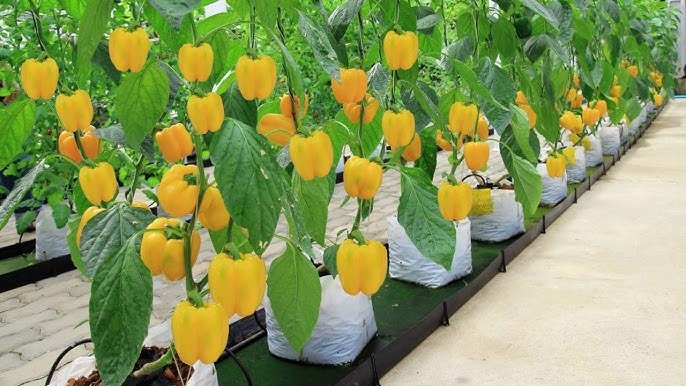
Within 2–3 weeks, you will see:
Brighter, greener leaves
Faster new growth
Stronger stems and roots
More buds on flowering plants
Larger, juicier fruits
Reduction in fungal problems due to healthy microbes
Your garden will feel more alive—because it truly is.
Extra Add-Ons to Level Up the Experiment
You can enhance your FFVW solution by adding:
Crushed eggshells — for calcium
A handful of cow dung — for extra microbes
Banana peel powder — for more potassium
Aloe vera gel — natural root booster
Rice water — microbial starter
Each addition makes the fermentation mix richer and more powerful.
Tips to Avoid Mistakes
To ensure success in this experiment:
Do NOT use citrus peels if your plants dislike acidic fertilizers
Do NOT apply undiluted solution—it’s too strong
Avoid using moldy ingredients
Do not store in metal containers
Keep away from direct sunlight during fermentation
Follow these simple rules, and your fermented solution will be perfect every time.
Why This Experiment Is Worth Trying
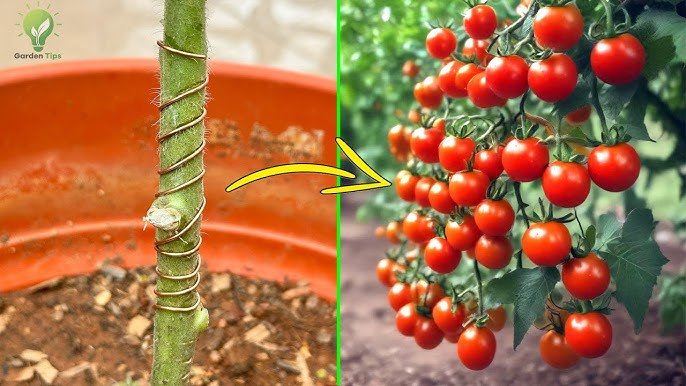
This new experiment proves that simple, natural solutions can outperform store-bought fertilizers. It teaches gardeners the power of microbes, the importance of organic material, and how waste can transform into plant food.
You save money, reduce waste, improve soil, and see explosive plant growth—what more could a gardener want?
Final Thoughts: Start Your New Experiment Today
Gardening becomes even more exciting when you try something new. This fermented fruit and veggie water experiment is one of the most effective, eco-friendly, and rewarding methods you can introduce into your garden routine.
You’ll be amazed at how quickly your plants respond—as if you unlocked a hidden secret of nature.
So why wait? Start your new experiment today and watch your garden transform into a lush, vibrant, thriving paradise.