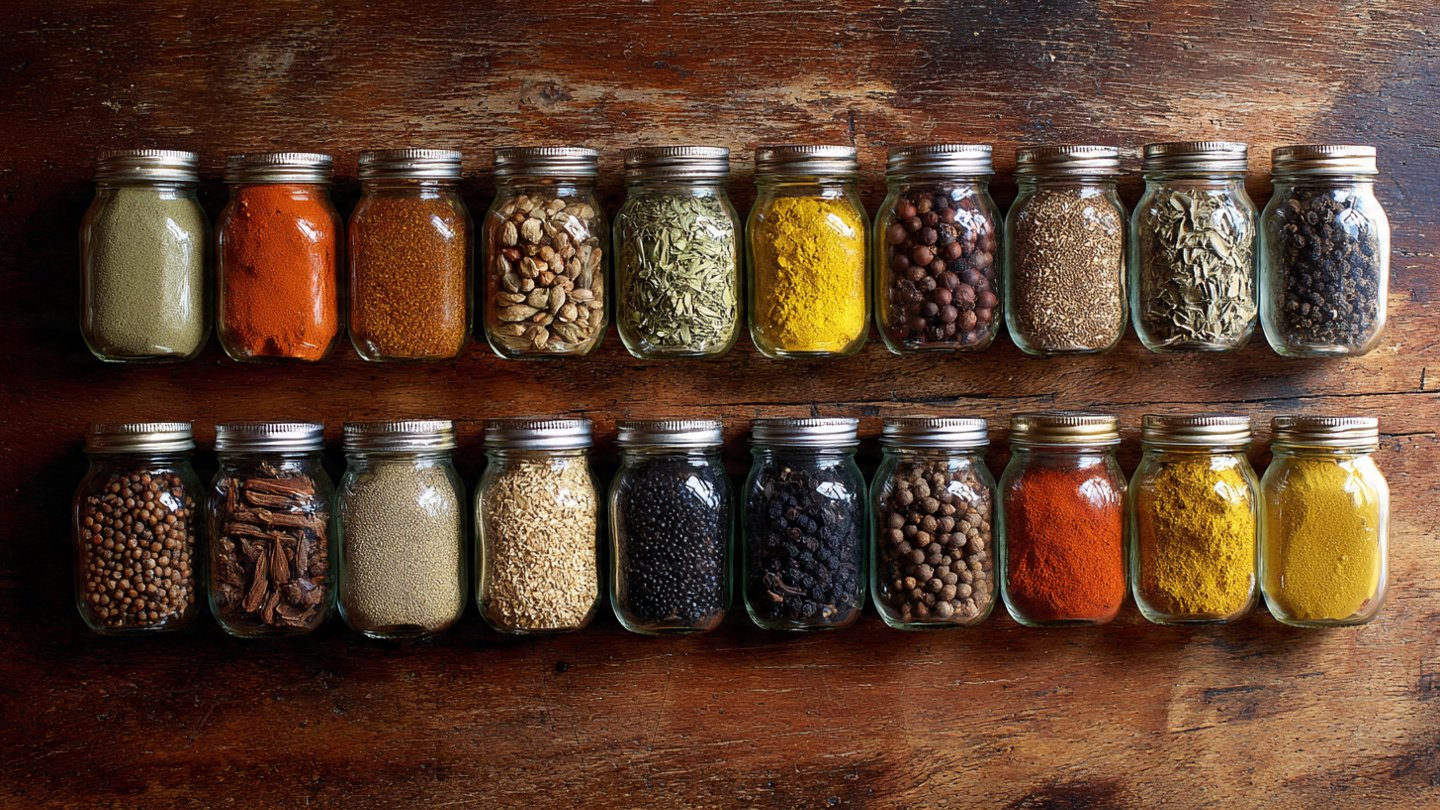
Spices are the aromatic soul of cooking, transforming bland dishes into flavorful experiences. However, spices can lose their potency over time due to oxidation, exposure to light, moisture, and temperature fluctuations. Understanding how to properly store and rotate spices is essential to maximizing their shelf life and preserving their aroma. This article explores effective kitchen rotation techniques to ensure your spices remain vibrant and aromatic, enhancing your culinary creations.
Understanding Spice Deterioration
Before diving into preservation techniques, it’s important to understand how spices deteriorate. Spices contain volatile oils that give them their unique aroma and flavor. Over time, these oils can evaporate or degrade, leading to a significant loss in potency. Factors that contribute to this deterioration include:
- Light Exposure: UV light can break down essential oils in spices, leading to loss of flavor.
- Moisture: Spices should be kept dry; moisture can promote mold growth and spoilage.
- Air: Oxygen exposure can lead to oxidation, further diminishing spice quality.
- Temperature: Heat can accelerate the degradation of spices, altering their flavors.
To counteract these effects, applying strategic rotation and storage techniques is crucial.
Storage Techniques for Preserving Aroma
1. Select Appropriate Containers
Choosing the right container is vital for preserving spice aroma. Here are some recommendations:
- Opaque Glass Jars: These protect spices from light while allowing visibility.
- Airtight Containers: Prevent air exposure, which is essential for retaining freshness.
- Avoid Plastic: Plastic can absorb odors and transmit them to spices.
2. Keep Spices Cool and Dry
Store spices in a cool, dark place, away from heat sources such as ovens or direct sunlight. A pantry or kitchen cabinet works well. The ideal temperature for storing spices is between 60°F to 70°F (15°C to 21°C). To absorb excess moisture, consider using silica gel packets in your spice jars.
3. Use Vacuum Sealing
For longer-term storage, consider vacuum sealing spices. By removing air, vacuum-sealed bags help preserve potency for extended periods. This method is particularly effective for bulk spices that you won’t use immediately.
4. Label and Date
Labeling spice containers with the purchase date helps track freshness. It’s easy to lose track of how long spices have been in storage, and older spices should be used first. This practice not only aids in maintaining freshness but also prevents waste.
Kitchen Rotation Techniques
Rotating spices effectively guarantees that you always have access to the freshest ingredients. Here’s how to implement a rotation system in your kitchen:
1. First In, First Out (FIFO)
Implementing a FIFO system is straightforward and actionable. When new spices come in, they should be placed behind older ones in the cabinet. This way, you naturally use older spices first, preventing them from becoming stale. To maintain this system:
- Always check the dates when restocking.
- Reorganize jars if necessary during your routine cooking sessions.
2. Spice Inventory Management
Keeping an updated inventory of your spices can streamline your rotation process. A simple spreadsheet or a mobile app can help track:
- Purchase date
- Expiry date
- Frequency of use
Regularly reviewing your spice inventory allows you to prioritize using older spices, ensuring they don’t sit forgotten.
3. Group by Type or Cuisine
Organizing spices by type (e.g., herbs, seeds, powders) or cuisine (e.g., Italian, Indian, Mexican) can make it easier to find what you need while cooking. This method will naturally lead you to use spices more regularly, as you won’t dig through a chaotic assortment:
- Consider placing frequently used spices near the front for easy access.
- Maintain a separate section for seasonal spices, allowing for quick selection during holiday cooking.
4. Embrace a ‘Use It’ Challenge
Sometimes, spices can sit in the back of cabinets for months or even years. To combat this, consider hosting a ‘Use It’ challenge in your kitchen. This involves:
- Setting a timeline (e.g., one week or month) to use as many neglected spices as possible.
- Planning recipes specifically incorporating these spices.
- Educating yourself on new cooking techniques or cuisines that utilize these ingredients.
Not only does this reduce wastage, but it also adds fun and creativity to your cooking.
5. Create a Spice Calendar
A spice calendar can help you maximize the use of your spices over time. This can be done by:
- Assigning particular spices to specific months, particularly focusing on those that align with seasonal dishes or holidays.
- Using a visual calendar to track which spices are used frequently and which need attention.
Creating a calendar is an excellent way to build a routine that incorporates variety in your cooking.
Advanced Techniques for Spices
1. Freezing Spices
Certain spices, particularly herbs (e.g., basil, cilantro), can be stored in the freezer to maintain their aroma and flavor. Consider these methods:
- Herb Cubes: Blend herbs with olive oil and freeze in ice cube trays. Use as needed in cooking.
- Whole Spices: Keep them whole in a freezer-safe container. Grind them as required for robust flavor.
2. Infusing Oils with Spices
Infusing oils with spices can add a unique flavor to your dishes while effectively utilizing older spices. This technique involves:
- Gently heating oil (like olive or sesame oil) with spices (like garlic, chili, or rosemary).
- Allowing the mixture to cool, straining out the solids, and storing the flavored oil in a cool, dark place.
3. Spice Blends
Creating your own spice blends allows you to use multiple spices efficiently. Tailoring blends to suit your cooking style can:
- Ensure spices are used up quickly.
- Enable you to create signature flavors for your dishes.
4. Spice Exchange Programs
If you find that you have spices that you rarely use, consider hosting a spice exchange with friends or family. This not only adds new flavors to your collection but also allows for the sharing of culinary skills and knowledge.
The Importance of Freshness
Fresh spices enhance flavor, aroma, and nutritional value in your meals. Regularly rotating and using your spices not only leads to better meals but fosters a sense of engagement with your cooking. Fresh spices can elevate simple ingredients into memorable dishes, creating a delightful cooking experience.
Conclusion
Implementing effective kitchen rotation techniques for your spices is a rewarding endeavor that ensures vibrancy in your cooking. By understanding how spices deteriorate, storing them properly, and applying strategic rotation methods, you can enjoy flavorful meals every time. As you develop your spice management regimen, remember that cooking is as much about experimentation as it is about preservation. Engage with your spices, introduce new recipes, and cultivate an aromatic environment that inspires culinary creativity. Your palate—and those you share meals with—will undoubtedly thank you.