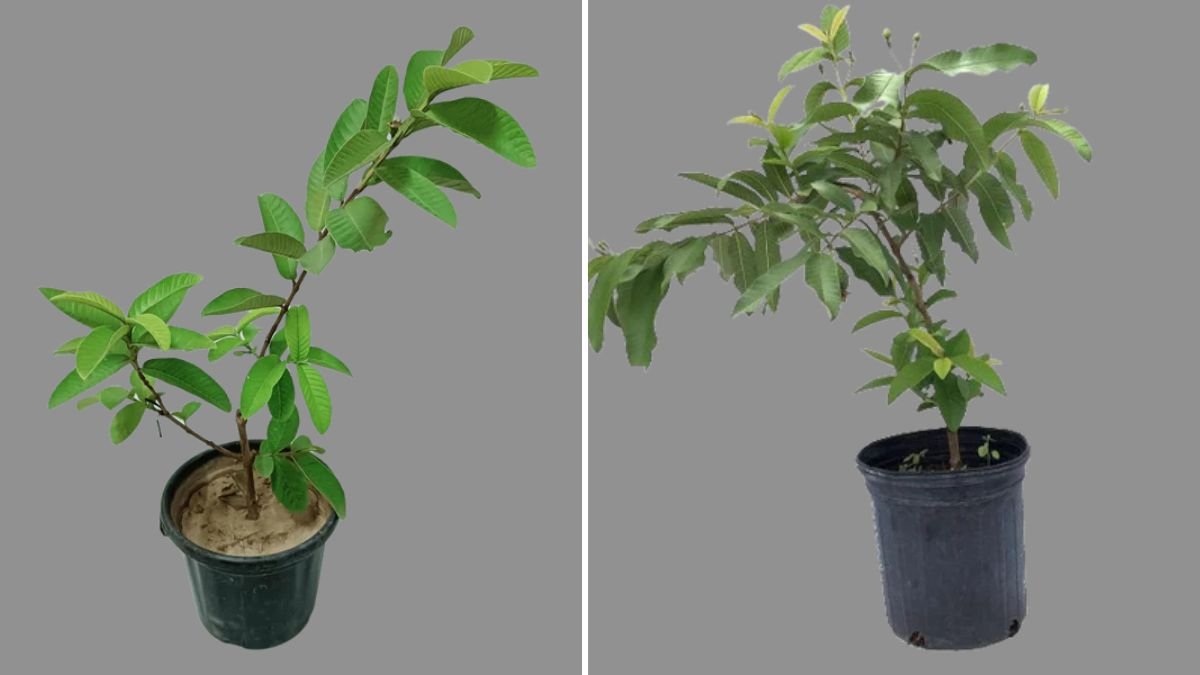
Guava trees are beloved around the world for their sweet aroma, delicious fruit, and hardy nature. Whether you enjoy fresh guava, juice, or jams, growing your own tree at home gives you unlimited access to fresh produce. But planting a guava sapling is only one option — you can actually propagate a new guava tree from a simple cutting.
Propagation allows you to create new plants that are identical to the parent tree. This means the same fruit quality, the same sweetness, and the same growth characteristics. The process is easy, inexpensive, and highly rewarding.
In this detailed 1200-word guide, we will explore how to propagate a guava tree by cuttings, the best techniques, common mistakes, and expert tips that greatly improve success rates.
Whether you are a beginner gardener or an experienced plant lover, this guide will help you grow strong, productive guava trees at home.
Why Propagate Guava Trees by Cuttings?
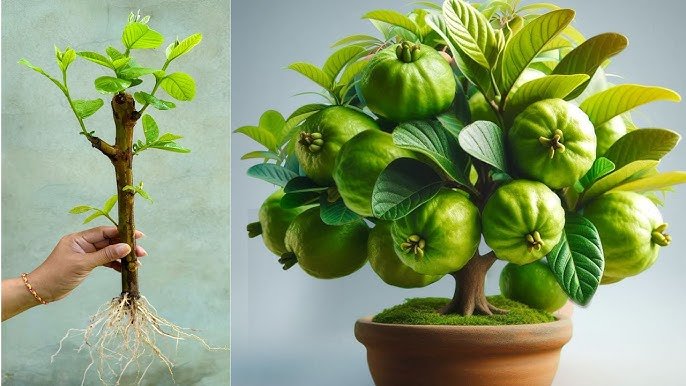
Guava can be propagated using seeds, grafting, or cuttings — but cuttings are the most reliable and beginner-friendly method.
Advantages of Propagating Guava by Cuttings
- Produces a plant identical to the parent
- Faster fruiting compared to seeds
- No need to buy saplings
- High success rate
- Works even in small spaces
- Affordable and simple
Guava cuttings root quickly because the plant naturally forms roots easily when conditions are right.
Understanding Guava Growth and Propagation
Guava trees grow vigorously and produce many branches. Some branches are ideal for propagation because they contain:
- High moisture
- Good energy storage
- Active growth hormones
These branches, when cut and planted, develop roots and grow into a new plant.
Guava propagation by cuttings usually uses semi-hardwood stems, which are slightly firm but still flexible.
Choosing the Best Guava Cutting
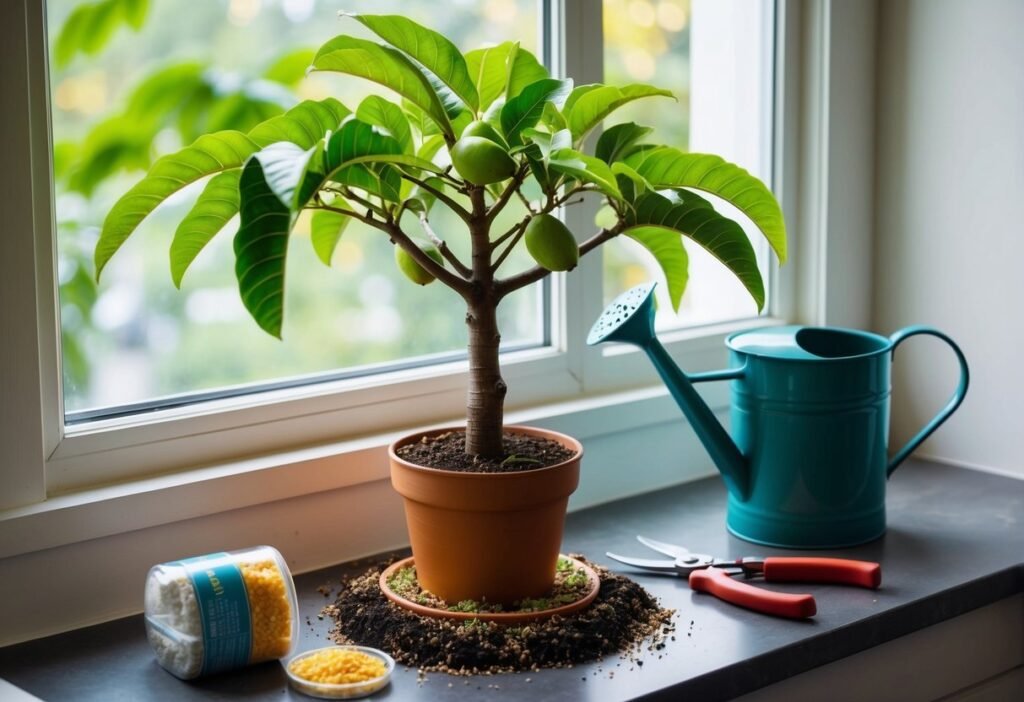
Selecting the right cutting determines whether your propagation succeeds.
Choose a Mature, Healthy Branch
The branch should be:
- Free from pests
- Free from fungal infections
- Fully green
- Not too soft
Choose Semi-Hardwood Stem
Semi-hardwood stems are:
- Not too young
- Not too woody
- Slightly firm
These roots best.
Length of Cutting
Cuttings should be:
- 6–8 inches long
- At least 2–3 nodes
- With a healthy bud
Time of Cutting
Early morning is ideal because stems contain maximum moisture.
Preparing the Guava Cutting
Once you have the stem, follow these steps carefully.
Step 1: Make Clean Cuts
Use sharp pruners or a knife.
- Cut the bottom just below a node
- Cut the top straight, above a node
Clean cuts prevent infection.
Step 2: Remove Lower Leaves
Leaves at the bottom steal moisture and cause rot.
Remove:
- All leaves from the bottom
- Keep 1–2 leaves at the top
Step 3: Remove Flowers or Buds
Flowers use too much energy.
Cut them off.
Step 4: Scrape the Bark (Optional but Effective)
Gently scrape 2 cm of bark from the bottom.
This stimulates stronger rooting.
Step 5: Apply Rooting Hormone
Rooting hormones dramatically increase success.
You can use:
- Commercial rooting powder
- Aloe vera gel
- Honey
- Cinnamon
- Turmeric
Dip the bottom end and let it dry for a few minutes.
Preparing the Right Growing Medium
Guava cuttings root best in a well-drained, airy medium.
Best Mix:
- 50% cocopeat
- 30% sand
- 20% garden soil or compost
Or you can use:
- Pure cocopeat
- Perlite + sand
- Sand + compost
Avoid heavy clay soil — it causes rot.
Planting the Guava Cutting
Follow these steps for maximum success.
Step 1: Fill the Pot
Use:
- Small plastic pot
- Grow bag
- Nursery polybag
Make sure it has drainage holes.
Step 2: Insert the Cutting
Insert at least 2–3 inches deep.
Make sure:
- Two nodes are buried
- Cutting stands upright
Step 3: Press Soil Gently
Firm the soil around the cutting to remove air gaps.
Step 4: Water Lightly
Keep the soil:
- Moist
- Not soggy
Overwatering leads to rot.
Step 5: Create a Humidity Dome
Cover the pot with:
- A plastic bottle
- A transparent bag
- A greenhouse dome
Humidity helps roots grow faster.
Providing the Right Environment
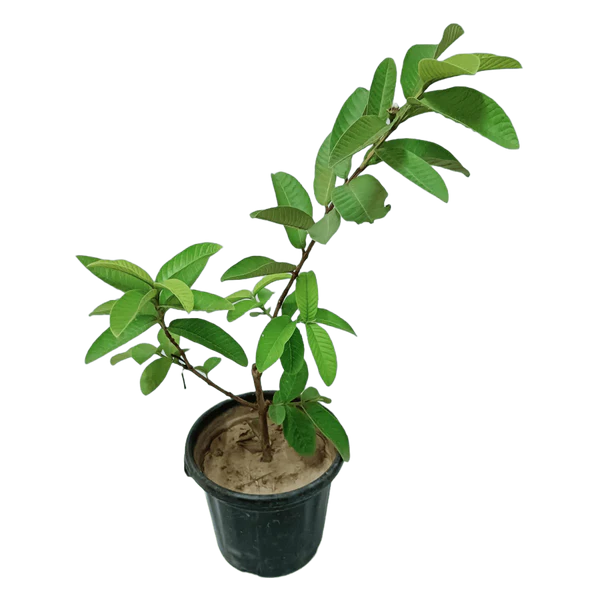
Guava cuttings need:
Indirect sunlight
Direct sun dries them out.
Warm temperature (25–30°C)
Cold slows rooting.
Moist soil
Check soil daily.
High humidity
Mist inside the dome if needed.
How Long Does Guava Rooting Take?
Roots usually appear in:
- 2–3 weeks: Callus formation
- 4–6 weeks: Roots visible
- 8–10 weeks: Strong plant
When new leaves grow, the cutting has rooted successfully.
Transplanting the New Guava Plant
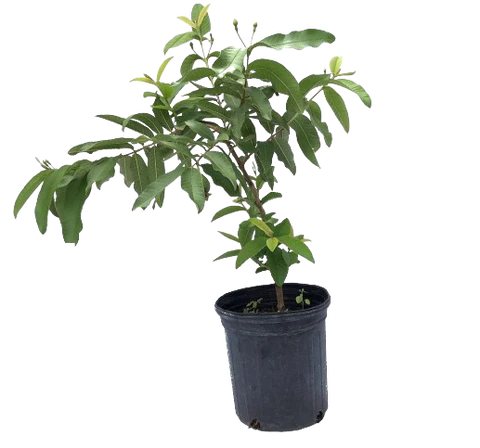
Once roots are 2–3 inches long, move the plant to a bigger pot.
Use a rich soil mix:
- 40% garden soil
- 40% compost
- 20% sand
Transplanting Steps
- Water the plant lightly
- Remove gently
- Place in new pot
- Fill with soil
- Press gently
- Water lightly
After Transplant Care
- Keep in shade for 5–7 days
- Then move to sunlight
- Water regularly
- Start feeding after 2 weeks
Tips for Higher Success Rate
Tip 1: Use fresh cuttings
Old stems root poorly.
Tip 2: Keep humidity high
Dry air kills cuttings.
Tip 3: Avoid disturbing cuttings
Let them root undisturbed.
Tip 4: Use natural hormones
Aloe vera and honey work great.
Tip 5: Keep soil clean
Fungal infections ruin cuttings.
Common Mistakes to Avoid
Overwatering
Direct sunlight
Using soft stems
Not using rooting hormone
Disturbing the cutting
Heavy soil
Avoiding these mistakes increases success dramatically.
Benefits of Growing Guava Trees at Home
Growing guava gives you:
- Fresh organic fruit
- Clean air
- Shade
- Aesthetic beauty
- Healthy snacks
- Cost savings
Guava trees can produce fruit for decades with proper care.
Conclusion: Grow Your Own Guava Tree Easily
Propagating a guava tree by cuttings is one of the easiest and most rewarding gardening techniques. With the right cutting, proper soil, humidity, and patience, you can grow a healthy plant that will fruit for years.
Whether you want to expand your garden, share plants with friends, or preserve a favorite variety, guava cuttings offer a simple solution.
Try this method once — and you’ll soon have multiple guava plants thriving in your home garden.