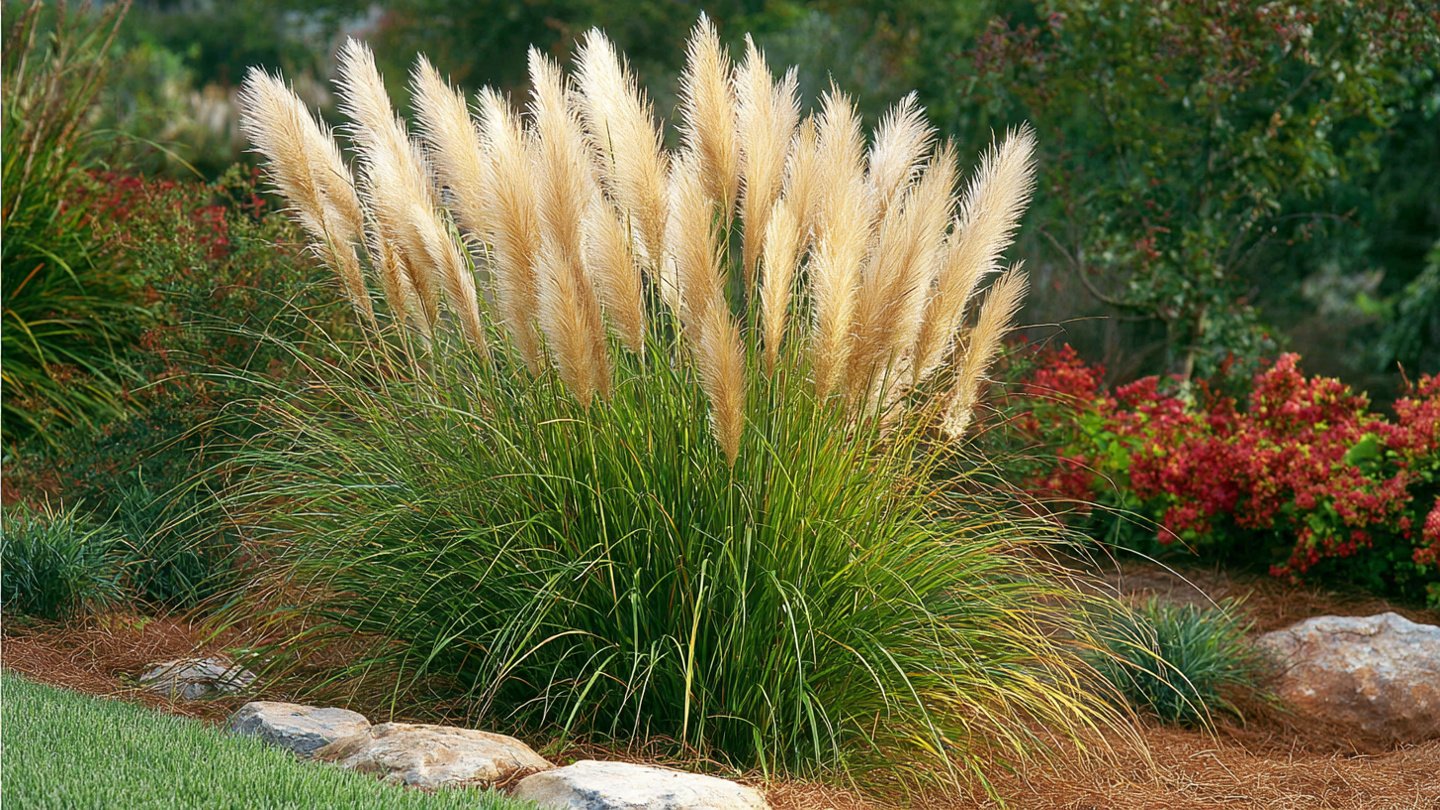
Dwarf Pampas Grass (Cortaderia selloana ‘Miniature’) is a striking ornamental grass that offers lush foliage and stunning plumes that add elegance to gardens and landscapes. Unlike its taller counterpart, dwarf pampas grass typically reaches heights of 3 to 6 feet, making it an ideal choice for smaller spaces or as a border plant. This guide will walk you through the essentials of growing dwarf pampas grass, including planting, care, pest management, and design tips to create breathtaking displays in your garden.
Understanding the Dwarf Pampas Grass
Before you start planting, it’s essential to understand a little about dwarf pampas grass.
Characteristics
- Height: Typically grows to 3-6 feet tall, making it suitable for various garden settings.
- Foliage: The leaves are long, narrow, and arching, offering lush green color year-round.
- Plumes: The feathery flower plumes appear from late summer to fall and can reach up to 2 feet in height, adding significant vertical interest to your garden.
Zones
Dwarf pampas grass thrives in USDA hardiness zones 7 to 11. It loves warm climates but can tolerate colder temperatures when planted in protected locations.
Choosing the Right Location
Sunlight
Dwarf pampas grass thrives in full sun, needing at least 6 hours of direct sunlight daily. A sunny location will promote the best growth and encourage the development of vibrant plumes.
Soil Requirements
This grass prefers well-draining soil that is slightly acidic to neutral (pH 6.0–7.0). While it can tolerate poor soils, enrich your garden bed with organic matter to encourage robust growth.
Spacing
When planting dwarf pampas grass, allow space for it to spread. Each plant should be spaced at least 3–5 feet apart to ensure adequate air circulation and light penetration.
Planting Dwarf Pampas Grass
When to Plant
The best time to plant dwarf pampas grass is in the spring after the last frost. This allows the roots to establish before the heat of summer arrives.
Steps to Planting
-
Prepare the Site: Clear the area of weeds, rocks, and debris. Loosen the soil with a spade or garden tiller.
-
Amend the Soil: Add compost or well-rotted manure to improve fertility and drainage.
-
Dig the Hole: Create a hole that is twice as wide as the root ball and the same depth.
-
Planting:
- Remove the dwarf pampas grass from its container.
- Gently loosen the roots if they are root-bound.
- Place the plant in the center of the hole and backfill with soil. Ensure that the crown of the plant (where the stem meets the roots) is level with the soil surface.
-
Watering: Water the newly planted grass thoroughly to settle the soil and eliminate air pockets.
Care and Maintenance
Watering
Dwarf pampas grass is relatively drought-tolerant once established. However, during the first growing season, deep watering once a week will help promote a robust root system. After that, you can reduce watering to biweekly or as needed, depending on rainfall and temperature.
Fertilization
Fertilize dwarf pampas grass in early spring with a balanced, slow-release fertilizer to support growth. A 10-10-10 NPK fertilizer is usually sufficient. Avoid over-fertilizing, which can lead to excessive leaf growth and fewer flowers.
Pruning
Pruning is essential for maintaining the plant’s shape and promoting new growth.
-
Early Spring: Before new growth emerges, cut back the previous year’s growth to about 12-18 inches. This helps to remove any dead foliage and allows for new shoots to flourish.
-
Deadheading: After the plumes have faded, it’s a good idea to deadhead them to maintain the plant’s appearance and prevent self-seeding.
Pest and Disease Management
Dwarf pampas grass is generally pest-resistant but can be susceptible to certain issues:
-
Pests: Watch for aphids and spider mites. These can be managed with insecticidal soap or neem oil.
-
Diseases: Root rot can occur if the soil is too wet. Ensure your planting area is well-draining to prevent this issue.
Landscape Design Tips
Focal Points
Use dwarf pampas grass as a focal point in your garden. Its height and texture can create beautiful contrast against shorter plants.
Borders and Edges
Dwarf pampas grass works well in borders or as a natural privacy screen. Space several plants evenly to create a lush, green buffer.
Mixed Planting
Combine dwarf pampas grass with perennials and annuals for a vibrant display. Plants like coneflowers, black-eyed Susans, and sedums pair beautifully due to their contrasting textures.
Seasonal Interest
Dwarf pampas grass provides year-round interest. The lush green foliage in spring and summer transitions to stunning plumes in the fall and winter, creating a dynamic visual throughout the year.
FAQs
1. How do I propagate dwarf pampas grass?
Propagation is typically done through division in the spring. Carefully dig up a mature plant and separate it into smaller clumps using a sharp spade. Replant the divisions in well-prepared soil.
2. Can I grow dwarf pampas grass in pots?
Yes, dwarf pampas grass can be grown in pots. Choose a container with excellent drainage and ensure it is large enough to accommodate the plant’s growth. Regular watering will be crucial as container plants can dry out more quickly.
3. Is dwarf pampas grass invasive?
While dwarf pampas grass is less invasive than the standard variety, it can still spread in ideal conditions. Regular maintenance and pruning can help control its growth and prevent unwanted spread.
4. What is the blooming season for dwarf pampas grass?
Dwarf pampas grass typically blooms from late summer to fall, producing feathery plumes that can last into winter.
5. Can I cut the plumes for floral arrangements?
Absolutely! The feathery plumes are perfect for floral arrangements. Cut them once they are fully mature for the best appearance.
6. How do I know if my dwarf pampas grass is healthy?
Healthy dwarf pampas grass will have vibrant green foliage, sturdy stems, and abundant flower plumes. If you notice yellowing leaves or stunted growth, check your watering practices and soil conditions.
Conclusion
Cultivating dwarf pampas grass can dramatically enhance the beauty of your garden. Its unique characteristics, coupled with relatively low maintenance, make it an excellent choice for both novice and seasoned gardeners. By understanding the plant’s requirements and incorporating design tips, you can create stunning displays that will captivate in every season. Whether used as a striking focal point or a complement to your garden’s landscape, dwarf pampas grass is sure to delight for years to come.