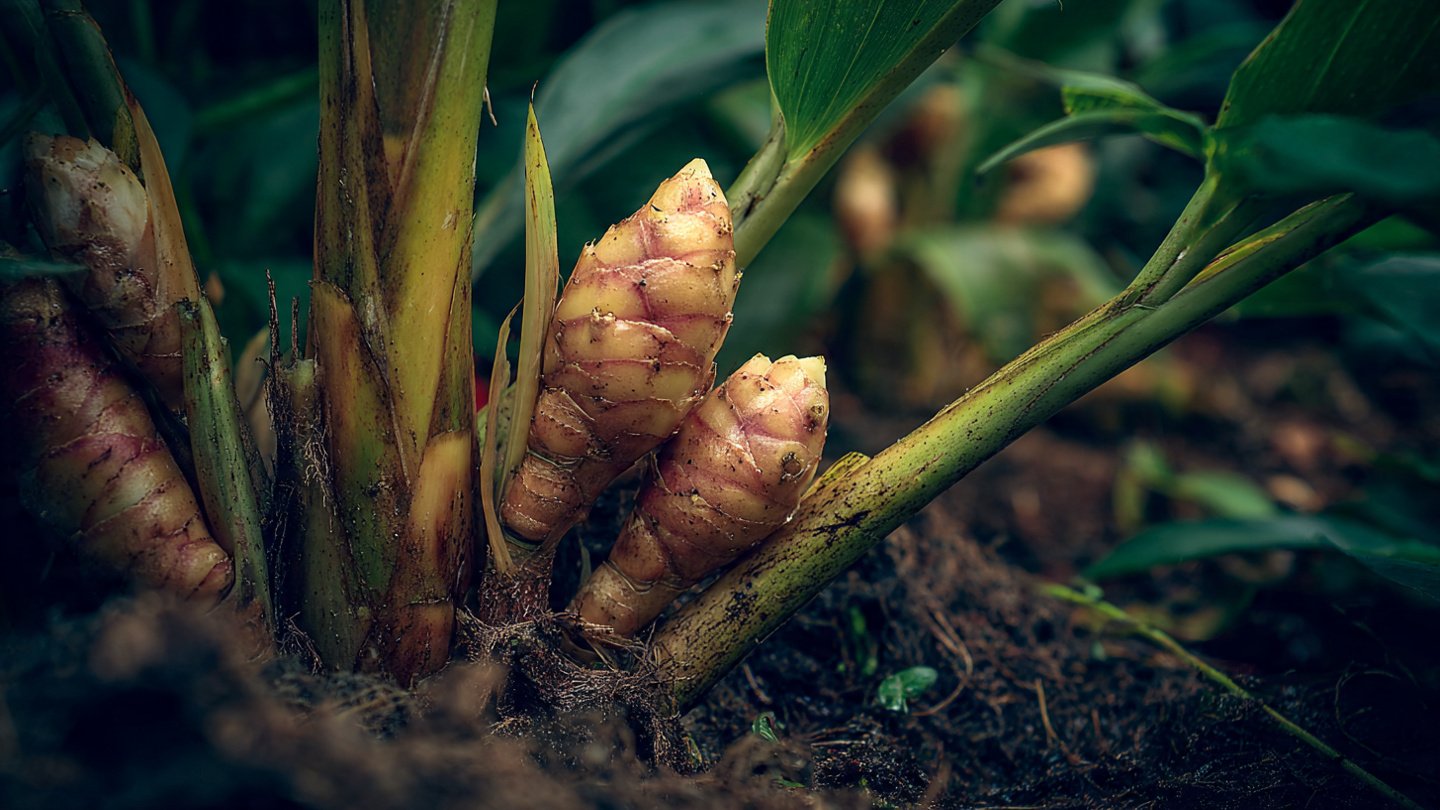
Growing organic ginger at home can be a rewarding experience, not just for the flavorful spice it produces, but also for the health benefits and the satisfaction of cultivating your own food. This guide will walk you through easy steps to grow ginger without needing complicated techniques.
Why Grow Ginger?
Ginger (Zingiber officinale) is a versatile plant used in cooking, baking, and herbal medicine. It’s known for its anti-inflammatory and antioxidant properties, which can aid digestion and soothe nausea. By growing your own ginger, you ensure that it is organic, fresh, and free of harmful chemicals.
Getting Started
Choosing the Right Variety
Before planting, it’s essential to choose the right ginger variety. Some popular types include:
- Common Ginger (Zingiber officinale): The most widely used and commonly found.
- Chinese Ginger: Known for its fragrance and milder flavor.
- Black Ginger: Used often in traditional medicine with a slightly more robust taste.
For home gardening, the common ginger variety is a great choice due to its availability and adaptability.
Selecting Seed Ginger
The best way to start growing ginger is by planting pieces of rhizome, known as seed ginger. Look for organic ginger rhizomes at your local nursery or grocery store. Choose pieces that have:
- Strong, healthy-looking appearance.
- Buds or growth nodes, which are small bumps on the surface.
Ensure that the ginger you purchase is organic and free from pesticides, as this impacts the final product.
Preparing Your Planting Container
Ginger thrives in warm, humid conditions. You can plant it in the ground, but using pots is an excellent choice for beginners.
- Container Size: Use wide and shallow pots (at least 12 inches deep) to allow the rhizomes to grow horizontally.
- Drainage: Ensure the pots have adequate drainage holes to prevent waterlogging. Ginger dislikes sitting in water.
Choosing the Right Soil
Ginger prefers loose, loamy soil that retains moisture but drains well. Here’s a simple potting mix recipe you can use:
- 1 part potting soil
- 1 part compost
- 1 part perlite or coarse sand
This mixture provides nutrients while allowing aeration and drainage, which is essential for healthy ginger growth.
Planting Ginger
- Timing: The best time to plant ginger is in spring when the temperature consistently stays between 70°F and 85°F (21°C to 29°C).
- Planting Depth: Cut the seed ginger into pieces, each having at least one or two buds. Plant these pieces about 2 inches deep and 8 inches apart in the pot.
- Orientation: Place the cut side down and the buds facing upward.
Watering
After planting, water the ginger thoroughly to settle the soil. Keep the soil consistently moist but not soggy. Watering once or twice a week should suffice, depending on the weather conditions.
Providing Light and Temperature
Ginger prefers indirect sunlight; too much direct sun can scorch the leaves. A bright, shaded spot or filtered light works best.
- Temperature: Ginger thrives in warm temperatures, making it perfect for indoor cultivation in cooler climates.
Fertilizing
Ginger benefits from regular feeding with organic fertilizers. Use a balanced, water-soluble fertilizer every 4-6 weeks during the growing season. Options include:
- Fish emulsion
- Seaweed extract
- Balanced organic fertilizer (10-10-10)
Controlling Pests and Diseases
Ginger is generally resistant to pests, but occasional issues can arise. Common pests include aphids and spider mites. Here are some simple remedies:
- Neem Oil: A natural pesticide that can help deter pests.
- Hand-Picking: For larger insects, manually removing them can be effective.
Preventing Diseases: Overwatering can lead to root rot, so ensure proper drainage and avoid letting the plant sit in soggy soil.
Harvesting Ginger
Ginger is ready to harvest in about 8-10 months, or when the leaves start to wilt and dry. Here’s how to harvest:
- Timing: Wait for the foliage to die back before harvesting for optimal flavor.
- Method: Gently dig around the rhizomes to loosen the soil. Be careful not to damage the ginger pieces.
- Storage: Fresh ginger can be used immediately or stored in a cool, dry place for a few weeks. If you want to save some for future planting, keep a few rhizome pieces with buds intact.
FAQs
1. How much ginger can I grow in a pot?
Depending on the pot size, you can typically grow 1-2 rhizomes per pot. Larger pots may yield more ginger.
2. Can I grow ginger in partial shade?
Yes, ginger prefers indirect light. A location with morning sun and afternoon shade is ideal.
3. What is the best way to store fresh ginger?
Keep fresh ginger in a paper bag in the refrigerator. It can last for several weeks this way.
4. Can I reuse the soil for ginger next season?
It’s best to refresh the soil annually to provide new nutrients and reduce the risk of disease. Mix in fresh compost before planting again.
5. How long can ginger be kept in the ground?
You can leave ginger in the ground for 10-12 months for a substantial harvest. Beyond that, the quality may decrease.
6. Can ginger plants grow indoors?
Ginger can thrive indoors with the right conditions: bright light, humidity, and warmth.
7. Is it better to grow ginger in soil or hydroponically?
Both methods can work, but growing in soil is simpler for beginners. Hydroponics requires more specific knowledge and maintenance.
8. What’s the difference between growing organic and non-organic ginger?
Organic ginger is cultivated without synthetic fertilizers and pesticides, resulting in a healthier product for you and the environment.
Final Thoughts
Growing organic ginger at home is a viable and enjoyable endeavor. With proper preparation and minimal techniques, you can successfully cultivate this remarkable plant. From your garden to your kitchen, you’ll enjoy the wonderful flavors and health benefits of fresh organic ginger. Happy gardening!