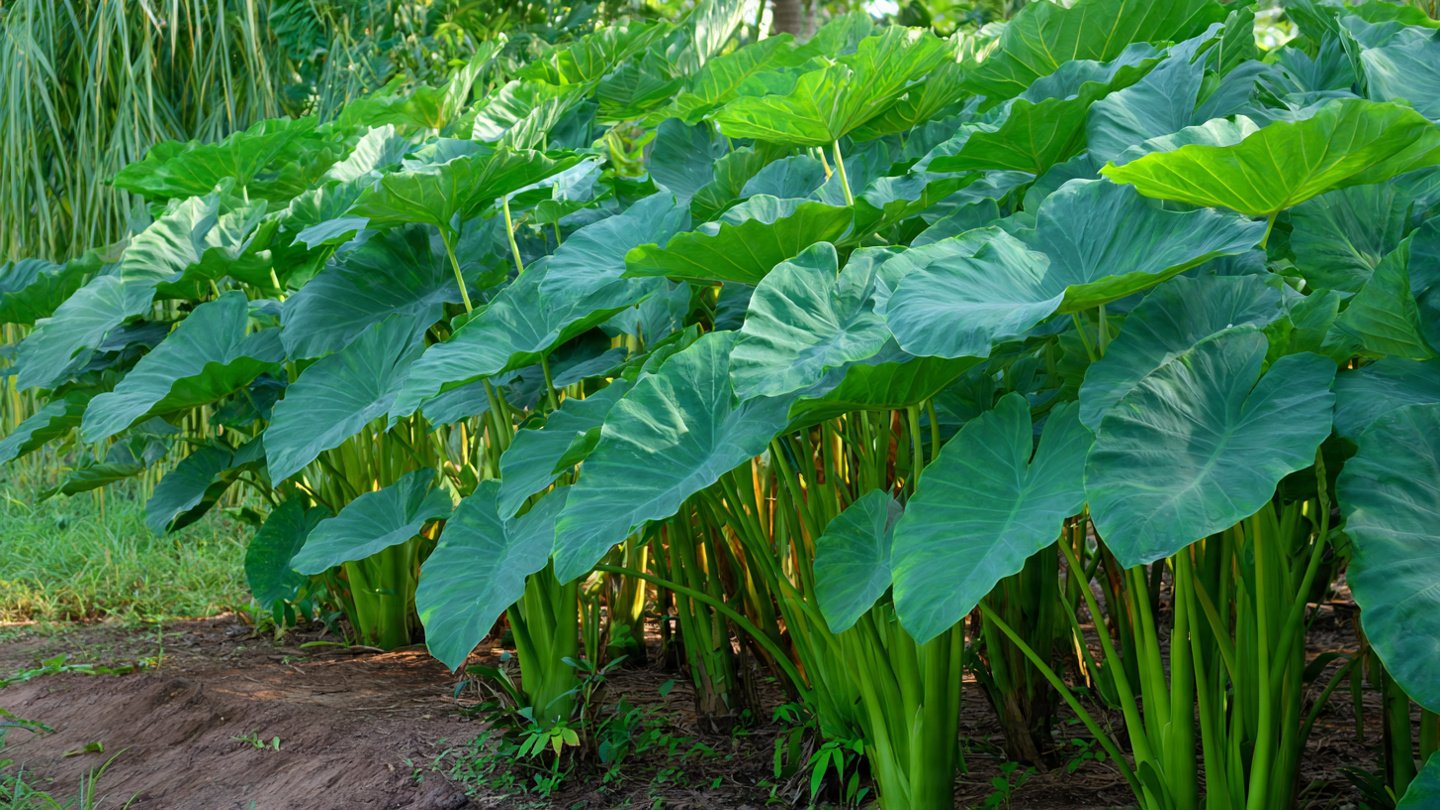
Taro (Colocasia esculenta) is a versatile and popular plant that hails from Southeast Asia and the Pacific Islands. Valued for its edible roots and heart-shaped leaves, taro not only adds a tropical flair to your garden but also brings culinary benefits. In this guide, we’ll explore how to grow taro plants, from selecting the right variety to harvesting, as well as addressing some common questions.
1. Understanding Taro
Taro is a tropical plant that thrives in warm climates. It grows from a corm, a bulb-like storage organ, and can reach heights of up to 6 feet. The two primary types of taro are dasheen, which is grown for its edible corm, and edible leaf taro, mainly cultivated for its leaves. The unique texture and flavor of taro make it a staple in various dishes such as soups, stews, and desserts.
Benefits of Growing Taro
- Culinary Uses: Taro is rich in carbohydrates and provides a good source of dietary fiber, vitamins, and minerals.
- Ornamental Appeal: With its large, glossy leaves and striking growth habit, taro can enhance the aesthetic appeal of your garden.
- Environmental Contribution: Taro can improve soil quality and supports biodiversity.
2. Selecting Taro Varieties
When selecting a taro variety for your garden, consider your climate and purpose for growing:
2.1 Common Varieties
- Bunlong: Known for its high yield and large corms, suitable for regions with ample rainfall.
- Burgundy: A popular variety for its colorful stems and leaves; excellent as an ornamental plant.
- Purple: Grown for its unique color and smooth texture, ideal for culinary uses.
2.2 Climate Considerations
Taro thrives in USDA zones 8-11 but can be grown in containers, allowing for mobility in colder regions. If your area’s temperature drops below 50°F (10°C), consider starting taro indoors and transplanting it outside once the danger of frost has passed.
3. Preparing Your Garden
3.1 Choosing the Right Location
Taro prefers partially shaded to full sun conditions, although it can tolerate light shade. Aim for:
- Well-Draining Soil: Taro plants dislike waterlogged soil.
- Access to Water: Regular watering is crucial for optimal growth.
3.2 Soil Preparation
Taro thrives in rich, loamy soils. Follow these steps to prepare your soil:
- Test the Soil: Check pH and nutrient levels. Taro prefers a pH of 5.8–6.5.
- Amend the Soil: Incorporate organic matter such as compost or well-rotted manure to improve fertility.
- Tilling: Break up hard soil to improve drainage and root growth.
4. Planting Taro
4.1 Obtaining Taro Corms
Select healthy corms, ideally those that are 4-8 inches long. Make sure they are firm and free of mold or blemishes; you can purchase them from garden centers or farmers’ markets.
4.2 Planting Process
- Cutting the Corms: If corms are large, you can cut them into pieces (each with at least one “eye”) to propagate multiple plants.
- Digging Holes: Plant corms 2-4 inches deep, spaced 3-4 feet apart, depending on the variety.
- Watering After Planting: Thoroughly water the planted corms to ensure good contact with the soil.
4.3 Ideal Planting Time
The best time to plant taro is in the spring after the last frost. In tropical regions, you can plant taro year-round.
5. Caring for Taro Plants
5.1 Watering
Taro requires consistently moist soil, especially in warm weather. Water daily in dry conditions, ensuring the soil stays damp but not waterlogged.
5.2 Fertilizing
Taro benefits from regular feeding:
- Organic Fertilizers: Use a balanced fertilizer high in potassium, like fish emulsion or liquid seaweed, every 4-6 weeks.
- Avoid Over-Fertilization: Too much nitrogen can lead to lush foliage at the expense of corm development.
5.3 Weed and Pest Management
Keep weeds at bay, as they compete for nutrients and water. Hand-pulling is effective, or use mulching techniques.
Common pests include:
- Aphids: Apply insecticidal soap.
- Leafhoppers: Use neem oil for effective control.
5.4 Protecting from Frost
If you live in a cooler climate, consider covering your plants with frost cloth at night during low-temperature spells, or consider growing them in pots that can be moved indoors.
6. Harvesting Taro
6.1 When to Harvest
Taro typically takes 7-12 months to mature. Look for changes in the leaves, which may yellow and die back as the plant prepares for harvest.
6.2 Harvesting Techniques
- Loosening the Soil: Carefully dig around the plant base without damaging the corms.
- Pulling the Corms: Gently pull the corms from the soil and remove any residual soil.
- Curing: Allow harvested corms to sit in a cool, dry place for a few days to cure, improving their flavor and storage capacity.
6.3 Storing Taro
Store harvested corms in a cool, dry location. Properly cured corms can last for several weeks to months, depending on the storage environment.
7. Culinary Uses of Taro
Taro can be prepared in various ways, adding unique flavors and textures to your meals:
- Boiling and Mashing: Similar to potatoes, boiled taro can be mashed and seasoned.
- Frying and Roasting: Taro fries and roasted cubes make excellent snacks or side dishes.
- Culinary Delicacies: Enjoy taro in desserts like taro bubble tea, or use its leaves in stews and soups.
FAQs
Q1: Can I grow taro in a container?
Yes! Taro grows well in large containers, allowing flexibility in managing sunlight and temperature. Ensure that your container has drainage holes.
Q2: Is taro easy to grow?
Taro is relatively easy to grow if given the right conditions. A warm, humid environment and ample water will support healthy growth.
Q3: How long does it take for taro to grow?
Taro typically takes around 7-12 months from planting to harvest, depending on environmental conditions.
Q4: Are taro leaves edible?
Yes, taro leaves are edible and can be cooked in a variety of dishes, but they should always be cooked, as raw leaves can be irritating due to calcium oxalate crystals.
Q5: What should I do if my taro plant is turning yellow?
Yellowing leaves may indicate overwatering, nutrient deficiency, or pest issues. Ensure that the soil drains well and adjust your watering routine to avoid root rot.
Q6: How do I prepare taro for cooking?
Before cooking, peel the taro corms to remove the tough skin, and cut them into the desired shape (slices, cubes, etc.). Always cook taro thoroughly, as raw taro can be toxic.
Q7: Can taro be grown in cooler climates?
While taro prefers warm climates, you can grow it in cooler regions by starting it indoors and moving it outside during warmer months, or by using frost protection measures.
Conclusion
Growing taro can add a unique tropical touch to your garden while providing delicious culinary options. With proper care and attention to its specific needs, you can harvest this nutritious plant, enriching both your garden and your palate. Happy gardening!