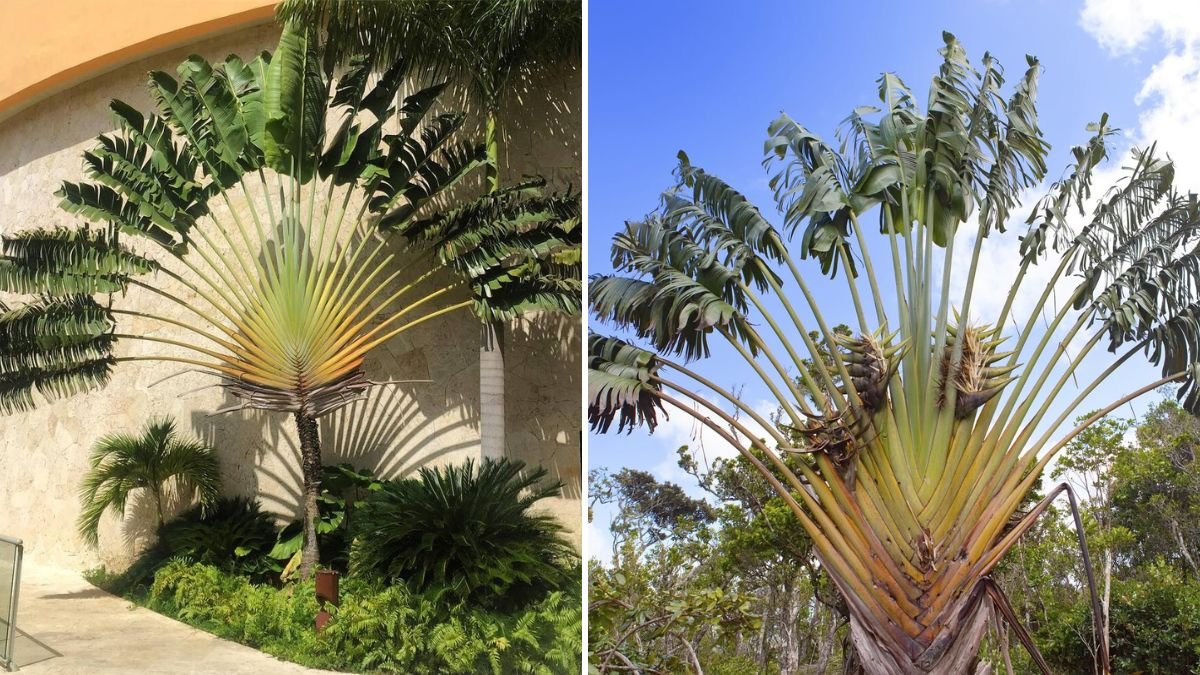
The Traveller Palm (Ravenala madagascariensis) is a striking tropical plant known for its unique appearance and impressive size. Originating from Madagascar, this plant is noted for its fan-like leaves and can reach heights of up to 30 feet. While it is typically grown in tropical climates, it can be cultivated indoors or in warmer regions. This guide will help you understand the essentials of growing and caring for your Traveller Palm plant.
Table of Contents
- Understanding the Traveller Palm
- Choosing the Right Location
- Soil Requirements
- Watering Needs
- Temperature and Humidity
- Fertilizing the Traveller Palm
- Propagation Techniques
- Common Pests and Diseases
- Pruning and Maintenance
- Frequently Asked Questions (FAQs)
1. Understanding the Traveller Palm
The Traveller Palm gets its name from the way its large, paddle-shaped leaves align in a fan. These leaves can gather rainwater, which can be drunk by passing travelers. The plant is not a true palm, but a member of the Strelitziaceae family. It is an excellent choice for adding a tropical touch to your home or garden.
Key Features:
- Height: Can grow up to 30 feet in ideal conditions.
- Leaves: Long, fan-shaped leaves that can reach lengths of 8 feet.
- Flowers: Produces stunning flowers, typically white or light blue, that attract pollinators.
2. Choosing the Right Location
When selecting a location for your Traveller Palm, consider the following factors:
- Light Requirements: The plant thrives in bright, indirect sunlight. Too much direct sunlight can scorch the leaves, while too little can slow growth significantly.
- Indoor vs. Outdoor: If you’re growing it indoors, a south or west-facing window is ideal. For outdoor plants, choose a spot with dappled sunlight or partial shade.
3. Soil Requirements
The soil you choose is critical for the health of your Traveller Palm. Here are some essential tips:
- Well-Draining Soil: A sandy or loamy soil mix is ideal, as it helps prevent waterlogging.
- pH Level: The soil should have a pH level between 6.0 and 7.5, which is suitable for most houseplants.
- Soil Mix: Consider using a potting mix combined with perlite or sand to enhance drainage.
4. Watering Needs
Proper watering is crucial to the health of your Traveller Palm. Here’s how to manage it effectively:
- Watering Frequency: Allow the top 2-3 inches of soil to dry out before watering again. During the growing season (spring and summer), you may need to water more frequently.
- Signs of Overwatering: Yellowing leaves or a mushy stem can indicate overwatering. Adjust your watering schedule if these symptoms appear.
- Water Quality: Use room temperature, filtered, or rainwater for the best results.
5. Temperature and Humidity
Traveller Palms thrive in warm and humid environments. Here are some temperature tips:
- Ideal Temperature: The optimal temperature range is between 65°F to 85°F (18°C to 29°C).
- Humidity Levels: This plant loves humidity. If you’re growing it indoors, consider using a humidifier or placing a pebble tray filled with water underneath the pot to maintain humidity levels.
6. Fertilizing the Traveller Palm
Feeding your Traveller Palm will encourage healthy growth and vibrant foliage. Follow these guidelines:
- Fertilizer Type: Use a balanced, water-soluble fertilizer every 4-6 weeks during the growing season.
- Dilution: Dilute the fertilizer to half-strength to avoid root burn.
- Signs of Nutrient Deficiency: Yellowing leaves or poor growth can indicate a lack of nutrients.
7. Propagation Techniques
Propagating your Traveller Palm can be a rewarding experience. Here are a couple of techniques:
- Seed Propagation: You can grow new plants from seeds, which should be soaked in water for 24 hours before planting. Use a seed-starting mix and keep the soil moist.
- Division: If you have a mature plant, it can be divided into smaller sections during repotting. Ensure each section has enough roots and foliage.
8. Common Pests and Diseases
Your Traveller Palm can be susceptible to pests and diseases. Here’s how to identify and manage them:
- Common Pests: Look out for spider mites, mealybugs, and scale insects. Regularly inspect your plant for signs of infestation.
- Treatment: Use insecticidal soap or neem oil for effective treatments. Ensure you follow the instructions carefully.
- Diseases: Fungal infections can manifest through yellowing leaves and root rot can occur from overwatering. Ensure proper drainage to prevent these issues.
9. Pruning and Maintenance
Regular maintenance will keep your Traveller Palm looking stunning:
- Pruning: Remove yellow or dead leaves to encourage healthy growth. You can also prune to control size and shape.
- Cleaning Leaves: Dust can accumulate on the large leaves, so wipe them gently with a damp cloth to keep them clean and allow maximum sunlight absorption.
10. Frequently Asked Questions (FAQs)
Q: How fast does the Traveller Palm grow?
- A: Under ideal conditions, it can grow up to 3 feet per year.
Q: Can I grow a Traveller Palm indoors?
- A: Yes, as long as it gets enough indirect sunlight and humidity.
Q: What size pot do I need for my Traveller Palm?
- A: Choose a pot that is at least 2-3 inches larger in diameter than the current one, ensuring it has drainage holes.
Q: Does the Traveller Palm produce edible fruit?
- A: No, the fruit is not edible, but the leaves are sometimes used in crafts.
Q: How can I increase humidity for my indoor Traveller Palm?
- A: Use a humidifier or place a tray of water near the plant to maintain moisture levels.
Q: Is the Traveller Palm toxic to pets?
- A: No, the Traveller Palm is considered non-toxic to both cats and dogs.
Q: When is the best time to repot a Traveller Palm?
- A: Spring is the best time to repot, as it coincides with the plant’s growing season.
Q: How can I tell if my Traveller Palm is getting too much sun?
- A: Yellow or scorched leaves can indicate too much direct sunlight.
Conclusion
Growing a Traveller Palm plant at home can be an exciting endeavor that adds beauty and a tropical feel to your space. By understanding its requirements for light, water, and care, you can cultivate a thriving plant that stands out. With the right attention, your Traveller Palm can be a stunning feature in your home or garden, enchanting anyone who encounters it. Happy gardening!