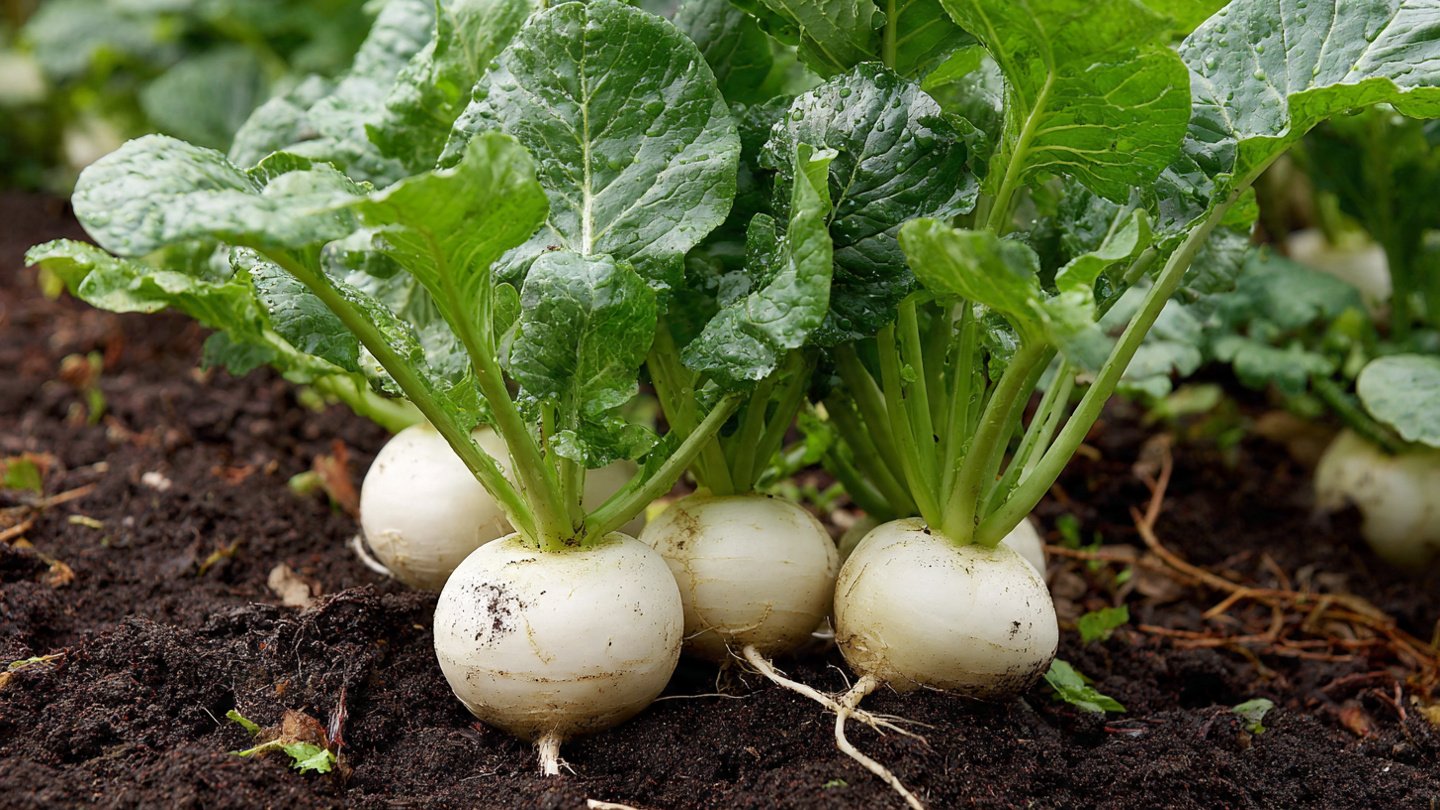
Simple Guide to Growing Turnip White Variety in Your Garden
Growing vegetables in your garden can be a rewarding experience. Among the diverse range of vegetables, the turnip white variety stands out for its ease of cultivation and versatility in various dishes. This guide will cover all you need to know to successfully grow turnips, from preparing your garden soil to harvesting and storage, along with a frequently asked questions (FAQs) section at the end.
Understanding Turnips
Turnips (Brassica rapa) are root vegetables typically characterized by their edible bulbous roots, which come in various colors and sizes. The white turnip variety is particularly favored for its mild flavor and tender texture. Often used in soups, stews, salads, and as a roasted vegetable, its versatility makes it a staple in numerous cuisines.
Choosing the Right Location
Turnips thrive in well-drained, fertile soil and prefer full sunlight, which means they should receive at least six hours of direct sunlight daily. Choose a flat area in your garden where water does not tend to pool. If your soil is too compacted, consider planting in raised beds to promote better drainage.
Preparing the Soil
-
Soil Testing: Before planting, it’s a good idea to test your soil. Turnips prefer a pH between 6.0 and 7.5. You can purchase a soil test kit from a local garden center or extension service.
-
Improving Soil Quality: Turnips need nutrient-rich soil. Amend your soil by mixing in well-rotted manure or compost to improve its fertility. This not only provides the nutrients they require but also enhances soil structure.
-
Tilling: To a depth of at least 12 inches, till the soil to break up compacted layers, ensuring good drainage and root development. Remove any rocks, weeds, or debris.
Planting Turnips
-
When to Plant: Turnips can be planted in early spring (usually 2-4 weeks before the last frost) or late summer (6-8 weeks before the first frost). This staggered planting helps ensure a steady harvest.
-
Sowing Seeds: Create rows spaced about 12-18 inches apart. Sow the seeds about 1/2 inch deep and 2-4 inches apart in the row. Once seedlings are approximately 2-3 inches tall, thin them out to about 6 inches apart to allow proper growth.
Watering and Fertilizing
-
Watering: Turnips require consistent moisture, especially during their growth period. Aim for about 1 inch of water per week, either through rainfall or irrigation. Avoid waterlogging by ensuring proper drainage.
-
Fertilizing: If you amended your soil thoroughly before planting, additional fertilization may not be necessary. However, if you notice slower growth or yellowing leaves, consider applying a balanced fertilizer (10-10-10) as per package instructions.
Caring for Turnips
-
Weed Control: Regularly check for weeds, which can compete for nutrients and water. Hand-pulling is effective, or you can use mulch to suppress weed growth.
-
Pest Management: Watch out for common pests such as aphids, cabbage loopers, and root maggots. Use organic insecticides or neem oil if infestations occur. Planting companion plants, such as marigolds, can help deter pests naturally.
-
Disease Management: Turnips can be susceptible to diseases such as downy mildew and clubroot. Rotate your crops yearly and avoid planting turnips in the same location as other brassicas.
Harvesting Turnips
-
Timing: Typically, turnips are ready to be harvested about 30-60 days after sowing, depending on the variety and growing conditions. The optimal size for harvesting is generally 2-4 inches in diameter.
-
Harvesting Technique: Gently grasp the base of the turnip and pull it straight up. Avoid twisting, as this can damage the roots or disrupt surrounding plants.
-
Post-Harvest Care: After harvesting, remove any foliage and store the turnips in a cool, dry place. They can be stored in the refrigerator for several weeks.
Storing Turnips
To maximize the freshness of your turnips, consider the following:
-
Refrigeration: Unwashed turnips can be stored in the vegetable crisper of your fridge for up to 2-3 weeks.
-
Root Cellar: If you live in a climate with a suitably cool basement or root cellar, turnips can be stored for months by burying them in sand to prevent moisture loss.
Cooking with Turnips
Turnips can be enjoyed in various dishes:
-
Roasted: Toss cut turnips with olive oil, salt, and pepper, and roast in the oven until golden and tender.
-
Mashed: Boil and mash turnips with butter and cream for a delicious side dish.
-
Soups and Stews: Add diced turnips to soups for an added layer of flavor and nutrition.
-
Salads: Thinly slice raw turnips for added crunch in salads.
FAQs
1. Can I grow turnips in containers?
Yes, turnips can be grown in containers as long as the pot is deep enough to accommodate their roots (at least 12 inches deep).
2. What should I do if my turnips are small?
If your turnips aren’t growing to their expected size, it might be due to overcrowding, lack of water, or insufficient nutrients. Ensure proper spacing and adequate moisture.
3. Are turnips frost-tolerant?
Yes, turnips are frost-tolerant and can withstand light freezes. In fact, the flavor becomes sweeter after exposure to frost.
4. How often should I check for pests?
Inspect your plants at least once a week for signs of pests or diseases. Early detection can prevent significant damage.
5. What should I do with turnip greens?
Turnip greens are edible and highly nutritious. They can be sautéed, added to soups, or prepared like other leafy greens.
6. Can I save seeds from my turnips?
Yes, you can save seeds, but it requires that you allow a few turnips to flower and go to seed. Be cautious of hybrid varieties as they may not produce true-to-type offspring.
Conclusion
Growing the white turnip variety is a rewarding and straightforward gardening endeavor. With a little preparation and care, you can enjoy a bountiful harvest of this versatile and nutritious vegetable. Whether you’re roasting them, tossing them in a salad, or mashing them for a comforting side dish, turnips will enhance your culinary repertoire. Happy gardening!