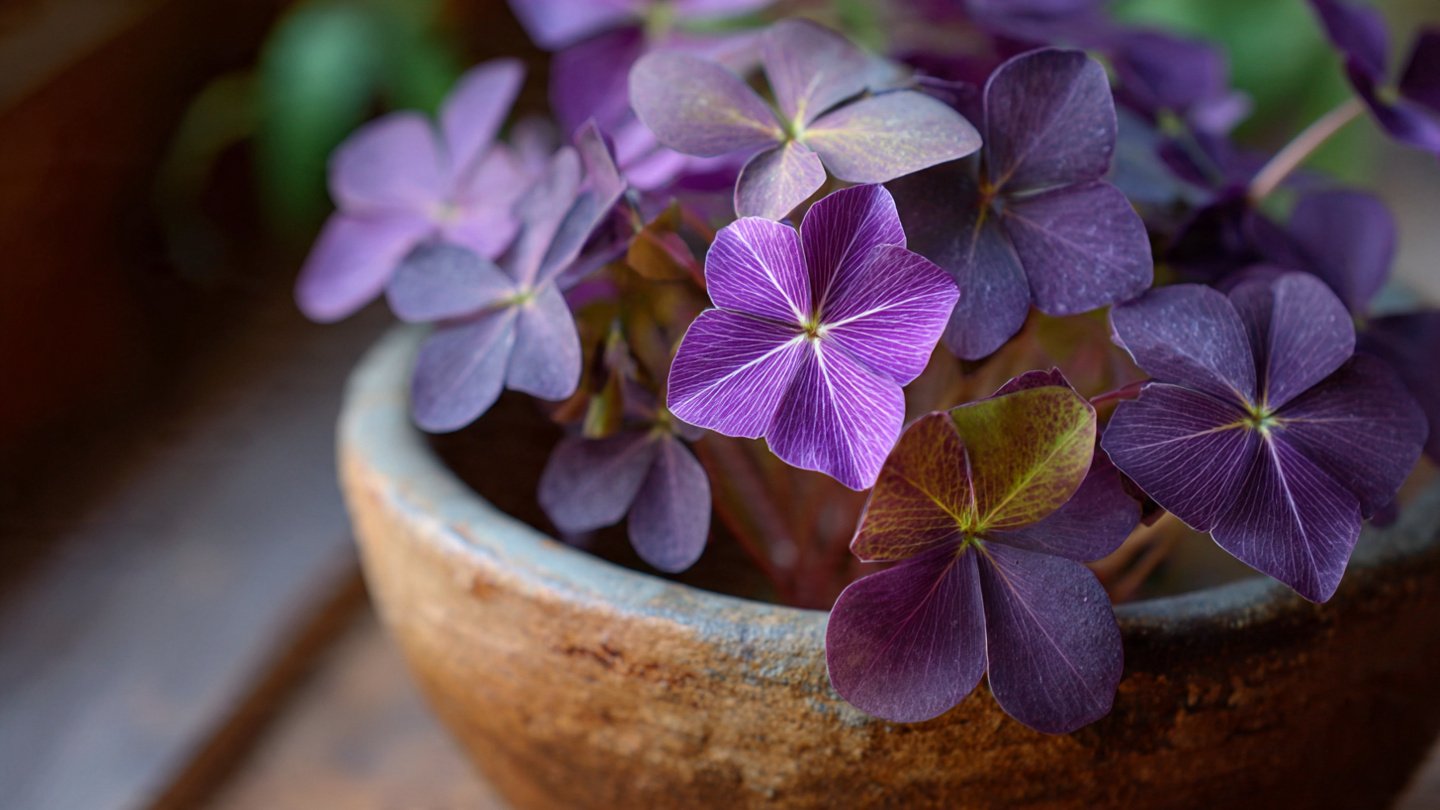
The purple shamrock plant, scientifically known as Oxalis triangularis, is an enchanting perennial often admired for its striking, dark purple leaves and delicate white or pink flowers. Native to Brazil, this plant has gained popularity as a houseplant and ornamental garden addition due to its unique aesthetics and ease of care. Growing purple shamrocks in containers offers the added benefit of portability, allowing you to showcase them in different locations around your home or garden. This guide will provide you with everything you need to know about successfully growing purple shamrock plants in containers.
Understanding Purple Shamrock Plants
Characteristics
Purple shamrock plants are characterized by their distinctive trifoliate leaves, reminiscent of a clover. The leaves fold up during the night and open during the day, making them a captivating addition to any space. The plant can reach a height of about 12 inches and spread similarly across the surface.
The flowers, while modest, add a charming touch, typically blooming in the spring and summer months. Each flower has five petals, which can be white, pink, or pale purple.
Life Cycle and Dormancy
One fascinating aspect of the purple shamrock is its dormancy cycle. In the fall, as temperatures drop and light levels decrease, the plant may enter dormancy, causing the leaves to die back. Don’t worry—this is a natural process! With proper care, your plant will return in the spring, bringing fresh foliage and blooms.
Choosing the Right Container
Size and Material
When selecting a container for your purple shamrock, choose one that is at least 6 to 8 inches in diameter. Ensure it has drainage holes at the bottom to prevent root rot. Common materials used for pots include terracotta, ceramic, and plastic, each with its advantages.
- Terracotta: Great for breathability but can dry out quickly.
- Ceramic: Offers aesthetic appeal and moisture retention but may retain heat.
- Plastic: Lightweight and affordable; however, it may encourage overly wet conditions.
Placement
Select a location that receives bright, indirect sunlight. Direct sunlight can scorch the leaves, while too little light can hinder growth. Windowsills or spots with filtered light are generally ideal.
Potting Soil and Fertilization
Soil Requirements
Use a well-draining potting mix that is slightly acidic. A mix designed for houseplants, combined with perlite or orchid bark, can enhance drainage and aeration.
Fertilization Schedule
Fertilize your purple shamrock plant every 4-6 weeks during the growing season (spring and summer) using a balanced, water-soluble fertilizer diluted to half strength. This practice promotes lush foliage and flowering. Reduce fertilization during fall and winter when the plant is in dormancy.
Watering Your Purple Shamrock
Watering Guidelines
Water the plant when the top inch of soil feels dry. Overwatering is a common mistake, leading to root rot. Ensure that excess water can drain out of the pot.
Signs of Overwatering and Underwatering
- Overwatering: Yellowing leaves, a mushy stem, and an unpleasant smell from the soil.
- Underwatering: Wilting leaves, dry soil, and crispy leaf edges.
Adjust your watering schedule accordingly, as factors like humidity, temperature, and pot size can affect moisture retention.
Temperature and Humidity
Optimal Conditions
Purple shamrocks prefer temperatures between 60°F and 75°F (15°C to 24°C). They can tolerate slightly cooler or warmer conditions but should be protected from frost and extreme heat.
Humidity Preferences
While these plants are relatively tolerant of average household humidity, they thrive in higher humidity levels of around 50% to 60%. If your environment is particularly dry, consider misting the plant or placing it on a tray filled with pebbles and water for increased humidity.
Pruning and Maintenance
Pruning Tips
Prune your purple shamrock in late winter or early spring to promote new growth. Remove any dead or yellowing leaves to enhance the plant’s appearance.
Repotting
Repot your purple shamrock every 2-3 years or when it becomes root-bound. Choose a slightly larger pot and refresh the soil to provide the plants with ample nutrients.
Propagation Methods
Division
The easiest way to propagate a purple shamrock is through division. When repotting, gently separate the bulbs (or rhizomes) and plant them in separate containers with fresh soil.
Leaf Cuttings
While less common, you can also propagate through leaf cuttings. Cut a leaf with a bit of the stem and place it in water until roots develop.
Dealing with Pests and Diseases
Common Pests
Keep an eye out for aphids, spider mites, and mealybugs. Treat infestations promptly with insecticidal soap or neem oil.
Diseases
Overwatering can lead to fungal diseases. Ensure proper drainage and avoid water accumulation to prevent these issues.
FAQs
1. How often should I water my purple shamrock?
Water your purple shamrock when the top inch of soil feels dry, typically every 1-2 weeks, depending on environmental conditions.
2. How can I encourage blooming?
Ensure your plant receives adequate light and nutrients. Fertilizing during the growing season and maintaining consistent moisture can help promote blooming.
3. What should I do during dormancy?
Allow your plant to go dormant without stress. Reduce watering significantly and place it in a cooler, darker area as it dries back.
4. Is purple shamrock toxic to pets?
Yes, purple shamrock can be toxic to dogs and cats if ingested. Keep it out of reach of pets and monitor them around the plant.
5. Can I grow purple shamrock outdoors?
Yes, purple shamrocks can be grown outdoors in warmer climates (USDA Zones 7-10). Ensure they have partial shade and protection from extreme temperatures.
6. Why are my leaves turning yellow?
Yellowing leaves can indicate overwatering, underwatering, or a lack of nutrients. Check your watering routine and consider fertilizing if you haven’t done so recently.
7. How can I increase humidity for my purple shamrock?
You can increase humidity by misting the plant, using a humidifier, or placing a water tray with pebbles beneath the pot to ensure the plant receives adequate moisture.
8. Can I keep my purple shamrock indoors during winter?
Yes, purple shamrocks are well-suited for indoor growth during winter, as long as they receive sufficient light and temperature control to prevent freezing.
Conclusion
Growing purple shamrock plants in containers offers a delightful balance of beauty and ease. From understanding the basic care requirements to knowing how to propagate and maintain your plant, this guide serves as an essential resource for both novice and experienced gardeners. So, embrace the allure of purple shamrock plants in your home and enjoy their captivating presence! Happy gardening!