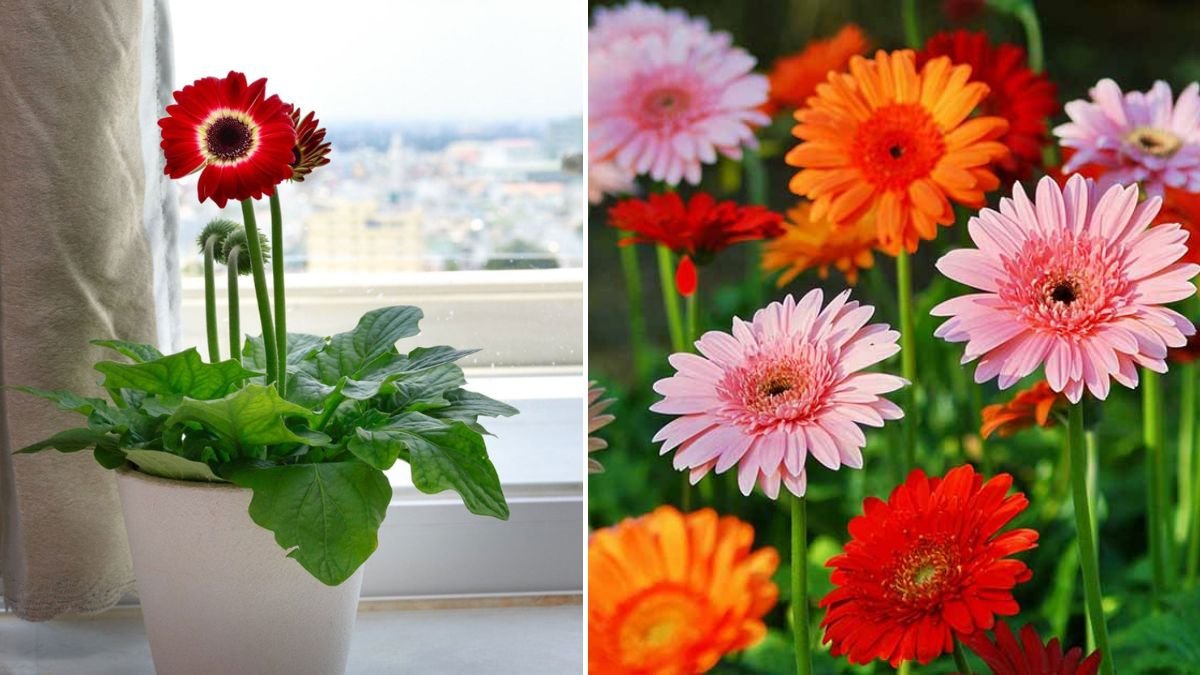
Gerbera daisies, known for their bright and cheerful blooms, are popular flowers cherished by many gardeners. These vibrant perennials can brighten up any room, making them perfect for indoor growing. However, successfully growing gerbera flowers indoors requires specific conditions and care. This guide will take you through the essentials of cultivating these stunning flowers indoors, particularly next to a window.
Why Choose Gerbera Daisies?
Gerbera daisies are famous for their large, vibrant blooms and variety of colors, including yellow, pink, orange, and white. They are part of the Asteraceae family and are native to South Africa, bringing a touch of exotic beauty to home gardens. Here are a few compelling reasons why you might want to grow gerbera flowers indoors:
- Aesthetic Appeal: The bright colors and large flowers can enhance the appearance of any room.
- Air Quality: Some studies suggest that indoor plants can help improve air quality.
- Cut Flowers: Gerberas make excellent cut flowers, allowing you to enjoy their beauty inside homes as well as in vases.
- Scent: While they aren’t known for a strong scent, some varieties emit a sweet fragrance that can subtly enhance the atmosphere of your home.
Choosing the Right Window Location
1. Light Requirements
Gerberas thrive in bright, indirect sunlight. Placing them in a spot that receives at least six hours of light daily is ideal. Windows facing east or west are generally best since they provide ample morning and afternoon light while avoiding the harsh midday sun.
2. Avoiding Direct Sun
While gerberas enjoy sunlight, prolonged exposure to direct sunlight can lead to wilting or scorched leaves. Ensure a location that allows for filtered light. You can achieve this by placing sheer curtains over the window or positioning the plant a few feet back to minimize harsh rays.
Soil and Pot Selection
1. Choosing the Right Pot
Opt for pots with drainage holes to prevent root rot. Clay or terracotta pots are great for allowing moisture to escape, which helps maintain the health of your gerbera flowers.
2. Soil Requirements
Select a well-draining potting mix enriched with organic matter. A mixture formulated for flowering plants that includes peat moss, perlite, and vermiculite is recommended. This will facilitate quick drainage while providing the nutrients your flowers need to thrive.
Watering Practices
1. Understanding Water Needs
Gerberas require consistent moisture, but they do not like to sit in water. Water the plant when the top inch of soil feels dry. Typically, this means watering roughly once a week, but this can vary depending on the climate and season.
2. Best Watering Method
When watering, aim to moisten the soil thoroughly but avoid overwatering. Allow excess water to drain from the bottom. Be cautious of water pooling in the saucer beneath the pot, as this can lead to root rot.
Fertilization
Gerberas benefit from monthly fertilization during the growing season (spring and summer). Use a balanced, water-soluble fertilizer that promotes blooming. Follow the manufacturer’s instructions to ensure proper dilution and application rates.
Pruning and Maintenance
1. Deadheading
To encourage continued blooming, regularly deadhead your gerbera flowers. Remove spent blooms by snipping them at the base. This process prevents the plant from directing energy into seed production and promotes healthier growth.
2. Leaf Care
Inspect the leaves for brown tips or spots, which may indicate issues such as underwatering, overwatering, or pests. Trim any damaged leaves to maintain the plant’s overall health and aesthetic appeal.
Pests and Diseases
1. Common Pests
Keep an eye out for aphids, spider mites, and whiteflies. These pests can damage your gerbera flowers if left untreated. You can eliminate them using insecticidal soap or neem oil as a natural treatment.
2. Fungal Issues
Fungal diseases such as powdery mildew can also affect gerberas. Ensure proper airflow around the plant and avoid overhead watering to minimize moisture on the leaves. If you notice any signs of fungal infections, treat them promptly with a fungicide.
Appropriate Temperature and Humidity
1. Temperature Preference
Gerberas thrive in temperatures between 65°F and 75°F (18°C to 24°C). They are sensitive to extreme temperature fluctuations, so it is essential to maintain a stable environment. Avoid placing them near heating vents or drafty windows during colder months.
2. Humidity Needs
While gerbera daisies do prefer humid environments, too much humidity can promote fungal growth. Aim for a relative humidity level of around 50-60%. If your home is too dry, consider using a humidifier or placing a water tray with pebbles near the plants.
Seasonal Care Tips
1. Winter Care
During the winter months, gerberas may go dormant. Reduce watering and stop fertilizing to allow the plant to rest. Ensure they continue to receive sufficient light to avoid spindly growth.
2. Repotting
Repot gerberas every couple of years or when they outgrow their current containers. This will give the roots more room to expand and refresh the soil nutrients.
Propagation Methods
You can propagate gerbera daisies by division or from seeds:
1. Division
In spring, when repotting, you can divide established plants into smaller sections. Ensure each section has a healthy root system, and replant them immediately into fresh soil.
2. Seeds
Growing from seeds involves starting them indoors 8 to 10 weeks before the last frost. Plant them in a seed-starting mix, keeping them moist and warm until they germinate.
FAQ Section
1. Can gerbera daisies grow in low light?
Gerbera daisies require bright, indirect light to thrive. They may survive in low-light conditions but won’t produce as many blooms.
2. How often should I water my gerbera indoors?
Water your gerbera when the top inch of soil feels dry, which is typically about once a week. Adjust frequency based on climate conditions.
3. Why are the leaves of my gerbera turning yellow?
Yellowing leaves can indicate overwatering, so ensure that you’re allowing the top soil to dry out before watering again.
4. Can I grow gerberas in the same pot as other plants?
While gerberas can be companion-planted, it’s essential that other plants have similar light and moisture requirements. Avoid overcrowding, as this can lead to poor air circulation and pest issues.
5. How long do gerbera daisies bloom?
With proper care, gerbera daisies can bloom for several months during the growing season. However, individual flowers typically last about two to three weeks.
6. Do gerberas have a fragrance?
While gerbera daisies are not particularly known for their scent, some varieties may emit a mild fragrance. Their primary appeal is in their vibrant colors and striking appearance.
Conclusion
Growing gerbera daisies indoors can be a rewarding experience when provided with the right care and conditions. By understanding their light, water, soil, and temperature needs, you can cultivate these beautiful flowers next to a window in your home. Whether you want to brighten your living space or create stunning cut arrangements, gerberas are a versatile choice that adds warmth and vibrancy to any indoor environment. With the tips and insights shared in this guide, you’re well on your way to enjoying a flourishing display of gerbera flowers. Happy gardening!