Simple Methods for Successfully Growing Cauliflower Snowball in Your Garden
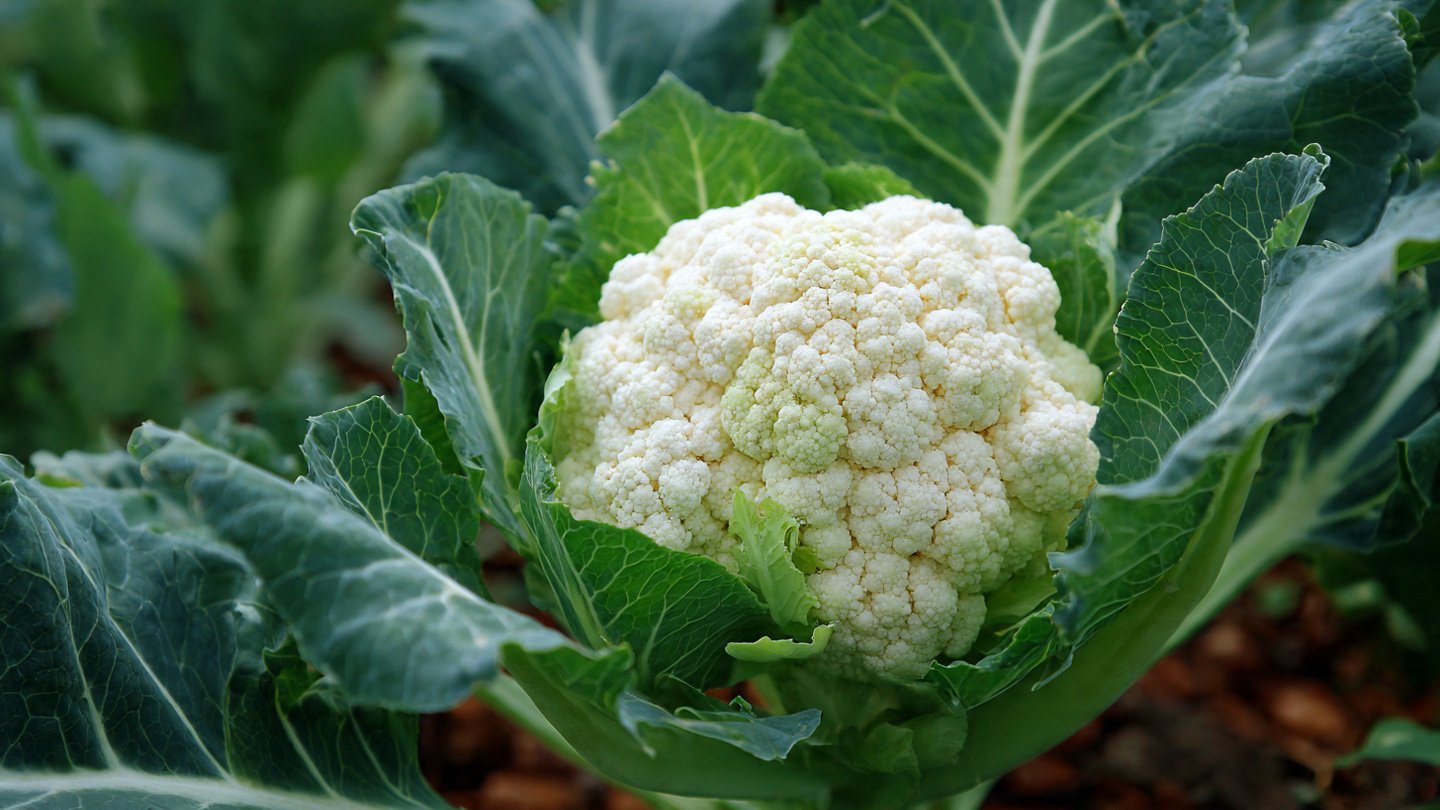
Growing cauliflower, particularly the Snowball variety, can be a rewarding venture for both novice and experienced gardeners. Known for its white, dense heads and mild flavor, Snowball cauliflower is a popular choice for home gardens. This article outlines simple methods for successful cultivation, covering everything from soil preparation to harvesting.
1. Understanding Cauliflower Snowball
Cauliflower (Brassica oleracea var. botrytis) comes in various types, and the Snowball variety is notable for its round, compact heads and tolerance to heat. It typically matures in about 60 to 80 days, making it a suitable vegetable for many growing seasons.
2. Soil Preparation
a. Soil Type
The first step to growing healthy cauliflower is choosing the right soil. Cauliflower thrives in well-drained, fertile soil rich in organic matter. A loamy soil with a pH between 6.0 and 7.0 is ideal.
b. Tilling and Amending
Begin by tilling the soil to a depth of at least 12 inches. This promotes drainage and root development. Incorporate organic matter such as compost or well-rotted manure, which will improve soil fertility and structure. If your soil is heavy clay, consider adding sand or perlite to enhance drainage.
c. Nutrient Testing
Before planting, conduct a soil test to check for nutrient levels. Use the results to amend the soil with necessary fertilizers. Cauliflower typically requires nitrogen, potassium, and phosphorous for optimal growth.
3. Site Selection
a. Sunlight
Cauliflower needs full sun to thrive, requiring at least 6-8 hours of direct sunlight daily. Choose a location in your garden that receives ample sunlight, as a lack of light can lead to poor head formation.
b. Spacing
When planting, ensure proper spacing between plants. Cauliflower Snowball should be spaced about 18 to 24 inches apart to allow adequate airflow and room for growth.
4. Planting
a. Timing
Snowball cauliflower can be started indoors about 4-6 weeks before the last frost date. Transplant seedlings outdoors after the threat of frost has passed. If you prefer direct sowing, you can plant seeds outdoors 2-4 weeks before the last frost date.
b. Seed Depth
When sowing seeds, plant them about 0.5 inches deep. If starting indoors, transfer seedlings to larger pots once they have a few true leaves.
c. Watering
After planting, water the area thoroughly. Maintain consistent moisture in the soil, aiming for about 1 to 1.5 inches of water per week. Using mulch can help retain moisture and suppress weeds.
5. Care and Maintenance
a. Fertilization
Apply a balanced fertilizer about three weeks after planting. A fertilizer with equal parts nitrogen, phosphorus, and potassium will promote healthy growth. You may choose to apply a slow-release fertilizer to provide continuous nutrients.
b. Weed Control
Weeds can compete for nutrients and water, so regularly check and remove them by hand or use mulch to suppress their growth. Avoid using herbicides, as they can harm the cauliflower plants.
c. Pest Management
Cauliflower is vulnerable to pests such as aphids, caterpillars, and cabbage worms. Regularly inspect plants for signs of infestation, and use organic methods like neem oil or insecticidal soap to control these pests. Hand-picking caterpillars is also an effective method.
d. Disease Prevention
To prevent diseases like downy mildew or black rot, practice good crop rotation, and avoid planting cauliflower in the same location more than once every three years. Ensure good airflow around plants by practicing proper spacing.
6. Taking Care of Heads
a. Blanching
To enhance the color and flavor of cauliflower heads, blanching is essential. Blanching involves wrapping the leaves around the head to protect it from sunlight. This process can be initiated a week or two before harvesting.
b. Monitoring Growth
Regularly check the size of the heads. Snowball cauliflower heads are typically ready for harvest when they are about 6-8 inches in diameter. Check for compactness and firmness before harvesting.
7. Harvesting
a. When to Harvest
Harvest your Snowball cauliflower heads when they are firm and before they start to flower. Use a sharp knife to cut the head from the plant, leaving a few leaves attached to protect it.
b. Post-Harvest Care
After harvesting, handle the cauliflower with care to avoid bruising. Store it in a cool, dark place. Freshly harvested cauliflower can last up to a week in the fridge, but it’s best used sooner for optimal flavor.
8. Storing and Preserving
Cauliflower can be blanched and frozen for long-term storage. Cut the cauliflower into florets, blanch in boiling water for 3 minutes, then ice bath and drain before freezing.
9. Troubleshooting Common Issues
a. Poor Head Formation
If the heads are small or not forming properly, it could be due to inconsistent watering or insufficient sunlight. Ensure a steady watering schedule and check sunlight exposure.
b. Yellowing Leaves
Yellowing leaves can indicate nutrient deficiencies, particularly nitrogen. Consider applying a balanced fertilizer to remedy this issue.
c. Flowering Before Maturity
If your cauliflower is bolting (flowering) prematurely, it may be due to high temperatures. Consider summer varieties for hot climates and ensure plants are well-watered.
FAQs
Q1: How often should I water my Snowball cauliflower?
A1: Aim for about 1 to 1.5 inches of water per week. Ensure consistent moisture, especially during dry spells.
Q2: Can I grow Snowball cauliflower in containers?
A2: Yes, Snowball cauliflower can be grown in large containers, provided they receive sufficient sunlight and are spaced adequately.
Q3: What is the best temperature for growing cauliflower?
A3: Cauliflower prefers cool weather, thriving best between 60-70°F (15-21°C). Extremely high temperatures can lead to bolting.
Q4: How long does it take Snowball cauliflower to mature?
A4: Snowball cauliflower typically takes about 60 to 80 days from planting to harvest.
Q5: Is it necessary to blanch cauliflower heads?
A5: While not necessary, blanching can improve the color and flavor of the cauliflower, making it more visually appealing and reducing bitterness.
Conclusion
Growing Snowball cauliflower in your garden can be a fulfilling experience that provides a bountiful harvest. By following these straightforward methods—from soil preparation and planting to harvesting and troubleshooting—you can enjoy a nutritious and delicious crop. With care and attention, you’ll yield heads of cauliflower that are not only visually appealing but also delicious to eat. Happy gardening!