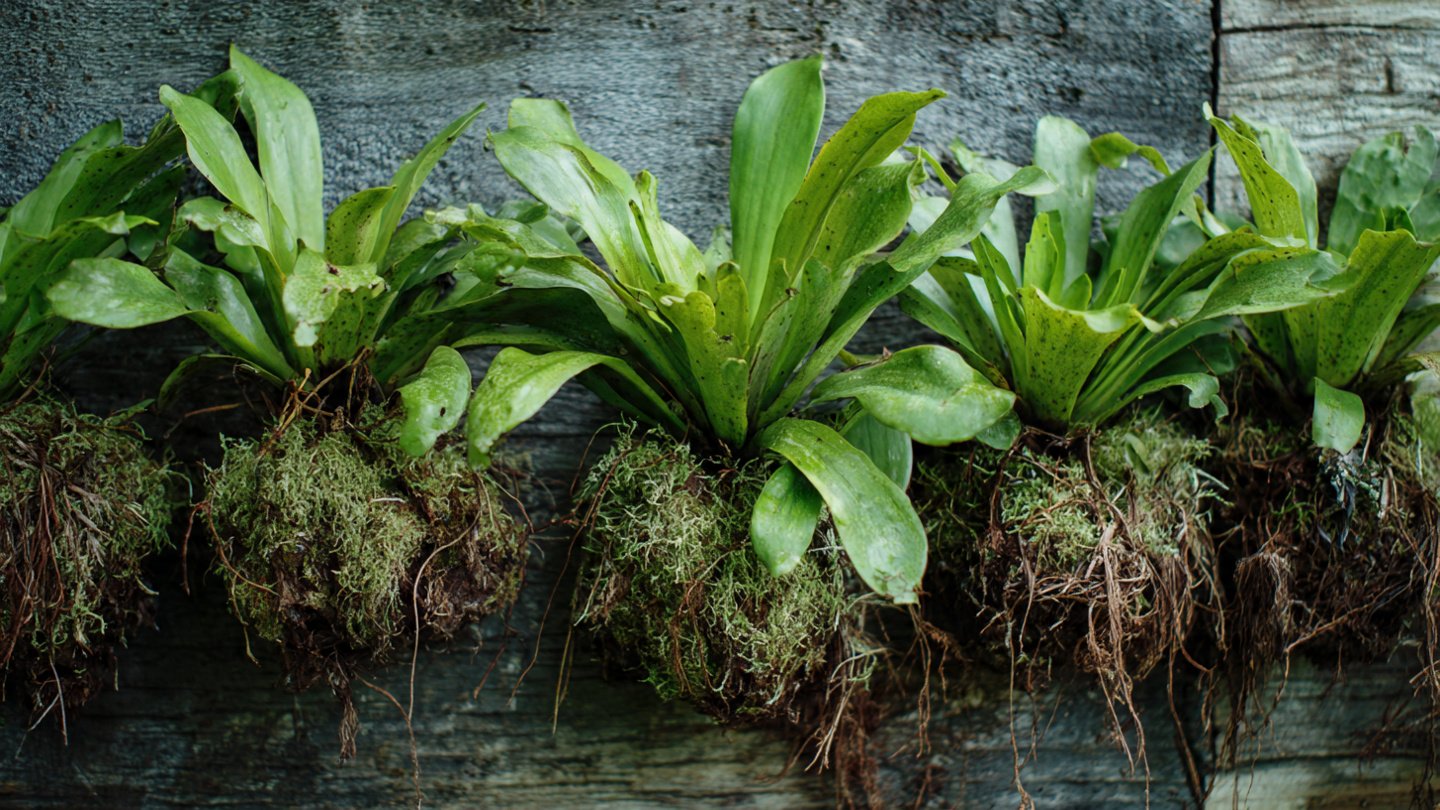
Staghorn ferns (Platycerium spp.) are unique and visually stunning members of the fern family, celebrated for their majestic fronds that resemble the antlers of a stag. Native to tropical and subtropical regions, these epiphytic ferns can thrive outdoors year-round in suitable climates. Cultivating staghorn ferns requires specific care techniques to ensure they flourish, even in areas that may face varying weather conditions. In this article, we’ll explore the essential secrets to successfully growing staghorn ferns outdoors, covering everything from site selection to maintenance.
Understanding Staghorn Ferns
Staghorn ferns are often seen dangling from tree branches or growing on rocks in their natural habitat. They are epiphytes, meaning they derive moisture and nutrients from the air and rain, rather than from soil. There are two main types of fronds: the basal or shield fronds, which are flat and typically cover the mounting surface, and the fertile fronds, which are lacy and grow upwards, resembling antlers.
Ideal Climate Conditions
Staghorn ferns are best suited for warm, humid environments. They thrive in USDA hardiness zones 9 to 11, where temperatures remain mild throughout the year. If you live in a cooler climate, you can still grow staghorn ferns outdoors during the warmer months, but you’ll need to bring them inside during freezing temperatures.
Site Selection
Finding the perfect spot for your staghorn ferns is crucial. Here are some key considerations:
-
Light Requirements: Staghorn ferns prefer filtered light or partial shade. Direct sunlight can scorch their fronds, while too little light can inhibit growth. Aim for a location that receives bright, indirect sunlight.
-
Humidity Levels: These ferns thrive in high humidity. If your garden is dry, consider using a humidifier nearby or grouping plants to create a microclimate.
-
Temperature: Keep the ferns in a location that remains warm, ideally between 60°F and 80°F (15°C to 27°C). Protect them from cold drafts and sudden temperature changes.
Mounting Techniques
Mounting staghorn ferns on a substrate mimics their natural growing conditions. You can use various materials for mounting:
- Wood: Cedar or oak wood is popular. Choose a piece with rough surfaces for better adherence.
- Wire Frames: Use sturdy wire to create a frame. Wrap moss around the frame to create a cozy environment for the fern.
- Bark or Cork: Press the base of the fern into a piece of cork or bark, securing it with fishing line or wire.
Once mounted, hang the ferns in your desired location, ensuring they are secure.
Watering Techniques
Proper hydration is vital for the health of your staghorn ferns. Here are some tips on how to water them effectively:
-
Frequency: Water staghorn ferns every 1-2 weeks, allowing the substrate to dry out slightly between watering sessions. In hotter months, you may need to water more frequently.
-
Water Quality: Use rainwater or distilled water when possible, as tap water can contain chemicals harmful to these delicate plants.
-
Soaking Method: When watering, consider soaking the fern in a basin of water for about 30 minutes, allowing it to absorb moisture through the fronds.
Nutritional Requirements
Feeding staghorn ferns helps promote healthy growth and vibrant fronds. Here are tips for providing the right nutrients:
-
Fertilization Frequency: During the growing season (spring and summer), fertilize every few months. In fall and winter, reduce or stop fertilization, as the plant’s growth slows.
-
Fertilizer Type: Use a balanced, water-soluble fertilizer diluted to half strength. Organic options, such as fish emulsion or seaweed extract, are beneficial as well.
-
Application Method: Spray the fertilizer solution onto the fronds or soak the mounted fern in it, allowing the plant to absorb nutrients through both methods.
Pest Control
While staghorn ferns are generally resilient, they can still fall victim to pests. Keep an eye out for:
- Scale Insects: These can create a sticky residue on the fronds. Treat with insecticidal soap or neem oil.
- Spider Mites: Look for webbing and small yellow spots on the fronds. Increase humidity or use a miticide if needed.
Regularly inspect your ferns, especially during warm months, to catch any infestations early.
Seasonal Changes
Staghorn ferns exhibit seasonal changes that require different care practices:
-
Spring and Summer: This is the active growth phase. Increase watering and fertilization frequency. Monitor for pests and encourage new frond growth.
-
Fall: Gradually reduce watering as temperatures cool. Continue to monitor humidity levels.
-
Winter: Protect ferns in climates experiencing occasional frost. Consider bringing them indoors if temperatures drop below 50°F (10°C).
Winter Protection Strategies
For those living in transitional climates or cooler areas, winter can pose a significant challenge for staghorn ferns. Here’s how to protect them during this period:
-
Bring Indoors: When frost is expected, take the ferns inside. Ensure they are placed in a bright location away from direct sunlight.
-
Humidity Maintenance: To keep humidity levels high indoors, consider using a pebble tray with water underneath the fern or regularly misting the fronds.
-
Temperature Regulation: Keep the indoor temperature steady. Avoid placing the ferns near heating vents or on windowsills that receive cold drafts.
Troubleshooting Common Issues
Sometimes, staghorn ferns may face challenges. Here are solutions to common issues:
-
Brown Tips: This may indicate underwatering or too much direct sunlight. Increase humidity and adjust the light conditions.
-
Yellowing Fronds: This can be a sign of overwatering or nutrient deficiency. Check the soil moisture and consider applying a diluted fertilizer.
-
Lack of Growth: If the fern isn’t growing, ensure it receives adequate light, humidity, and nutrients.
FAQs
Q1: Can I grow staghorn ferns in containers?
A1: While staghorn ferns are best mounted for optimal air circulation, you can grow them in containers filled with a well-draining orchid mix. Ensure proper drainage to prevent root rot.
Q2: How do I propagate staghorn ferns?
A2: You can propagate staghorn ferns by division. Carefully remove a pup (small plant) from the base of a mature fern and mount it using the same techniques described above.
Q3: What are the best companion plants for staghorn ferns?
A3: Companion plants that thrive in similar conditions include other ferns, bromeliads, and shade-loving orchids. Make sure to provide adequate humidity and light for all companions.
Q4: How can I revive a dying staghorn fern?
A4: Assess the issues causing distress, whether it be overwatering, underwatering, or light conditions. Trim away dead fronds, adjust care practices, and give the fern time to recover.
Q5: Can I use regular potting soil for staghorn ferns?
A5: Regular potting soil is too dense for staghorn ferns. Instead, use a well-draining mix, or mount the fern on wood or bark to mimic their natural habitat.
Q6: How often do staghorn ferns flower?
A6: Staghorn ferns do not produce flowers as traditional plants do; however, they can produce new fronds regularly throughout the growing season.
Conclusion
Growing staghorn ferns outdoors year-round can be a rewarding pursuit, enhancing your garden with their unique beauty and appeal. With the right care, attention to their needs, and an understanding of their natural habitat, you can cultivate thriving staghorn ferns that flourish in your outdoor sanctuary. Remember to provide the appropriate light, humidity, and nutrients, and enjoy the journey of nurturing these fascinating plants!