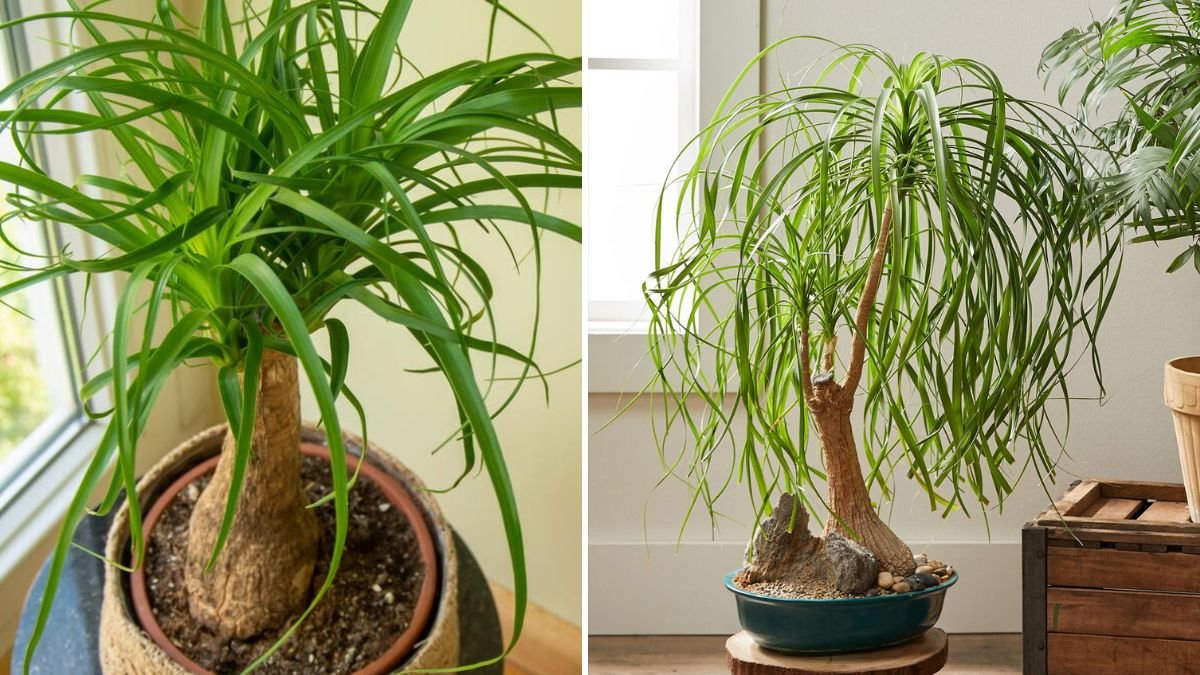
The Ponytail Palm (Beaucarnea recurvata), despite its name, is not a true palm but a succulent plant native to Mexico. Known for its bulbous trunk, which stores water, and its long, cascading leaves, the Ponytail Palm is an excellent choice for gardeners seeking a unique aesthetic. With its low maintenance requirements and drought-resistant qualities, this plant can thrive outdoors year-round in suitable climates. This article will guide you through simple steps to ensure your Ponytail Palm grows healthy, vibrant, and thriving throughout the seasons.
1. Understanding Your Ponytail Palm
Before planting, it’s crucial to understand the characteristics of the Ponytail Palm. Here are some of the defining features of this unique plant:
- Appearance: The bulbous trunk and long, wispy leaves mimic the look of a ponytail, hence the name.
- Growth Rate: Ponytail Palms are slow growers, often taking several years to reach their full height of about 3 to 8 feet.
- Environment: They thrive in warm, well-draining environments, with some tolerance for drought.
2. Choosing the Right Location
Sunlight Requirements
Ponytail Palms require bright, indirect sunlight. While they can tolerate direct sunlight, especially in cooler climates, too much harsh sun can scorch their leaves. Here’s how to choose the right spot:
- Assess Sunlight: Select a location that receives about 6 hours of indirect sunlight daily. Morning sun is generally less intense and is more suitable for these plants.
- Avoid Overcast Areas: If your garden doesn’t receive ample sunlight due to trees or buildings, consider using grow lights if planting in a pot.
Soil Type
Soil drainage is a critical factor for the Ponytail Palm’s health. The plant thrives in sandy, well-draining soils. Here’s how to ensure optimal soil conditions:
- Soil Mix: Use a mix of potting soil with sand or perlite to promote drainage.
- pH Levels: Soil should preferably be slightly acidic to neutral (pH 6.0 to 7.5).
3. Planting Your Ponytail Palm
Planting Techniques
-
Container Planting: If you live in a climate where temperatures can drop significantly, planting in a container allows you to move the plant indoors during harsh weather.
- Choose a pot with drainage holes.
- Fill with your well-draining soil mix.
- Gently place the Ponytail Palm into the pot and fill in around the roots.
-
In-Ground Planting: In warmer climates (zones 9-11), you may plant directly into the ground.
- Dig a hole double the width of the root ball.
- Place the plant in the hole at the same depth it was growing in its pot, and backfill with soil.
Watering After Planting
Water the plant well after planting to settle the soil. However, avoid overwatering, which can lead to root rot. Allow the top 1-2 inches of soil to dry before watering again.
4. Watering Practices
Establish a Routine
Ponytail Palms are drought-resistant but require specific watering practices:
- Frequency: Water every 2-3 weeks in the growing season (spring and summer) and reduce to once a month in cooler months.
- Signs of Overwatering: Yellowing leaves or soft, mushy roots may indicate overwatering.
Water Quality
Whenever possible, use rainwater or distilled water for your Ponytail Palm, as tap water can contain chemicals harmful to plants.
5. Fertilizing Your Ponytail Palm
Choosing the Right Fertilizer
A balanced, diluted liquid fertilizer is ideal for Ponytail Palms. Choose a fertilizer with a balanced N-P-K ratio (nitrogen, phosphorus, potassium).
- Frequency: Fertilize every 4-6 weeks during the growing season.
- Dilution: A half-strength solution is recommended to avoid fertilizer burn.
6. Pruning and Maintenance
Importance of Pruning
Regular pruning helps maintain the shape and health of the Ponytail Palm. Here’s how to do it effectively:
- Remove Dead Leaves: Cut away dried or brown leaves, using clean, sharp scissors to prevent disease.
- Shaping: If necessary, trim the palm to maintain its desired size or shape.
Pest Control
Ponytail Palms are relatively pest-resistant, but they can fall victim to mealybugs or spider mites. Here’s how to handle pests:
- Inspection: Regularly check the undersides of the leaves for pests.
- Treatment: If pests are found, treat with insecticidal soap or neem oil.
7. Preparing for Seasonal Changes
Winter Care
In regions where temperatures drop below freezing:
- Container Plants: Bring the plant indoors to a bright, warm location.
- Ground Plants: Cover the base with mulch or fabric to protect the roots during frost.
Summer Care
During hotter months:
- Increased Watering: Ensure adequate watering, especially in containers, as they can dry out more quickly.
- Check for Pests: Higher humidity and warmth may increase pest activity.
8. Common Problems and Solutions
Yellow Leaves
- Causes: Overwatering, poor drainage, or nutrient deficiency.
- Solution: Ensure proper watering practices and check soil drainage. Consider fertilizing if nutrient deficiency is suspected.
Wilting or Dropping Leaves
- Causes: Underwatering or sudden temperature changes.
- Solution: Adjust watering frequency and ensure the plant is shielded from drafts or temperature fluctuations.
9. Real-Life Applications and Benefits
Planting a Ponytail Palm in your garden or patio adds a unique visual appeal and can contribute positively to your indoor air quality. Their resilient nature makes them an excellent choice for busy individuals who may not have the time for extensive gardening.
FAQs
Q1: Can I keep a Ponytail Palm indoors?
Yes, Ponytail Palms can thrive indoors with adequate sunlight. Ensure they are placed in a bright location, and maintain a warm indoor temperature.
Q2: How fast does a Ponytail Palm grow?
Ponytail Palms are slow growers, typically growing about 6 inches a year. Full maturity may take several years.
Q3: What temperature can a Ponytail Palm tolerate?
Ponytail Palms thrive in temperatures between 65°F and 80°F (18°C – 27°C). They can tolerate short periods of lower temperatures but should ideally be kept above 50°F (10°C).
Q4: Do Ponytail Palms require a lot of water?
No, Ponytail Palms are drought-resistant and prefer soil to dry out between waterings. Overwatering can be detrimental.
Q5: How can I tell if my Ponytail Palm needs water?
Check the top 1-2 inches of soil. If it’s dry to the touch, it’s time to water.
Q6: Can Ponytail Palms be propagated?
Propagation is not common for Ponytail Palms but can be attempted through offsets or seeds, though it requires patience.
Q7: Is it safe for pets?
Ponytail Palms are non-toxic to pets, making them an excellent choice for homes with animals.
Q8: What should I do if I notice brown tips on the leaves?
Brown tips may indicate low humidity or underwatering. Increase humidity or adjust your watering practices.
Conclusion
With the right care and attention, a Ponytail Palm can bring a new level of beauty and tranquility to your outdoor garden or indoor space. By following these simple steps, you’ll cultivate a healthy and thriving plant that enhances your environment year-round. Happy gardening!