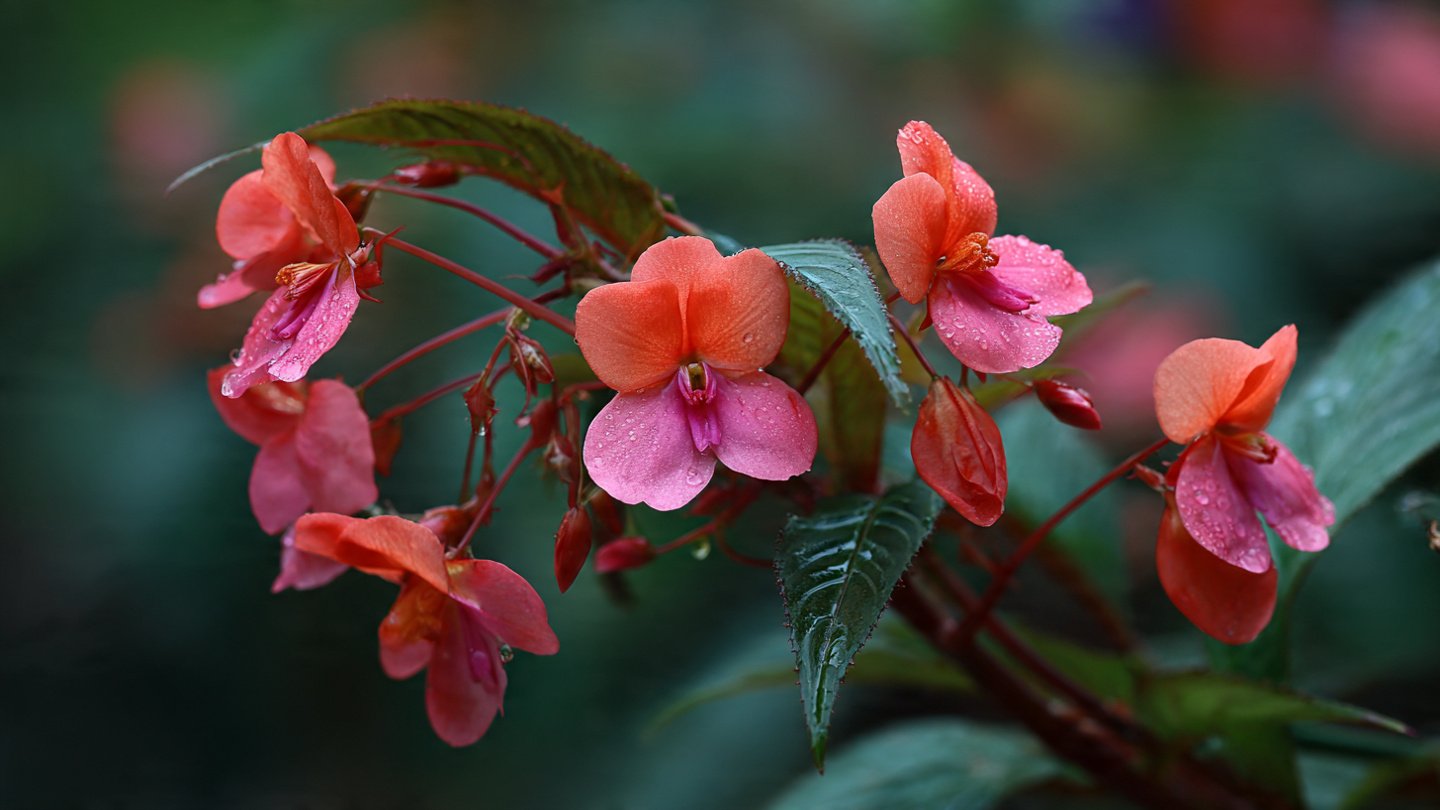
Impatiens Balsamina, commonly known as balsam, is a beautiful and vibrant flowering plant that can add a splash of color to any garden. Known for its lush flower clusters and rich green foliage, it is a favorite among gardeners for both its aesthetic appeal and relatively easy care. This article will guide you through the simple steps for growing Impatiens Balsamina, covering everything from preparation to maintenance. By the end, you’ll be equipped with the knowledge to cultivate this delightful plant successfully.
Understanding Impatiens Balsamina
Before diving into the growing process, it’s important to understand what Impatiens Balsamina is. This annual plant is native to tropical and subtropical regions of Asia and Africa, thriving in rich, moist soil and partial to full shade. The flowers come in a range of colors, including pink, red, white, and purple, making them very appealing for garden beds and borders.
Benefits of Growing Impatiens Balsamina
- Vibrant Colors: They bring life and vibrant colors to your garden.
- Shady Areas: Perfect for shaded or partially shaded spots where most plants struggle.
- Low Maintenance: Once established, these plants require minimal care.
- Attracts Pollinators: They attract bees and butterflies, enhancing the biodiversity of your garden.
Step-by-Step Guide to Growing Impatiens Balsamina
Step 1: Choosing the Right Location
The first step in growing Impatiens Balsamina is selecting the right location in your garden. Here are key factors to consider:
- Light Exposure: These plants prefer partial to full shade, making them ideal for areas that do not receive direct sunlight. Too much sunlight can scorch the leaves and inhibit blooming.
- Protection from Wind: Shelter from strong winds is vital, as their tender stems can easily break.
Step 2: Preparing the Soil
The next step involves preparing a suitable environment for the plants:
- Soil Quality: Balsam thrives in rich, well-draining soil. A mix of compost, peat moss, and garden soil is ideal.
- pH Level: Aim for a soil pH of 5.5 to 6.5. This range provides the nutrients that Impatiens need for healthy growth.
- Drainage: Proper drainage is critical to prevent root rot. If your garden soil retains water, consider raising your planting area or creating mounds.
Step 3: Planting
Once you have your location and soil ready, it’s time to plant your Impatiens Balsamina:
- Timing: The best time to plant Balsam is in the spring after the last frost, as they are sensitive to cold.
- Spacing: Space the plants about 8 to 12 inches apart to allow for growth and airflow.
- Depth: Dig a hole deep enough to accommodate the root ball, and place the plant so that the top of the root ball is level with the soil surface. Cover it gently with soil and water thoroughly.
Step 4: Watering
Watering is crucial, particularly in the initial stages:
- Initial Care: Keep the soil consistently moist without becoming waterlogged. Suitable watering methods include drip irrigation or watering cans to control the amount of water dispensed.
- Established Plants: Once established, Impatiens Balsamina is quite tolerant of moisture fluctuations, but it is important to avoid drying out completely.
Step 5: Fertilizing
To promote lush foliage and abundant blooms:
- Fertilizer Choice: Use a balanced, slow-release fertilizer every four to six weeks during the growing season. Organic options like fish emulsion or compost tea can also be beneficial.
- Application: Apply the fertilizer according to the package instructions, ensuring you don’t over-fertilize, as this can harm the plants.
Step 6: Pruning and Deadheading
Regular maintenance will help your Impatiens look their best:
- Pruning: Lightly prune in the spring to encourage bushy growth and remove any dead or damaged leaves.
- Deadheading: Remove spent flowers to promote continuous blooming and prevent the plant from going to seed.
Step 7: Pest and Disease Management
While Impatiens Balsamina is generally pest-resistant, they can sometimes attract certain issues:
- Common Pests: Look out for aphids, spider mites, and whiteflies. Treat infestations promptly with insecticidal soap or neem oil.
- Diseases: Avoid fungal diseases by ensuring good air circulation and avoiding overhead watering. Keep an eye out for signs of downy mildew, which may appear as white mildew on the upper leaves.
Step 8: Winter Care
In regions with cold winters, Impatiens Balsamina will not survive frost:
- Annual Harvest: Since they are typically grown as annuals, plan to replant each year. If you’re keen on propagation, consider taking cuttings in the fall to overwinter indoors.
Additional Considerations
- Companion Planting: Pair Impatiens with other shade-loving plants like ferns, hostas, or begonia for a lush appearance.
- Container Gardening: Impatiens can also thrive in pots. Ensure pots have drainage holes, and consider regular watering and feeding.
FAQs
1. How tall do Impatiens Balsamina grow?
Generally, Impatiens Balsamina varieties can reach heights of 12 to 24 inches, depending on the cultivar.
2. Can I grow Impatiens from seeds?
Yes! You can start Impatiens Balsamina from seeds indoors about 8-10 weeks before the last frost. Keep the seeds moist and warm until they germinate, then transplant them outside.
3. Are Impatiens Balsamina deer-resistant?
While no plant is completely deer-proof, Impatiens Balsamina are generally not favored by deer due to their taste.
4. How often should I water my Impatiens?
Water your Impatiens Balsamina frequently enough to keep the soil consistently moist, especially during dry spells. A general rule of thumb is to check the soil moisture every few days.
5. What to do if my Impatiens are wilting?
Wilting could indicate either overwatering or underwatering. Check the soil moisture; if it’s too dry, water immediately. If it’s too wet, improve drainage and allow the soil to dry out.
6. Can Impatiens survive in full sun?
Impatiens Balsamina prefers partial to full shade. While they might tolerate light morning sun, too much direct sunlight can damage the leaves and reduce flowering.
Conclusion
Growing Impatiens Balsamina in your garden can be a rewarding experience. With their stunning blooms and minimal care requirements, they are perfect for both novice and experienced gardeners. By following the outlined steps and maintaining regular care, you can create a flourishing garden that showcases the beauty of these colorful plants. Happy gardening!