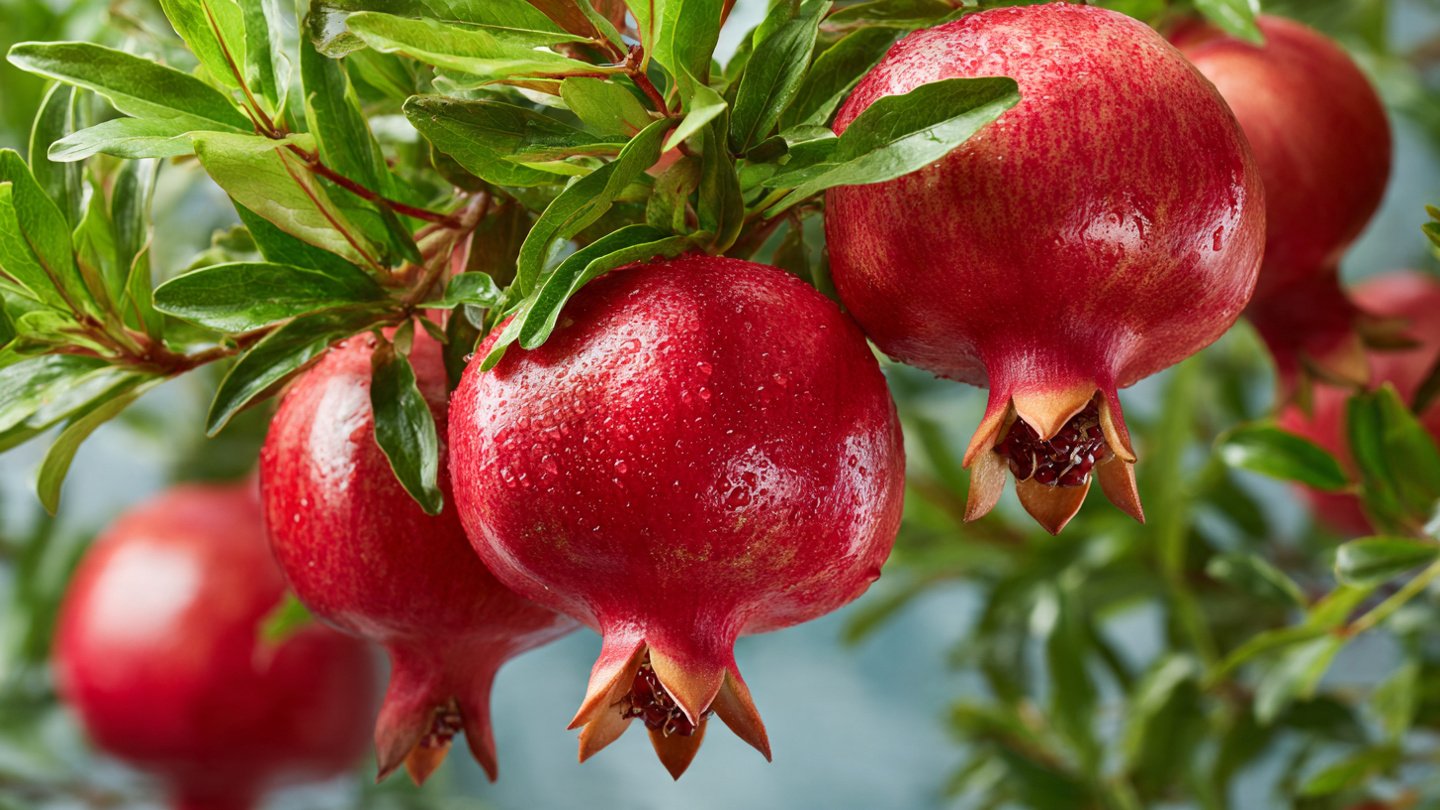
Growing pomegranates indoors can be an incredibly rewarding endeavor. The vibrant fruits not only add aesthetic value to your home but also provide a delicious source of nutrition. This guide will walk you through the simple steps for cultivating pomegranates indoors year-round, covering everything from choosing the right variety to caring for your pomegranate plant.
Understanding Pomegranate Basics
Before diving into the cultivation process, it’s essential to grasp the basics of what a pomegranate plant requires. Pomegranates (Punica granatum) are deciduous shrubs native to the Middle East; they thrive in warm, arid climates. While traditionally grown outdoors, advancements in indoor gardening techniques allow you to successfully cultivate them even in less-than-ideal conditions.
Selecting the Right Variety
Choosing the right pomegranate variety is critical for indoor growth. Some varieties are better suited for container gardening than others:
- ‘Wonderful’: The most commonly grown variety, yielding large, ruby-red fruits.
- ‘Angel Red’: Known for its sweet flavor and beautiful red skin.
- ‘Eversweet’: A cream-colored variant that is less acidic, perfect for fresh consumption.
Always choose dwarf varieties if your indoor space is limited, as they can grow to about 3-4 feet tall.
Step-by-Step Guide to Growing Pomegranates Indoors
1. Picking the Ideal Container
Select a container that is at least 8-10 inches in diameter for young plants. As they grow, you may need to transplant them into larger pots, ideally up to 16-20 inches. Ensure the pot has drainage holes to prevent root rot, a common issue in pomegranate cultivation.
2. Choosing the Right Soil
Pomegranates prefer well-draining soil. A mixture of potting soil, perlite, and sand works wonders. You can create your own mix with:
- 50% potting soil
- 30% perlite
- 20% coarse sand
This mix ensures good aeration and drainage while retaining enough moisture.
3. Planting Your Pomegranate Seeds or Sapling
You can start pomegranates from seeds or purchase a young plant from a nursery:
-
From Seeds: If growing from seeds, soak the seeds in water for 24 hours, then plant them about half an inch deep in your prepped soil. Keep the soil moist but not soggy.
-
From Saplings: If using a sapling, dig a hole in your pot’s soil large enough to accommodate the root ball. Place the plant in the hole, fill it with soil, and water.
4. Providing the Right Light
Pomegranates require a lot of sunlight to thrive. Ideally, the plant should receive at least 6-8 hours of direct sunlight daily. Place your pomegranate near south or west-facing windows. If natural light is insufficient, consider using grow lights to supplement.
5. Watering Schedule
Pomegranates prefer regularly moist soil but are sensitive to overwatering. Water your plant when the top inch of soil feels dry. During the growing season (spring and summer), pomegranates typically need more water, while in the dormant season (fall and winter), reduce watering significantly.
6. Fertilizing Your Pomegranate
Fertilization helps ensure your pomegranate thrives. Use a balanced, slow-release fertilizer specifically designed for fruiting plants. Fertilize every 4-6 weeks during the growing season. A good ratio to aim for is a 10-10-10 NPK (Nitrogen-Phosphorus-Potassium) fertilizer.
7. Pruning for Shape and Health
Pruning is crucial for maintaining the health and shape of your pomegranate plant. In the early spring, remove dead or crossing branches and any suckers that grow from the base. This encourages better airflow and more sunlight exposure to inner branches.
8. Managing Temperature and Humidity
Pomegranates prefer warmer temperatures ranging from 70°F to 80°F (21°C to 27°C) during the day and slightly cooler at night. If temperatures drop below 50°F (10°C), consider moving the plant to a warmer location.
Low humidity can be an issue for indoor plants. Use a humidity tray filled with water and pebbles or a humidifier if the air in your home is too dry, especially during winter months.
9. Pollination
Pomegranates are self-pollinating but can benefit from cross-pollination from other pomegranate flowers. If you’re growing only one plant, gently shake it occasionally to help with pollen distribution. Alternatively, you can use a small brush to transfer pollen between flowers.
10. Pest and Disease Management
While pomegranates are generally hardy, they can be susceptible to pests such as aphids, mealybugs, and spider mites. Regularly inspect your plant; you can control pests by using insecticidal soap or neem oil. Ensure good air circulation to prevent fungal diseases, especially if humidity is high.
11. Harvesting
The fruit typically takes about 6-7 months to mature after flowering. Harvest your pomegranates when the outer skin has turned bright red and feels firm to the touch. Use sharp scissors to cut the fruit from the stem, being careful not to damage the branches.
FAQs
1. Can I grow pomegranates indoors in any climate?
Yes, pomegranates can be grown indoors in various climates as long as you provide sufficient warmth, light, and care.
2. Do pomegranates need cross-pollination to bear fruit?
No, pomegranates are self-pollinating but can benefit from cross-pollination to improve yield.
3. How often should I fertilize my pomegranate plant?
Fertilize your pomegranate plant every 4-6 weeks during the growing season.
4. What pests should I watch out for when growing pomegranates indoors?
Common pests include aphids, spider mites, and mealybugs. Regular inspections can help you manage them effectively.
5. How do I know when my pomegranates are ready to harvest?
Harvest when the skin turns bright red and is firm to the touch. The fruit should also produce a metallic sound when tapped.
6. Can pomegranate trees survive the winter indoors?
Yes, pomegranates can survive indoors during winter as long as they are kept in ideal temperature and humidity conditions.
7. Can I grow pomegranates from store-bought fruit?
Yes, you can grow pomegranates from seeds found in store-bought fruit, but it may take longer to produce fruit compared to grafted plants from nurseries.
8. How much water does a pomegranate plant need?
Water when the top inch of soil feels dry, ensuring not to overwater, especially during the dormant season.
Conclusion
With the right care and attention, growing pomegranates indoors can be a successful and enjoyable endeavor. By following these simple steps, you’ll not only enjoy the beauty of your pomegranate plant but also relish the sweet and nutritious fruits it will produce. Happy gardening!