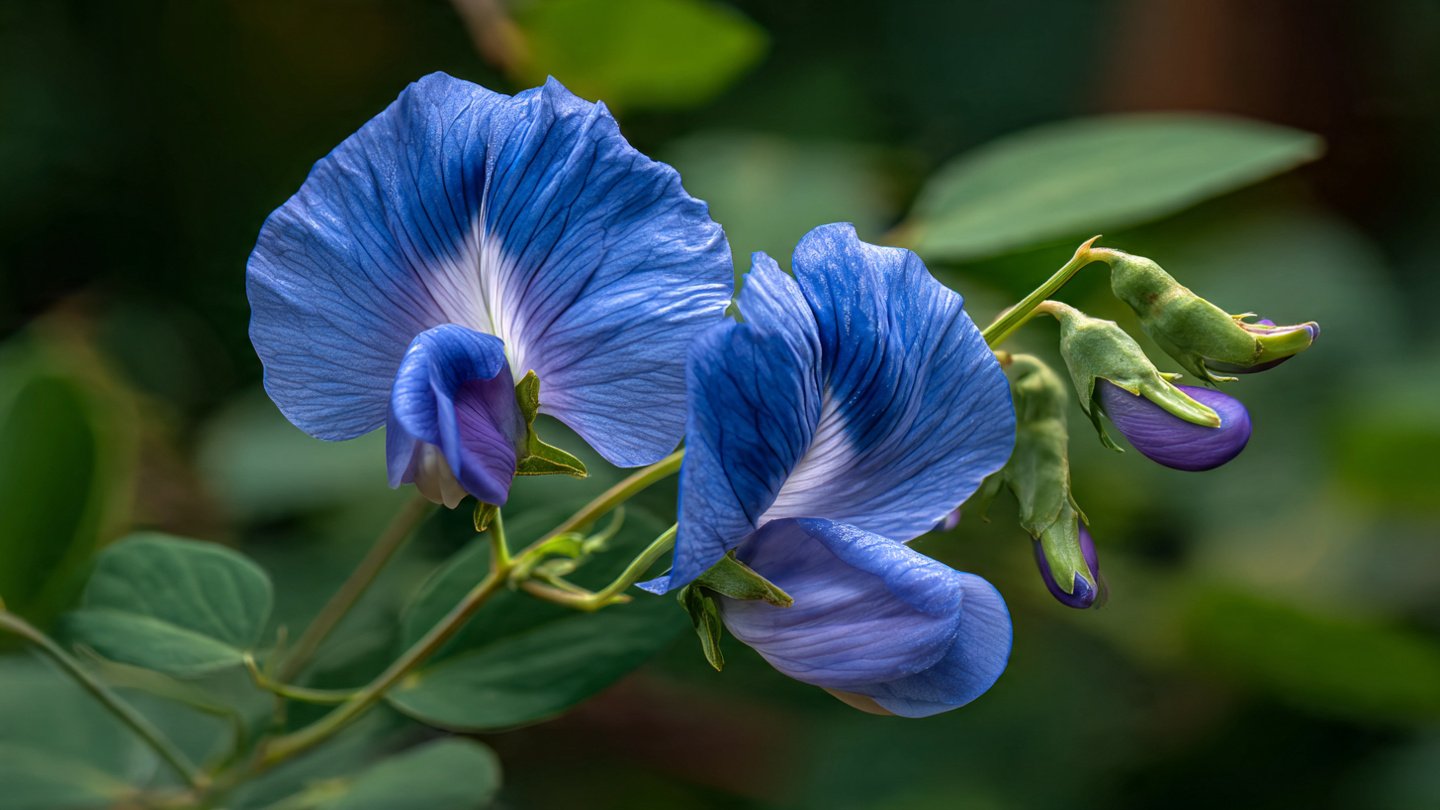
Clitoria ternatea, commonly known as butterfly pea or blue pea, is a stunning flowering plant renowned for its vibrant blue flowers. Not only is it visually captivating, but it also has various culinary and medicinal uses. Cultivating butterfly pea in your garden may seem daunting, but with the right guidance, you can enjoy this unique plant. This article will outline simple steps to grow Clitoria ternatea successfully, along with some FAQs to address common concerns.
Understanding Clitoria Ternatea
Overview
Clitoria ternatea is a creeping vine that can grow up to 2 meters in length. The plant belongs to the Fabaceae family and is native to tropical Asia and parts of Africa. The flowers bloom in shades of blue or white and are often used in teas, dyes, and even as food colorings due to their vibrant hue.
Benefits
- Aesthetic Value: The striking flowers add beauty to any garden setting.
- Culinary Uses: The flowers can be used to make tea, desserts, and rice dishes, providing a unique color and subtle flavor.
- Medicinal Properties: Traditionally, it has been used to enhance memory, reduce stress, and improve skin health.
Step-by-Step Guide to Cultivating Clitoria Ternatea
Step 1: Choosing the Right Location
Sunlight: Clitoria ternatea thrives in full sunlight (6-8 hours a day). Choose a location that receives adequate light throughout the day.
Soil Quality: The plant prefers well-draining soil rich in organic matter. Sandy loam or loamy soil is ideal. Avoid heavy clay that retains water, as this can lead to root rot.
Step 2: Soil Preparation
-
Testing the Soil: Before planting, it’s advisable to test the pH of your soil. Clitoria ternatea prefers a pH between 6.0 and 7.0.
-
Enriching the Soil: Mix well-rotted compost or organic matter into the soil to enhance nutrient content and drainage. Add a balanced fertilizer to provide essential nutrients.
Step 3: Planting Seeds
Seed Selection: Look for high-quality, viable seeds from a reputable source. Butterfly pea seeds have a hard outer shell, which can impede germination if not treated.
-
Scarifying the Seeds: To improve germination rates, consider lightly sanding the seeds or soaking them in water for 12-24 hours. This helps break down the seed coat.
-
Planting: Plant the seeds about 2-3 cm deep and space them 30-40 cm apart. Depending on the desired coverage, you can plant multiple seeds in a single hole.
Step 4: Watering
Initial Watering: After planting, water the seeds gently but thoroughly. Keep the soil moist but not soggy, as too much water can lead to fungal diseases.
Ongoing Watering: Once established, Clitoria ternatea is relatively drought-tolerant. Water the plants weekly during dry spells, but rely on rainfall during wetter periods.
Step 5: Providing Support
Given its climbing nature, Clitoria ternatea benefits from support structures. Consider installing trellises, fences, or stakes to encourage upward growth, allowing the plant to spread and flourish.
Step 6: Mulching
Apply a layer of mulch around the base of the plant to retain moisture, suppress weeds, and maintain soil temperature. Organic mulch, like wood chips or straw, will also decompose over time, enriching the soil.
Step 7: Pruning
Regular pruning is essential for maintaining the plant’s health and encouraging new growth. Remove dead or yellowing leaves, and trim back excess growth to manage size and shape. This will promote better airflow and reduce the risk of disease.
Step 8: Pest and Disease Management
Clitoria ternatea is generally resilient but can be susceptible to pests such as aphids and spider mites. Keep an eye out for signs of infestation, including discolored leaves or webbing.
-
Natural Remedies: Use insecticidal soap or neem oil for pest management. Consider introducing beneficial insects like ladybugs to control aphid populations naturally.
-
Fungal Diseases: Avoid overhead watering to minimize fungal diseases. Ensure good air circulation around the plants to prevent rot and fungal issues.
Step 9: Harvesting
Once your Clitoria ternatea plants start blooming, you can begin harvesting the flowers. It’s best to pick them in the early morning when they are fresh, as this preserves their color and flavor.
- Uses: Use the flowers in culinary dishes, teas, or for natural dyeing purposes. They can also be dried and stored for later use.
Frequently Asked Questions (FAQs)
1. How long does it take for Clitoria ternatea seeds to germinate?
Clitoria ternatea seeds typically germinate within 1-2 weeks, provided they have been scarified and kept in suitable conditions.
2. Can Clitoria ternatea be grown indoors?
While it thrives outdoors, Clitoria ternatea can be grown indoors if it receives sufficient sunlight and the right temperature. A south-facing window or grow lights can help meet its light requirements.
3. How do I propagate Clitoria ternatea?
Clitoria ternatea can be propagated through seeds or cuttings. For cuttings, take a healthy stem section and place it in water or directly into potting soil until roots develop.
4. What are the best growing conditions for Clitoria ternatea?
The ideal conditions include full sun, well-draining soil, and a warm climate. The plant is suited for tropical and subtropical regions but can thrive in warm temperate zones as well.
5. Are there any special care requirements during winter?
In cooler climates, protect Clitoria ternatea during winter by bringing potted plants indoors. If planted in the ground, mulching can help insulate the roots.
6. Can I consume the flowers of Clitoria ternatea?
Yes, the flowers are edible and are often used in teas, culinary dishes, and as natural dyes. Ensure they haven’t been treated with pesticides if consumed.
7. Is Clitoria ternatea invasive?
While it can spread vigorously, Clitoria ternatea is not typically considered invasive. However, regular maintenance and pruning can keep it under control in your garden.
8. What are the common uses for Clitoria ternatea?
The plant is primarily used for making herbal teas, culinary preparations, and natural dyes. It is also part of traditional medicine systems in various cultures.
Cultivating Clitoria ternatea can be a rewarding addition to your garden, offering both aesthetic beauty and practical benefits. By following these simple steps and exploring the FAQs, you can ensure a successful and beautiful flowering season. Embrace the challenge, and you’ll soon enjoy the vibrant blooms of this unique plant!