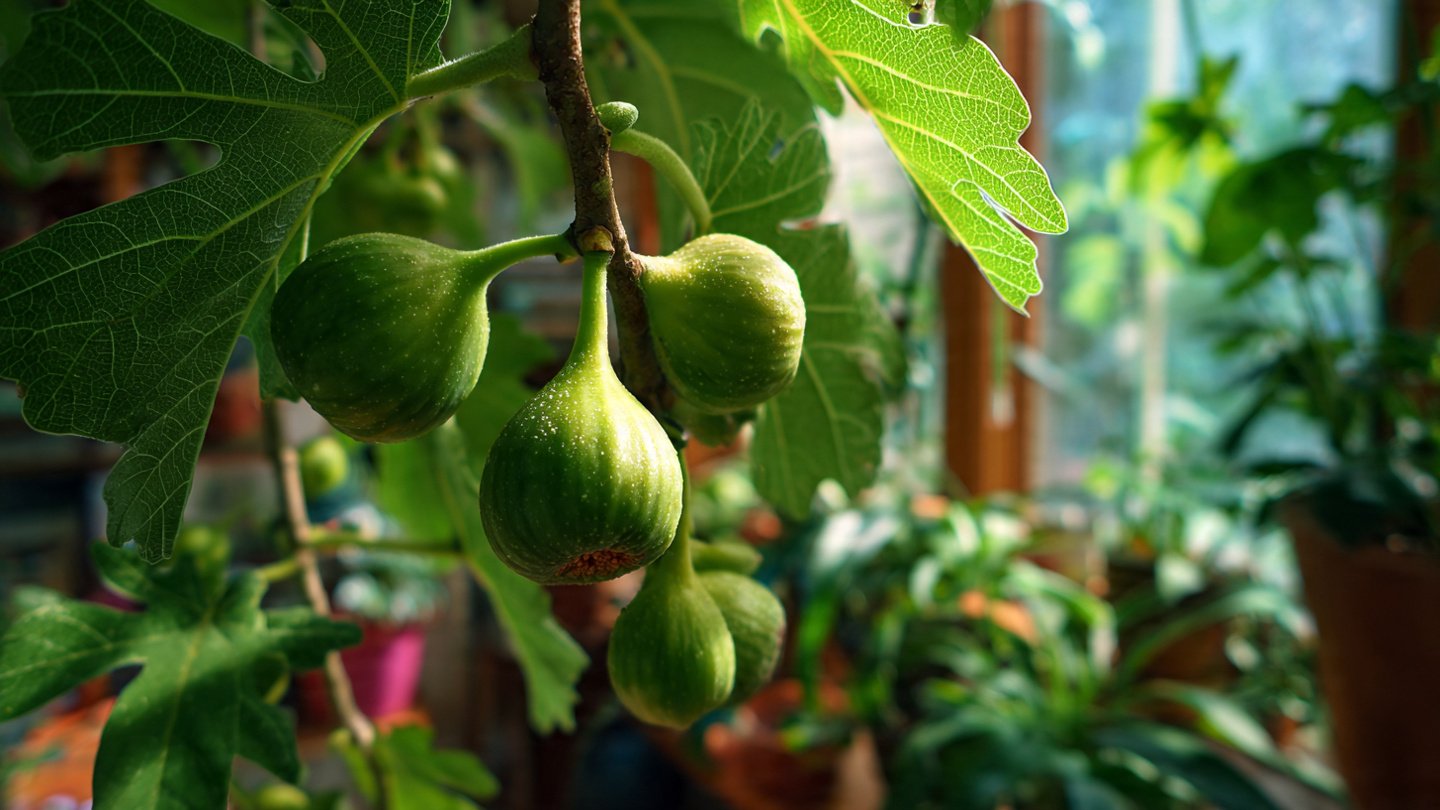
Figs, with their unique flavor and lush mouthfeel, have been cultivated for thousands of years. While many people associate fig trees with outdoor gardens, it’s absolutely possible to grow figs indoors all year round. In this article, we’ll explore the simple steps needed to successfully cultivate these delightful fruiting plants in your home, ensuring you enjoy fresh figs irrespective of the season.
1. Choosing the Right Fig Variety
1.1. Selecting Indoor-Friendly Varieties
When choosing fig varieties for indoor growth, focus on dwarf or semi-dwarf varieties. Here are a few popular options:
- Petite Negra: Known for its rich, sweet flavor and compact size, it’s ideal for small spaces.
- Little Ruby: A compact tree with medium-sized figs, easy to maintain.
- Brown Turkey: Although it can grow larger, it can be pruned to fit indoor requirements.
Choosing the right variety will make your indoor gardening journey more successful and enjoyable.
2. Understanding Fig Tree Requirements
2.1. Light
Figs thrive on bright light. Ideally, they should receive at least 8 hours of sunlight daily. A south-facing window is the best spot, but if natural sunlight is insufficient, consider using grow lights to supplement.
2.2. Temperature
Figs prefer a warm environment. Ideal temperatures range from 70°F to 85°F (21°C to 29°C) during the day and around 60°F to 70°F (15°C to 21°C) at night. They can tolerate some cooler temperatures, but be cautious—consistent exposure to temperatures below 40°F (4°C) can stress the plants.
2.3. Humidity
Figs thrive in moderately humid environments. Indoor air can often be too dry, especially during winter months. Consider using a humidifier or placing your fig pots on trays filled with pebbles and water to increase humidity levels.
3. Potting Your Fig Trees
3.1. Choosing the Right Pot
A pot with adequate drainage holes is crucial to prevent root rot. Start with a pot that is 12-16 inches in diameter. As your fig tree grows, upgrade to larger pots, but avoid using pots that are excessively big.
3.2. Soil Mix
Figs prefer well-draining soil. A mix of potting soil, peat moss, and perlite or sand is ideal. This combination allows for moisture retention without suffocation of the roots, providing a balanced environment for growth.
4. Planting Your Fig Tree
4.1. Planting Steps
- Fill the pot with your prepared soil mix, ensuring that the drainage holes remain uncovered.
- Make a small hole in the center for your fig tree.
- Remove the fig tree gently from its nursery pot and place it in the hole. Cover the roots with soil and press down gently to eliminate air pockets.
- Water thoroughly after planting.
4.2. Initial Care
After planting, keep your fig tree in a well-lit area, and avoid fertilizing for the first few weeks to allow it to acclimate.
5. Watering Your Fig Tree
5.1. Establishing a Watering Schedule
Figs prefer their soil to dry out slightly between waterings. Generally, every 7-10 days is sufficient. However, this may vary based on your indoor climate.
5.2. Signs of Overwatering and Underwatering
- Overwatering: Yellow leaves and fuzzy fungus on the soil are signs of too much water.
- Underwatering: Crispy edges on leaves and drooping foliage indicate a lack of water.
Always check the top 1-2 inches of soil before watering.
6. Fertilizing Figs
Fertilize your fig tree every 4-6 weeks during the growing season (spring and summer) using a balanced, water-soluble fertilizer. Reduce feeding during fall and winter when the plant’s growth slows.
6.1. Organic Options
If you prefer organic options, consider fish emulsion or compost tea. These provide natural nutrients and are gentle on the roots.
7. Pruning and Maintenance
7.1. The Importance of Pruning
Regular pruning encourages bushier growth, better air circulation, and enhances fruit production. Aim for pruning in late winter or early spring when the tree is dormant.
7.2. Basic Pruning Steps
- Remove dead or damaged branches.
- Trim back overgrown sections to encourage new growth.
- Thin out crowded areas to improve airflow.
8. Pollination and Fruit Production
Figs don’t require pollination to produce fruit, making them perfect for indoor growing. However, some varieties may benefit from pollination for better yields. If you want to ensure pollination, gently shake the tree after most flowers appear.
9. Dealing with Pests
9.1. Common Pests
Indoor figs can attract pests like spider mites, aphids, and mealybugs. Regularly inspect your plants for any signs of infestation.
9.2. Treatment Options
- Use insecticidal soap or neem oil as a natural remedy.
- For severe infestations, consider re-potting and thoroughly cleaning the roots.
10. Troubleshooting Common Issues
10.1. Leaf Drop
Leaf drop can be caused by a sudden change in temperature or inadequate watering. Slowly acclimate your figs to new conditions.
10.2. No Fruit Production
If your fig tree isn’t producing fruit, ensure it’s receiving enough light and nutrients, and check for proper watering.
11. Harvesting Figs
Figs are ripe when they are slightly soft to the touch and their color deepens. To harvest, gently twist the figs off the stem.
Conclusion
Now that you’re equipped with the knowledge to grow figs indoors year-round, you can enjoy this unique fruit regardless of the season. With proper care, attention, and a bit of patience, your fig trees can thrive and provide delightful home-grown figs for years to come.
FAQs
1. How much light do indoor figs need?
Indoor figs require a minimum of 8 hours of bright light per day. A south-facing window is ideal, or consider using grow lights.
2. Can I grow figs in a small apartment?
Yes, selecting dwarf varieties allows you to successfully grow figs in small spaces, such as apartments.
3. How often should I water my indoor fig tree?
Typically, every 7-10 days is sufficient. Allow the top 1-2 inches of soil to dry out between waterings.
4. Do I need to prune my fig tree?
Yes, pruning is essential for maintaining shape, encouraging bushy growth, and enhancing fruit production.
5. What pests should I watch out for?
Common pests include spider mites, aphids, and mealybugs. Regular inspections can help catch infestations early.
6. How do I know when my figs are ripe?
Figs are ripe when they become slightly soft to the touch and their color deepens.
7. Can I grow figs from cuttings?
Yes, figs can be propagated from cuttings, but take care to provide proper soil and conditions for rooting.
By following these simple steps, you can successfully cultivate figs indoors all year round, bringing a touch of their luscious sweetness to your home. Happy gardening!