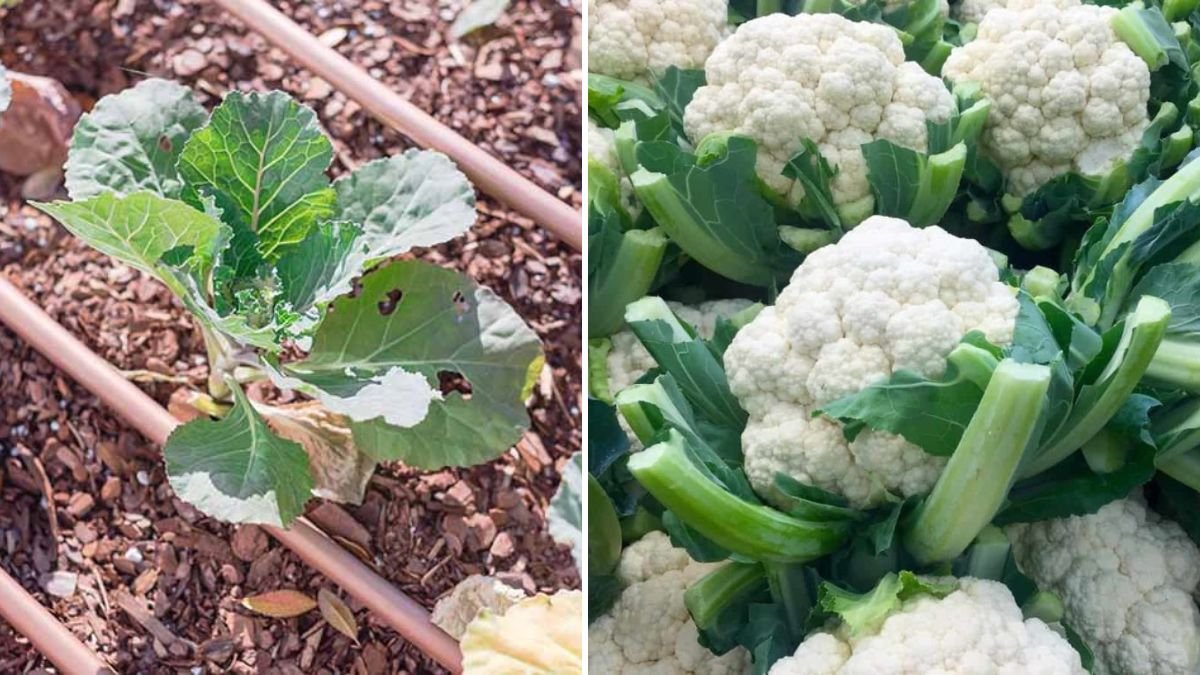
Cauliflower (Brassica oleracea var. botrytis) is a popular cruciferous vegetable prized for its versatile culinary uses and impressive nutritional profile. However, it can be a tricky plant for home gardeners, particularly when it comes to preventing bolting. Bolting is the premature flowering of the plant, which leads to a bitter taste and a decrease in the quality of the edible head. This article will outline simple techniques for successfully growing cauliflower while minimizing the risk of bolting.
Understanding Bolting
Bolting occurs when plants begin to flower and set seed prematurely. For cauliflower, this is particularly undesirable as the plant diverts energy from growing the edible head to reproductive processes. Several factors can contribute to bolting, including temperature fluctuations, water stress, and poor soil conditions. Understanding these factors is crucial to preventing early flowering.
Key Contributors to Bolting
-
Temperature:
- Cauliflower thrives in cool temperatures, ideally between 60°F (15°C) and 70°F (21°C). Variations outside this range can trigger bolting, especially sudden temperature spikes or prolonged heat.
-
Water Stress:
- Fluctuations in moisture can lead to stress, signaling the plant to reproduce. Consistent watering is essential to keep cauliflower plants healthy.
-
Nutrient Deficiencies:
- A lack of essential nutrients, particularly nitrogen, can enhance the tendency to bolt. Balanced fertilization helps to prevent this issue.
-
Light Conditions:
- Cauliflower generally requires full sun to partially shaded conditions. Changes in light exposure can also affect its growth cycle.
-
Plant Maturity:
- If cauliflower is grown too quickly due to favorable conditions, it may bolt before producing a mature head.
Techniques for Growing Cauliflower Without Risk of Bolting
1. Choose the Right Variety
Different cauliflower varieties have different growth habits and tolerances to temperature fluctuations. When selecting seeds, consider heirloom, hybrid, or local varieties that are bred for your specific climate. Fast-growing varieties may be more prone to bolting, so consider longer-maturing options that align with your seasonal climate.
2. Timing Your Planting
Cauliflower is a cool-season crop that can be planted in spring or fall.
-
Spring Planting:
Start seeds indoors 6-8 weeks before the last frost. Transplant seedlings outdoors when temperatures consistently above 50°F (10°C). -
Fall Planting:
Start seeds in mid to late summer. This timing takes advantage of the cooler fall temperatures, reducing the risk of bolting.
3. Soil Preparation
Well-draining, fertile soil is essential for successful cauliflower growth.
-
Soil Testing:
Conduct a soil test to determine pH and nutrient levels. Cauliflower prefers slightly acidic to neutral soil (pH 6.0 to 7.0). -
Amending Soil:
Incorporate organic compost and aged manure to enrich the soil with nutrients. Applying a balanced organic fertilizer at planting time can help establish strong growth.
4. Consistent Watering
Maintaining a steady moisture level is crucial for preventing bolting.
-
Water Schedule:
Water cauliflower deeply once a week, increasing frequency during particularly hot spells. Consistent moisture will reduce stress and support healthy head development. -
Mulching:
Apply a layer of organic mulch around plants to help retain soil moisture and regulate temperature.
5. Provide Shade
During extremely hot weather, providing shade can help reduce stress:
-
Shade Cloth:
Use a shade cloth or row cover during heatwaves to shield plants from direct sunlight while allowing airflow and water penetration. -
Plant Companions:
Strategically plant taller crops nearby to naturally offer shade during peak sun hours.
6. Monitor Nutrient Levels
Cauliflower requires steady nutrient intake:
-
Fertilizing:
Use a balanced fertilizer high in nitrogen during the early stages of growth. This promotes leaf development, which is crucial for size and health. -
Supplementing:
During the growing season, consider side-dressing with organic inputs, such as fish emulsion or liquid seaweed, to provide additional micros and macronutrients.
7. Avoid Overcrowding
Cauliflower plants need adequate spacing to grow effectively.
-
Crowding Effects:
When plants are crowded, they compete for light and nutrients, increasing stress levels, which can lead to bolting. -
Proper Spacing:
Space plants at least 18 to 24 inches apart to allow for adequate air circulation and sunlight.
8. Pest Management
Healthy plants are less likely to bolt, so pest management is critical.
-
Preventive Measures:
Use companion planting, crop rotation, and organic pest-repellents to deter pests that weaken plants, such as aphids and cabbage worms. -
Regular Inspections:
Check for signs of pest damage regularly and take immediate action to control any infestations.
9. Harvesting
Timely harvesting is essential for ensuring peak quality.
-
When to Harvest:
Cauliflower heads should be harvested when they are firm and before the flower buds begin to separate. This is usually when the head has reached approximately 6 to 8 inches in diameter. -
Check Regularly:
Frequent inspection helps ensure you catch the heads at the perfect moment, preventing them from maturing and risking bolting.
FAQs about Growing Cauliflower
What temperature causes cauliflower to bolt?
Cauliflower typically bolts when temperatures exceed 80°F (27°C) for prolonged periods. Maintaining cooler temperatures is key to preventing this.
Can I grow cauliflower in hot climates?
Yes, you can grow cauliflower in hot climates by choosing heat-resistant varieties and planting in fall or early spring when temperatures are cooler.
How often should I water cauliflower?
Water cauliflower deeply once a week, increasing the frequency during hot weather. Consistent moisture is crucial for growth.
What nutrients are essential for growing cauliflower?
Cauliflower requires nitrogen, phosphorus, and potassium. A balanced fertilizer can help supply these nutrients effectively.
When should I harvest my cauliflower?
Harvest cauliflower when the heads are firm and compact, generally when they reach 6 to 8 inches in diameter. Timing is vital to prevent bolting.
What pests should I watch for when growing cauliflower?
Common pests include aphids, cabbage worms, and flea beetles. Regular inspection and organic pest control methods can help manage these issues.
How can I ensure a good yield?
By following proper soil preparation, planting timing, consistent watering, and pest control measures, you can significantly enhance your yield while minimizing the risk of bolting.
Can I grow cauliflower in containers?
Yes, cauliflower can be successfully grown in containers. Ensure that the container is at least 12 inches deep and provides ample room for root growth.
Is it possible to grow cauliflower year-round?
In mild climates, it is possible to grow cauliflower year-round with careful attention to planting schedules and seasonal temperatures. In colder areas, winter-friendly varieties may be grown indoors.
By following these simple techniques, you can enjoy a productive cauliflower garden while minimizing the risk of bolting. Whether you’re a novice or seasoned gardener, understanding the needs of this vegetable will enhance your gardening experience and yield delicious, high-quality results. Happy gardening!