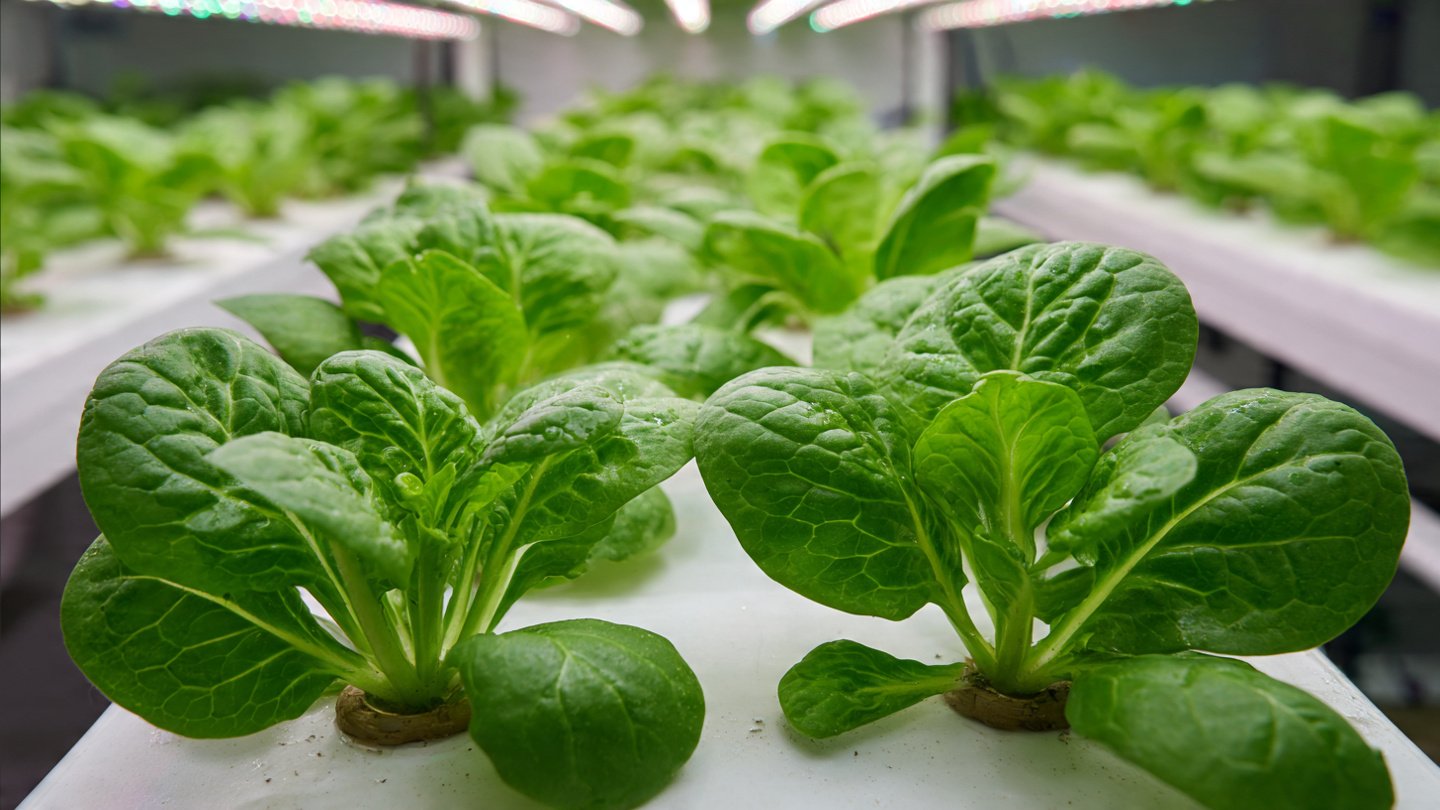
Growing spinach hydroponically at home is an excellent way for beginners to engage in gardening without the constraints of traditional soil-based methods. Hydroponics allows you to grow plants in nutrient-rich water, enabling faster growth and often better yields. With the growing interest in sustainable and home gardening, spinach stands out as an easy yet nutritious vegetable to cultivate. In this article, we will explore simple techniques for successfully growing spinach hydroponically at home and impactfully address frequently asked questions.
Understanding Hydroponics
Hydroponics is a method of growing plants without soil, using nutrient-rich water to provide essential minerals directly to the plant roots. This method has several advantages over traditional gardening, including:
- Space Efficiency: Hydroponics can be done in smaller spaces, making it ideal for urban gardening or small apartments.
- Faster Growth: Plants often grow more quickly in hydroponic systems as they have direct access to nutrients.
- Fewer Pesticides: The controlled environment reduces the need for pesticides, resulting in healthier produce.
- Year-Round Gardening: Hydroponics can be practiced indoors or in controlled environments, allowing for year-round growth.
Selecting the Right Hydroponic System
Before diving into spinach cultivation, it’s essential to choose a hydroponic system that suits your needs. Here are a few popular options:
-
Nutrient Film Technique (NFT): In this system, a thin film of nutrient solution flows over the roots of the plants. It’s efficient for fast-growing greens like spinach.
-
Deep Water Culture (DWC): Plants are suspended in a nutrient solution with their roots submerged in oxygen-rich water. DWC is relatively simple and great for beginners.
-
Ebb and Flow (Flood and Drain): This system periodically floods the grow bed with nutrient solution and then drains it, ensuring the plants receive nutrients and oxygen.
-
Wicking System: A passive system where wicks draw nutrient solution from a reservoir to the plant roots. It’s excellent for those new to hydroponics.
For beginners, the Deep Water Culture (DWC) and Wicking Systems are typically the easiest to manage, requiring less technical knowledge while still providing robust growth opportunities for spinach.
Choosing Spinach Varieties
There are several varieties of spinach you can choose from, each with its growth characteristics. Some popular types include:
- Savoy Spinach: Known for its crinkled leaves and robust flavor. It is resistant to bolting (going to seed), making it a good choice for hydroponics.
- Flat-Leaf Spinach: Easily cleaned and processed, ideal for cooking and salads.
- New Zealand Spinach: Not true spinach but offers similar flavors and is heat-tolerant, which can be beneficial in warmer climates.
Nutrient Solution Preparation
Once you’ve chosen your hydroponic system and spinach variety, you’ll need to prepare a nutrient solution. This solution provides the essential nutrients your spinach requires. Most hydroponic solutions contain macronutrients like nitrogen (N), phosphorus (P), potassium (K), and micronutrients such as magnesium, sulfur, calcium, and trace elements.
- How to Prepare:
- Purchase a Hydroponic Nutrient Mix: There are several commercial nutrient solutions available, specifically formulated for leafy greens.
- Mix According to Instructions: Always follow the manufacturer’s instructions for dilution, as over-concentration can damage the plants.
- Monitor pH: The ideal pH range for spinach is between 6.0 and 7.0. You can purchase pH kits to test and adjust your nutrient solution as needed.
Planting Spinach Seeds
Now it’s time to plant your spinach seeds. Follow these simple steps:
-
Start Seeds Indoors: Use seed trays or rock wool cubes to start your spinach seeds indoors. Place them about ½ inch deep into the growing medium.
-
Provide Sufficient Light: Spinach requires at least 12-16 hours of light daily for optimal growth. If you’re growing indoors, consider using fluorescent or LED grow lights to provide this light.
-
Optimal Temperature: Spinach thrives in cooler temperatures, ideally between 50°F to 68°F. Keeping conditions cooler will help prevent premature bolting.
-
Germination: Seeds typically germinate in 7-14 days. Keep the planting medium moist but not waterlogged during this period.
Transplanting to the Hydroponic System
After 2-3 weeks, when your seedlings have developed a healthy root system, it’s time to transplant them into your hydroponic system.
-
Carefully Remove Seedlings: Gently remove seedlings from their starting medium, ensuring not to damage the roots.
-
Place in Net Pots: Nestle the seedlings in net pots filled with clay pellets or similar medium that will support the plant while allowing for drainage and aeration.
-
Adjust Water Level: In DWC systems, ensure that the water level surrounds the base of the net pots without fully submerging the seedlings.
Regular Maintenance
Growing spinach hydroponically requires regular attention to ensure a healthy crop.
-
Nutrient Monitoring: Regularly check the nutrient solution and top off with fresh solution as needed. Change it every 2-3 weeks to prevent nutrient imbalance.
-
Lighting and Temperature Control: Maintain adequate light and temperature conditions, especially as the season changes.
-
Pest Control: Keep an eye out for common pests like aphids or whiteflies. Solutions include removing them manually or using insecticidal soap.
-
Harvesting: Spinach can be harvested by cutting leaves individually or by cutting the entire plant just above the crown to allow for regrowth. The leaves should be harvested when they reach around 4-6 inches in length.
Troubleshooting Common Issues
Even with the best efforts, issues might arise. Here are some common challenges and their solutions:
-
Yellow Leaves: Often indicates nutrient deficiency (nitrogen is usually the culprit). Adjust your nutrient solution accordingly.
-
Bolting: Spinach can bolt (go to seed) prematurely due to stress from high temperatures or inadequate light. If this occurs, ensure you have proper temperature control and peaks of light.
-
Root Rot: This can occur in overly saturated conditions. Ensure that your system has adequate aeration and that roots do not remain submerged too long.
Final Thoughts
Growing spinach hydroponically at home is an achievable and rewarding endeavor for beginners. With the right system, attention to detail, and care, you can enjoy a continuous harvest of fresh, nutritious spinach. The benefits of hydroponic gardening not only contribute positively to your table but also create a sustainable practice you can enjoy year-round.
Frequently Asked Questions (FAQs)
1. How long does it take for spinach to grow hydroponically?
Spinach typically takes about 4 to 6 weeks from seed to harvest. Growth may vary depending on environmental factors and the specific variety grown.
2. Do I need special equipment to grow spinach hydroponically?
Yes, you will need a hydroponic setup, which can range from simple DIY systems to commercial units. Essential equipment includes a nutrient reservoir, grow lights, and a pump (depending on the system).
3. Can I grow spinach outdoors hydroponically?
Yes, spinach can be grown outdoors using hydroponic systems, but you’ll need to manage temperature and light conditions, especially in extreme weather.
4. Is it necessary to use additional grow lights if I’m growing spinach indoors?
If your indoor space lacks sufficient natural light (12-16 hours), using grow lights will ensure your spinach grows effectively.
5. How often should I change the nutrient solution?
It’s recommended to replace the nutrient solution every 2-3 weeks to maintain balanced nutrient levels and prevent any buildup of algae or pathogens.
6. Can I grow other vegetables with spinach in the same hydroponic system?
Yes, many leafy greens like lettuce and kale can thrive alongside spinach in a hydroponic system, but be mindful of each plant’s spacing and nutrient needs.
7. What are the signs of nutrient deficiency in spinach?
Common signs include yellowing leaves, stunted growth, or poor leaf quality. Monitoring your nutrient solution regularly will help mitigate these issues. Adjust as needed based on observations.
By following these techniques and being mindful of the conditions in your hydroponic system, you can cultivate fresh spinach with ease and enjoy the many benefits it brings, from health to the satisfaction of home gardening.