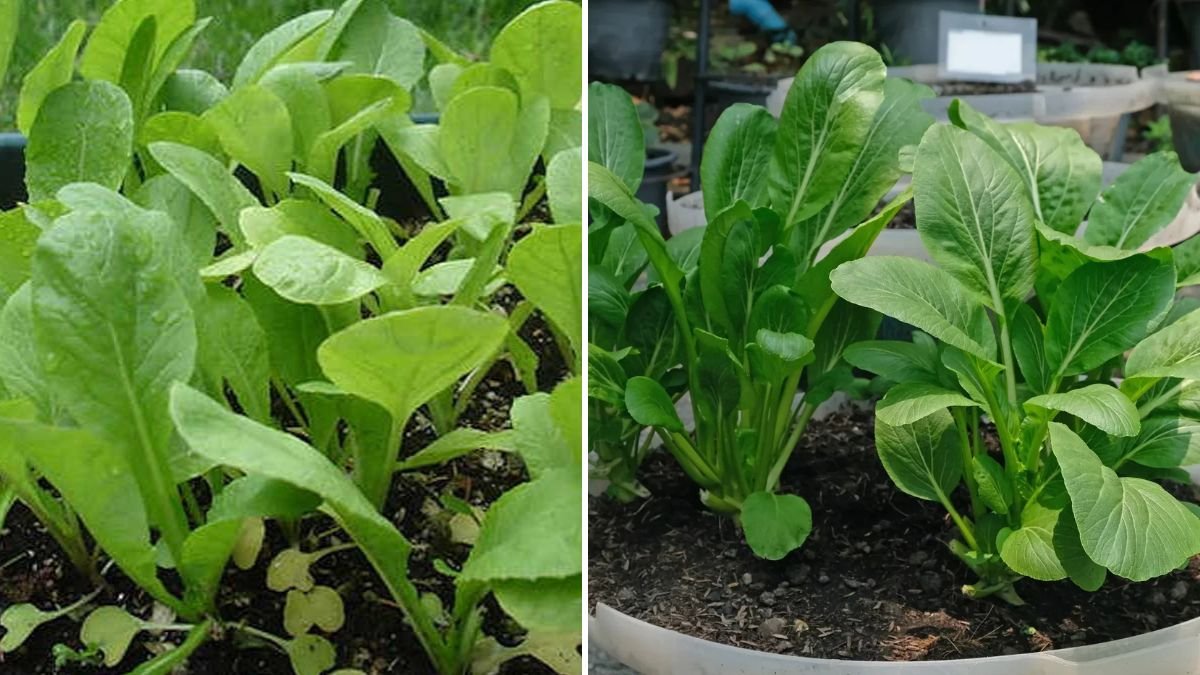
Growing mustard greens at home can be a rewarding endeavor, and with the right techniques, you can cultivate these nutrient-rich leafy greens quickly and efficiently. This article will guide you through the process, covering everything from soil preparation to pest control, ensuring a bountiful harvest of fresh mustard greens.
What Are Mustard Greens?
Mustard greens (Brassica juncea) are leafy vegetables that belong to the Cruciferae or Brassicaceae family. Known for their slightly spicy flavor, these greens are packed with vitamins A, C, and K, as well as antioxidants and dietary fiber. They can be eaten raw in salads, sautéed, or added to soups and stews. Their fast growth cycle makes them an excellent choice for home gardeners.
Choosing the Right Variety
Before you start planting, it’s essential to select the right variety of mustard greens. Here are a few popular choices:
- Southern Giant Curled Mustard: This variety is known for its frilly, dark green leaves and is particularly hardy.
- Japanese Mustard: Also known as ‘Giant Red Mustard,’ this variety has a spicy flavor and maroon-colored leaves.
- Green Wave Mustard: Recognized for its crinkly texture, it holds up well in salads and cooked dishes.
Preparing the Soil
- Location: Mustard greens thrive in full sun. Choose a location that receives at least 6-8 hours of sunlight per day.
- Soil Quality: Mustard greens prefer well-draining, fertile soil rich in organic matter. The ideal pH level should be between 6.0 and 7.5.
- Soil Preparation:
- Tilling: Break up the soil and aerate it to allow for good root development.
- Organic Matter: Mix in compost or well-rotted manure to enhance soil fertility.
- Testing pH: Use a soil test kit to check the pH level, and amend as needed with lime or sulfur.
Sowing Seeds
- Timing: Mustard greens are cool-season crops and can be sown in early spring or late summer for a fall harvest.
- Seed Depth: Plant seeds about ¼ to ½ inch deep. Space them approximately 2 inches apart to allow for adequate growth.
- Row Spacing: Space rows 12 to 18 inches apart to give plants enough room to spread.
Watering
- Initial Watering: After sowing, lightly water the soil to promote seed germination. It’s crucial to keep the soil consistently moist but not soggy.
- Ongoing Care: Water deeply once or twice a week, depending on weather conditions. During dry spells, consider increasing your watering frequency.
- Mulching: Use organic mulch such as straw or grass clippings to help retain moisture, suppress weeds, and maintain an even soil temperature.
Thinning Seedlings
Once your mustard greens start sprouting, it may be necessary to thin them out. Thinning is crucial to prevent overcrowding, which can lead to stunted growth and increased competition for nutrients.
- Timing: Thin seedlings when they have two to three true leaves.
- Spacing: Aim for a final spacing of 6 to 8 inches between plants.
Fertilizing
- Initial Nutrients: If you mixed compost into your soil beforehand, you might not need additional fertilizer initially. However, if growth appears stunted, consider applying a balanced, all-purpose organic fertilizer.
- Application: Fertilize according to package instructions, usually once during the growing season when the plants are developing their leaves.
Pest Control
While mustard greens are relatively hardy, they can still fall prey to pests. Here are some common pests and natural control methods:
- Aphids: These tiny insects can be controlled by spraying a mixture of water and soap on affected leaves.
- Cabbage Worms: Handpick these green caterpillars off your plants, or use row covers to protect young seedlings.
- Fleabeetles: Another common pest, these can be deterred by using insect netting or planting mustard greens alongside crops such as radishes, which repel them.
Harvesting Mustard Greens
- Timing: Mustard greens can be harvested as soon as they reach about 4 to 6 inches tall, typically within 30 to 40 days after planting.
- Method: Use sharp scissors or a knife to cut leaves from the outer edges of the plant. This encourages further growth from the center.
- Continued Harvesting: You can continuously harvest leaves throughout the growing season, as long as you leave the inner, younger leaves intact.
Storage
Mustard greens are best enjoyed fresh, but if you have leftovers, store them properly.
- Refrigeration: Store unwashed mustard greens in a plastic bag in the refrigerator, where they can last for up to a week.
- Freezing: For long-term storage, consider blanching the greens and then freezing them in airtight containers.
Quick Tips for Accelerating Growth
- Succession Planting: Sow seeds every 2-3 weeks for a continuous harvest throughout the growing season.
- Use Row Covers: Floating row covers can provide warmth and protection from pests as seeds germinate.
- Grow Indoors: If you’re short on outdoor space, consider growing mustard greens in pots indoors on a sunny windowsill.
Additional Growing Techniques
- Hydroponics: Mustard greens can be grown hydroponically, requiring less space and soil.
- Aquaponics: Combine growing plants with raising fish in aquaponics systems for efficient nutrient cycling.
Troubleshooting Common Issues
- Slow Growing Plants: If growth is slow, check for poor drainage, lack of nutrients, or insufficient sunlight.
- Yellowing Leaves: This can indicate nutrient deficiency or overwatering. Assess both conditions to rectify the situation.
- Bolting: If plants bolt (flower early), it may be due to stress from heat, lack of water, or age. Remove flower stalks to redirect energy for leaf growth.
FAQs
1. How long do mustard greens take to grow?
Mustard greens usually take about 30 to 40 days from planting to harvest, depending on the variety and growing conditions.
2. Can I grow mustard greens in containers?
Yes, mustard greens can be grown in containers. Choose a pot that is at least 6 to 8 inches deep for optimal root development.
3. What is the best time of year to plant mustard greens?
Mustard greens do best in cool weather. Plant in early spring or late summer for a fall harvest.
4. How often should I water my mustard greens?
Water deeply once or twice a week, adjusting depending on temperature and rainfall. The soil should be kept consistently moist but not soggy.
5. Do mustard greens need full sun?
Yes, mustard greens prefer full sun for at least 6-8 hours a day to grow optimally.
6. Can I eat mustard greens raw?
Absolutely! Mustard greens can be enjoyed raw in salads or sandwiches, but they can also be cooked in various dishes.
7. What pests should I watch out for?
Common pests include aphids, cabbage worms, and flea beetles. Regular monitoring and quick action can help control them.
Conclusion
Growing mustard greens can be incredibly fulfilling, and they offer a host of health benefits. With the right methods, you can quickly cultivate these delicious greens at home, enjoying fresh, nutritious harvests in no time. By following the tips and guidelines provided, you’ll be on your way to becoming a successful mustard green gardener. Happy planting!