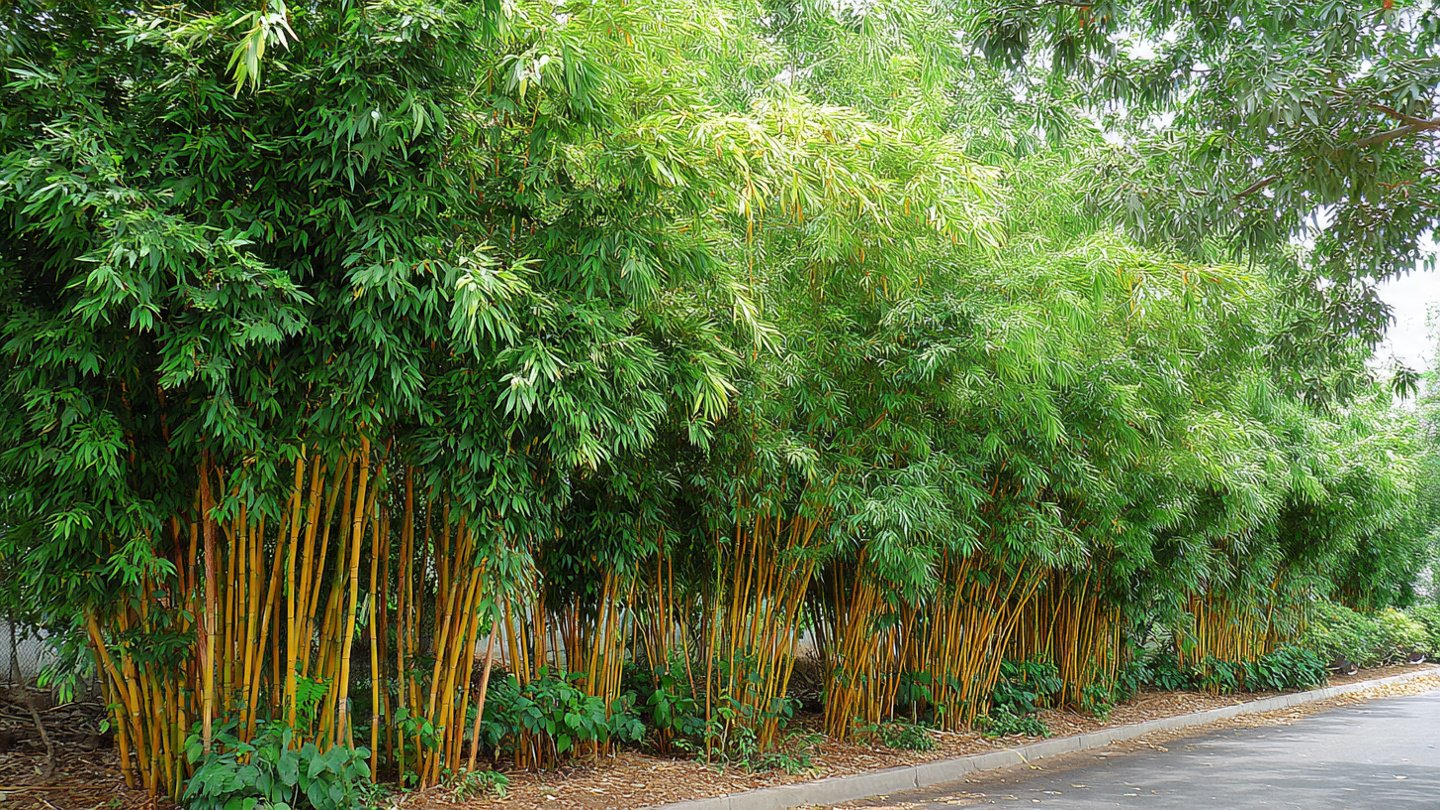
Bamboo, with its elegant stature and intricate textures, can elevate any landscape design. Though often associated with the sprawling, running types, clumping bamboo offers a more controlled and contained growth pattern, making it an ideal choice for residential and commercial landscapes alike. In this article, we’ll explore simple tricks to successfully cultivate clumping bamboo and how you can seamlessly integrate it into your landscape design.
Understanding Clumping Bamboo
Characteristics
Clumping bamboo (subfamily Bambusoideae) grows in tight clusters, forming a dense and bushy appearance. This behavior contrasts sharply with running bamboo species, which can spread aggressively through underground rhizomes. Clumping bamboo not only occupies a smaller footprint but also tends to be more manageable and less invasive.
Benefits of Clumping Bamboo
- Aesthetic Appeal: The vertical growth and verdant leaves can add a tropical feel to any garden.
- Privacy Screens: Its dense growth provides a natural and effective privacy barrier.
- Natural Windbreaks: Clumping bamboo can mitigate wind, serving as a natural windbreak in exposed gardens.
- Low Maintenance: Once established, clumping bamboo requires minimal upkeep, thriving in various conditions.
- Habitat for Wildlife: Bamboo groves can support local wildlife, offering shelter and food sources.
Selecting the Right Variety
Choosing the right species is paramount for your landscape design. Some popular varieties of clumping bamboo include:
- Fargesia: Ideal for cooler climates, with varieties like Fargesia robusta and Fargesia murielae known for their hardiness and beauty.
- Bambusa: Particularly well-suited for warm climates, varieties like Bambusa vulgaris are appreciated for their height and strength.
- Himalayacalamus: Offers unique coloration and is often used in ornamental gardens.
Factors to Consider When Choosing Bamboo
- Climate: Ensure the species you select matches your local climate. Some varieties thrive in cooler regions while others prefer tropical environments.
- Height: Different clumping bamboo species can range from 5 to 30 feet tall. Select a height that complements your landscape without overpowering other design elements.
- Growth Rate: Some varieties grow rapidly, while others are slower. Consider how quickly you want your bamboo to establish itself.
Planting Clumping Bamboo
Planting is a crucial step in ensuring your clumping bamboo flourishes. Here’s how to do it effectively:
Step 1: Choosing the Right Location
Clumping bamboo prefers full sun to partial shade, depending on the variety. Consider the following:
- Sunlight: Position in an area that receives at least 6 hours of sunlight daily.
- Soil Quality: Bamboo thrives in well-drained, nutrient-rich soil. Test your soil beforehand; adding organic matter can improve drainage and fertility.
Step 2: Preparing the Soil
- Clearing the Area: Remove any weeds or debris from the planting site.
- Soil Amendments: Incorporate organic materials like compost or well-rotted manure to enhance soil quality.
Step 3: Planting Techniques
- Spacing: Space the plants according to the variety’s mature size, generally 3 to 5 feet apart.
- Depth: Dig a hole that is twice as wide as the root ball and the same depth. Place the root ball in the hole, ensuring the top is level with the soil surface.
- Firming the Soil: Backfill the hole with soil, pressing it gently around the root ball to eliminate air pockets.
Step 4: Watering Immediately After Planting
Thoroughly water the newly planted bamboo to help it settle and encourage root growth. Consistent moisture is vital during the first few weeks for establishment.
Caring for Clumping Bamboo
Once your bamboo is planted, caring for it is relatively straightforward. Below are key care practices:
Watering
Bamboo likes moisture but hates to be waterlogged. Water regularly, particularly during dry spells, ensuring the soil remains slightly moist but not soggy.
Nutrient Management
- Fertilizing: Use a nitrogen-rich fertilizer in the spring to promote healthy growth. Organic fertilizers, such as fish emulsion or compost, are great options.
- Mulching: Apply a 2-3 inch layer of mulch to help retain moisture, suppress weeds, and enrich the soil as it breaks down.
Pruning
Regular pruning keeps clumping bamboo healthy and attractive:
- Removal of Dead Canes: Cut back any dead or damaged canes at the base to encourage new growth.
- Thinning: To maintain shape and encourage air circulation, thin the canes by selectively removing a few older canes each spring.
Pest and Disease Management
While clumping bamboo is generally resistant to pests and diseases, keep an eye out for:
- Aphids: These small insects can cause leaf curling. If present, spray with a gentle soap solution or insecticidal soap.
- Bamboo Mites: A common pest that can affect growth and vigor; treat with appropriate pesticides or horticultural oils.
Designing with Clumping Bamboo
Integrating clumping bamboo into your landscape design can create focal points, screens, or soft transitions between spaces. Here are some ideas:
1. Privacy Screens
Plant dense rows of clumping bamboo to create natural privacy barriers around patios or pools. This not only provides seclusion but adds a lush aesthetic.
2. Accent Pieces
Use taller varieties as focal points in landscape beds, allowing their height and texture to stand out against shorter plants or ground cover.
3. Borders and Pathways
Clumping bamboo can define borders or pathways, leading visitors through your garden with its graceful arches.
4. Containers
For smaller spaces or patios, consider planting clumping bamboo in pots or containers. Ensure your containers have excellent drainage to prevent root rot.
5. Mixed Planting
Combine clumping bamboo with other complementary plants such as ferns, hostas, or flowering perennials to create a rich, diverse ecosystem in your garden.
Troubleshooting Common Issues
While caring for clumping bamboo is generally simple, you may encounter issues. Here are some common problems and their solutions:
1. Yellowing Leaves
This could indicate overwatering, poor drainage, or nutrient deficiencies. Check your watering practices and consider applying a balanced fertilizer.
2. Poor Growth
If your bamboo isn’t growing as expected, evaluate its sun exposure and soil conditions. You may need to amend the soil or relocate some plants for optimal growing conditions.
3. Invasive Roots
While clumping bamboo is less invasive than running varieties, it can still spread. Install a barrier if you’re concerned about its growth spreading beyond desired limits.
FAQs About Cultivating Clumping Bamboo
Q1: How much sunlight does clumping bamboo need?
Clumping bamboo typically thrives in full sun to partial shade. Aim for at least 6 hours of sunlight per day for optimal growth.
Q2: Can clumping bamboo survive winter?
Many varieties of clumping bamboo are cold-hardy, but it largely depends on the specific species. Fargesia species are well-suited for cooler climates.
Q3: How often should I water my bamboo?
Initially, water regularly to keep the soil slightly moist but not saturated. Once established, bamboo is relatively drought-resistant but benefits from occasional watering during dry spells.
Q4: Do I need to fertilize my bamboo?
Yes, a nitrogen-rich fertilizer in the spring helps promote healthy growth. Organic options like compost are also effective.
Q5: Can I grow clumping bamboo in a pot?
Absolutely! Clumping bamboo can thrive in containers. However, ensure proper drainage and select a size that accommodates its root system.
Q6: How do I control the height of my bamboo?
Pruning is an effective way to manage the height and shape of your clumping bamboo. Trim back tall canes as necessary, especially if they become overcrowded.
Q7: Do clumping bamboo species attract pests?
While generally pest-resistant, clumping bamboo can attract some insects like aphids. Regular inspections and preventative measures can mitigate pest issues.
Q8: Is clumping bamboo environmentally friendly?
Yes! Bamboo is a sustainable plant, growing quickly and absorbing carbon dioxide effectively. It can also support local wildlife and enhance biodiversity in your garden.
Conclusion
Cultivating clumping bamboo can be a rewarding endeavor that enhances your landscape design. By selecting the right variety, preparing suitable planting conditions, and keeping up with its care, you can create a beautiful and thriving bamboo garden. Embrace these simple tricks and allow the elegance of clumping bamboo to transform your outdoor space into a serene retreat.