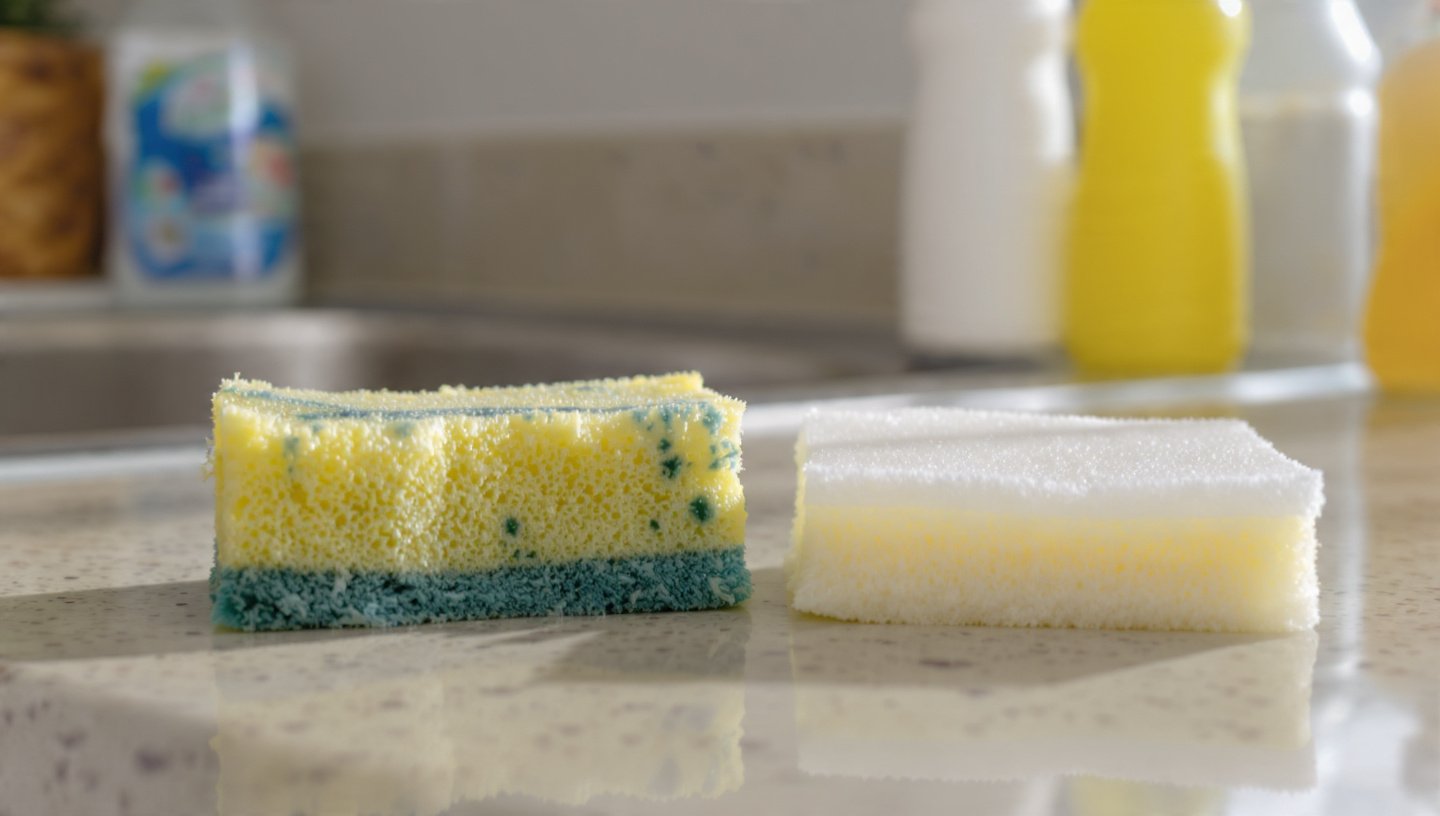
The kitchen is often regarded as the heart of the home, a place where families gather to prepare and enjoy meals. However, alongside this warm ambiance lurks a significant hygiene concern: kitchen sponges. These everyday items, essential for cleaning, can also become hotbeds for bacteria if not replaced regularly. This article delves into how timely replacement of sponges can enhance kitchen hygiene significantly.
Why Sponges Are Breeding Grounds for Bacteria
Kitchens are filled with various surfaces that collect food particles, grease, and moisture, creating an ideal environment for bacteria to flourish. Sponges, due to their porous structure and water retention ability, are perfect for harboring these unwanted microorganisms:
- High Moisture Content: Sponges remain wet for extended periods, providing a constant supply of moisture to bacteria.
- Food Particles: Any food residue left on the sponge serves as nourishment for bacteria.
- Warm Environment: The kitchen often maintains a warm temperature, further facilitating bacterial growth.
Studies have shown that some kitchen sponges can harbor millions of bacteria, including E. coli and Salmonella. Consequently, if proper hygiene is not maintained, the very tools meant to clean can inadvertently cause foodborne illnesses.
When to Replace Your Sponge
So, how often should you replace your sponge? While it might be tempting to hold onto a sponge until it looks visibly dirty, this can be dangerous. Health experts recommend the following:
- Every 1-2 Weeks: For regular kitchen use, replacing sponges every week or two is advisable.
- After Heavy Use: If your sponge has been used to clean up raw meat or spills, replace it immediately.
- Signs of Wear: When a sponge starts to smell, break down, or show visible signs of wear, it’s time for a replacement.
Alternatives to Traditional Sponges
While many of us are accustomed to using traditional sponges, there are several alternatives that can enhance kitchen hygiene even further:
- Dishcloths: Made from cotton or other materials, these can be washed frequently and are less likely to harbor bacteria.
- Scrub Brushes: More rigid than sponges, scrub brushes can be cleaned thoroughly after each use and dry faster than sponges.
- Disposable Wipes: While not as environmentally friendly, disposable wipes can significantly reduce the risk of cross-contamination.
Best Practices for Sponge Care
If you prefer to stick with sponges, there are several best practices to follow, which can help minimize bacterial growth:
- Rinse Thoroughly: After each use, rinse your sponge well to remove food particles.
- Dry Completely: Allow sponges to dry out completely between uses, as bacteria thrive in wet environments.
- Microwave Sanitization: Microwaving a damp sponge for two minutes can kill bacteria, though this should not replace regular replacement.
- Avoid Cross-contamination: Use different sponges for different tasks (e.g., one for dishes, one for surfaces) to reduce cross-contamination.
Insights from Hygiene Experts
To gain a deeper understanding of the importance of sponge replacement and kitchen hygiene, we consulted several hygiene experts. Their insights reveal that the kitchen can be a major source of foodborne illnesses, primarily due to improper cleaning methods:
“The sponge you use can be more contaminated than the surface you’re trying to clean. Timely replacement and alternative cleaning methods can lead to significantly better hygiene outcomes.” – Dr. Emily Carter, Microbial Hygienist.
Moreover, using one sponge for various cleaning tasks can increase the risk of cross-contamination. For instance, using the same sponge for cleaning raw meats and countertops can transfer harmful bacteria to surfaces where food is prepared.
Conclusion
Kitchen hygiene is paramount to ensuring a safe and healthy environment for food preparation. By understanding the risks associated with sponges and the necessity for timely replacements, we can reduce the likelihood of bacteria proliferation in our kitchen. Regularly replacing sponges, utilizing alternative cleaning methods, and following best practices for sponge care can lead to a cleaner, more hygienic kitchen. Ultimately, being proactive about kitchen hygiene not only protects our health but also enhances the pleasure of cooking and sharing meals with loved ones.
Frequently Asked Questions (FAQs)
1. How can I tell if my sponge is too dirty to use?
If your sponge begins to smell bad, shows visible signs of decay, or feels slimey, it’s time to replace it.
2. Can I sanitize my sponge instead of replacing it?
While you can sanitize your sponge using methods like microwaving, it’s still essential to replace it regularly to ensure optimal hygiene.
3. Are there eco-friendly alternatives to sponges?
Yes, there are many eco-friendly cleaning options available, including biodegradable dishcloths and natural scrub brushes that can reduce environmental impact.
4. What materials are best for kitchen cleaning tools to minimize bacteria growth?
Materials such as microfiber, cotton, or bamboo are less likely to harbor bacteria compared to traditional synthetic sponges.
5. How can I effectively reduce bacteria in my kitchen besides replacing sponges?
Regular cleaning of all surfaces, washing hands frequently, and using separate utensils for different food types can significantly improve kitchen hygiene.