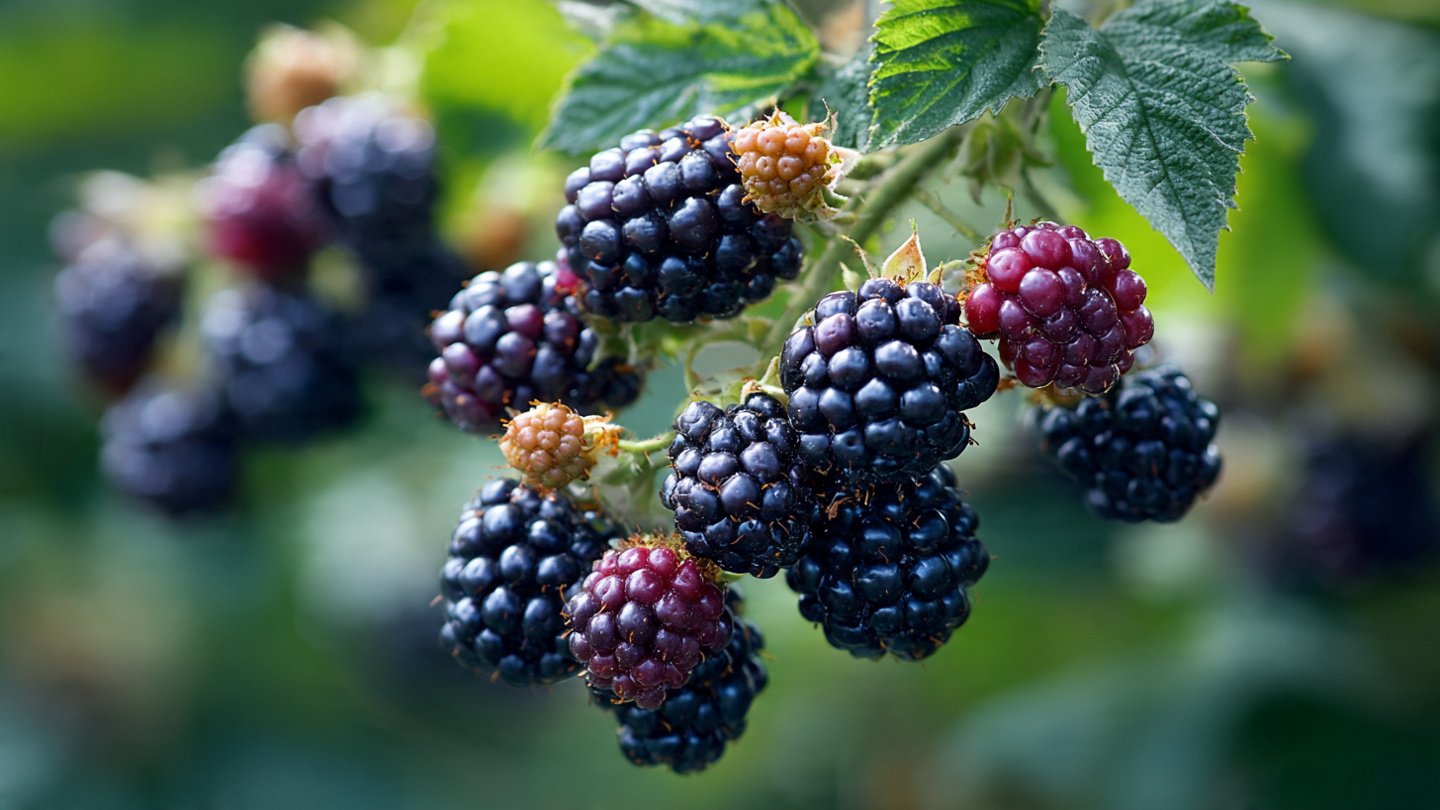
Growing blackberries can be a rewarding venture, especially for those in Canada with a passion for gardening and the outdoors. These luscious, dark fruits not only provide a burst of flavor in your culinary creations but are also packed with vitamins and antioxidants. This guide will provide comprehensive information on growing blackberries in Canada, including ideal climate conditions, suitable varieties, planting techniques, care and maintenance, harvesting, and troubleshooting.
Understanding the Blackberry Plant
Blackberries (Rubus fruticosus) are part of the Rosaceae family, which also includes raspberries and strawberries. They thrive in various climates but are particularly well-suited to cooler climates like Canada’s. These perennial plants can produce fruit for many years, making them a great investment for any gardener.
Climate Conditions
Blackberries prefer a temperate climate with plenty of sunshine, which is found in many regions across Canada. Here are some key climate considerations:
- Temperature: Blackberries thrive in temperatures between 20°C to 30°C (68°F to 86°F). However, they can withstand cooler temperatures down to -20°C (-4°F) during dormancy.
- Sunlight: These plants require full sun for optimal growth—at least 6–8 hours of direct sunlight daily.
Suitable Varieties for Canadian Climates
Choosing the right variety of blackberry is crucial for success. Here are some blackberry varieties that perform well in Canada:
- Boysenberry: A hybrid of blackberry and raspberry, Boysenberries are sweet and tangy, thriving in many Canadian climates.
- Chester Thornless Blackberry: This variety is cold-hardy and does not require much maintenance. It produces large, sweet berries.
- Black Satin: Another thornless variety, Black Satin is highly productive and resistant to diseases, making it perfect for beginners.
- Brazos: Known for its adaptability, Brazos can withstand heat and colder temperatures, making it suitable for diverse Canadian climates.
Planting Blackberries
When to Plant
The best time to plant blackberries in Canada is in the spring after the last frost. This allows the plants to establish roots before the hot summer months.
Selecting the Right Location
- Soil Type: Blackberries prefer well-drained, loamy soil with a pH of 6.0 to 6.8.
- Drainage: Ensure the planting area has good drainage to prevent waterlogging, which can harm the roots.
Steps to Plant Blackberries
-
Prepare the Soil:
- Clear the planting area of weeds, debris, and rocks.
- Amend the soil with organic matter like compost or well-rotted manure to improve fertility.
-
Dig the Holes:
- Dig holes that are about 45-60 cm (18-24 inches) apart. Each hole should be about 30-45 cm (12-18 inches) deep to accommodate the root ball.
-
Planting:
- Gently place the plant in the hole, ensuring that the roots are spread out.
- Cover the roots with soil and pat down gently to remove any air pockets.
-
Watering:
- Water thoroughly after planting to help the soil settle around the roots.
-
Mulching:
- Apply a layer of mulch (straw, wood chips, or shredded leaves) around the base of the plant to retain moisture and suppress weeds.
Care and Maintenance
Once your blackberries are planted, ongoing maintenance is crucial for healthy growth and fruit production.
Watering
Blackberries require moderate watering. Keep the soil evenly moist but not soggy:
- Water weekly during dry spells.
- Avoid overhead watering to reduce the risk of diseases.
Fertilization
To promote healthy growth, apply a balanced fertilizer in early spring when the plants awaken from dormancy:
- Use a 10-10-10 fertilizer (N-P-K) or organic alternatives.
- Follow the manufacturer’s instructions for application rates.
Pruning
Pruning is essential for maintaining plant health and improving fruit yields:
- Time: Prune in late winter or early spring before new growth begins.
- Technique: Remove dead or weak canes and shorten the remaining canes to about 30-60 cm (12-24 inches) from the ground.
Pest and Disease Management
Blackberries can be susceptible to various pests and diseases, including:
- Root Rot: Caused by overwatering or poorly drained soil—ensure good drainage.
- Spider Mites: Regularly check leaves for signs and treat with insecticidal soap if necessary.
- Botrytis Blight: A fungal disease that affects ripening fruit—improve air circulation by proper pruning.
Harvesting Blackberries
When to Harvest
Blackberries are typically ready to harvest in mid to late summer, depending on the variety. The fruits should be plump, shiny, and dark black in color.
Harvesting Techniques
- Gently roll the berries in your fingers; they should easily detach from the stem.
- Harvest early in the morning when temperatures are cooler, retaining fruit freshness.
Storing Blackberries
Freshly harvested blackberries can be stored in the refrigerator for approximately 5-7 days. To extend their shelf life, consider freezing them:
- Wash and dry the berries.
- Spread them in a single layer on a baking sheet and freeze.
- Once frozen, transfer to airtight containers or freezer bags.
Troubleshooting Common Issues
As with any gardening effort, you may encounter challenges. Here are some common issues and their solutions:
- Slow Growth: This may be due to inadequate sunlight or compacted soil. Ensure plants are in a sunny spot and consider loosening the soil.
- Poor Fruit Yield: Insufficient fertilization or a lack of pollination could be the causes. Ensure adequate nutrients and consider planting nearby flowers to attract pollinators.
- Diseased Plants: Remove infected plants immediately to prevent spreading. Always practice crop rotation and avoid planting blackberries in the same spot every year.
FAQs
Q1: Can I grow blackberries in pots?
A1: Yes, blackberries can be grown in pots, especially dwarf varieties like “Little Blackberry,” making them suitable for patios or small gardens.
Q2: How do I prevent birds from eating my blackberries?
A2: Use bird netting or garden fabric to cover the plants when they fruit. Scare tactics like wind chimes or reflective objects can also help keep birds away.
Q3: Are blackberries self-pollinating?
A3: Most blackberry varieties are self-pollinating; however, having more than one plant can increase your yield through cross-pollination.
Q4: How often should I water my blackberry plants?
A4: Water your blackberry plants weekly, ensuring the soil remains consistently moist, especially during dry spells.
Q5: Do blackberries need support as they grow?
A5: Yes, most blackberry varieties benefit from trellising or support systems to keep canes upright, improve air circulation, and facilitate easier harvesting.
Q6: How long does it take for blackberries to produce fruit?
A6: Depending on the variety, blackberries typically begin producing fruit within 1-2 years after planting.
Conclusion
Growing blackberries in Canada can be a delightful and fruitful hobby. By understanding the climate conditions, selecting the right varieties, following proper planting techniques, and maintaining your plants, you can enjoy the delicious taste of fresh blackberries right from your garden. Remember to stay vigilant for pests and diseases, and soon you’ll be reaping the rewards of your labor with bountiful harvests.
With this comprehensive guide, beginners can confidently embark on their blackberry-growing journey, ensuring that your garden becomes a thriving haven for these delectable fruits. Happy gardening!