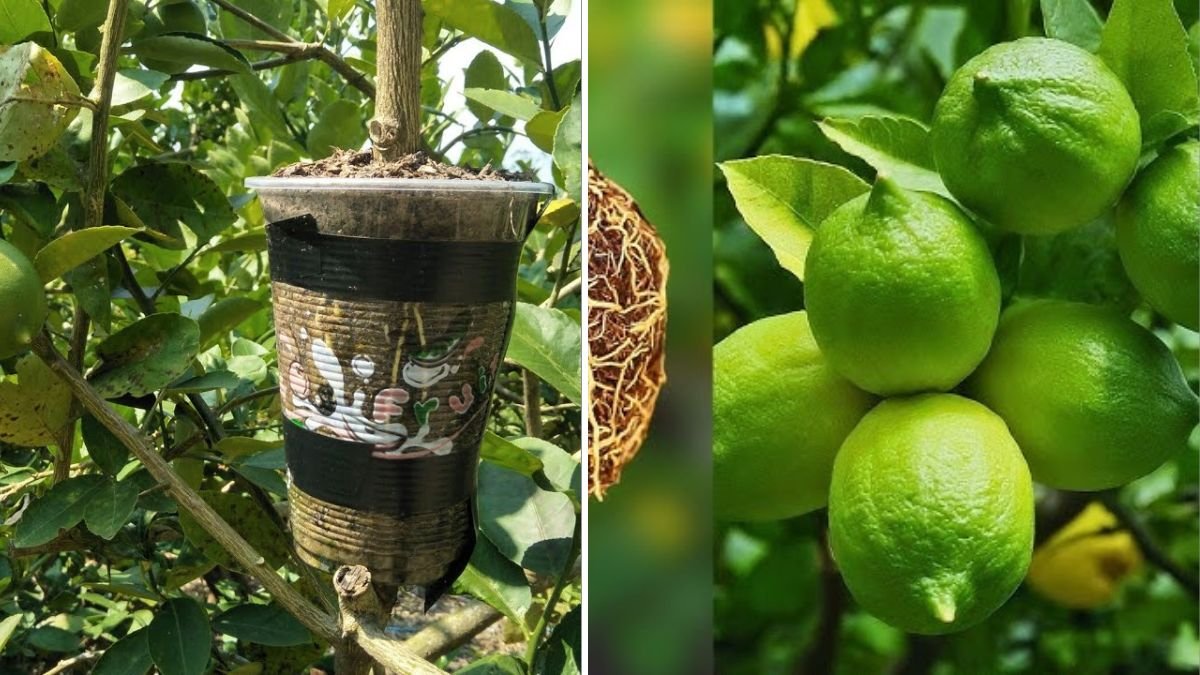
Lemon trees are among the most rewarding fruit trees to grow at home. Their fresh citrus fragrance, evergreen foliage, and ability to fruit nearly year-round make them a true joy for any gardener. But what many people don’t realize is that they can easily propagate new lemon trees naturally—without any chemicals, complicated tools, or expensive nursery supplies.
Nature itself provides everything you need to multiply your lemon trees. With simple household materials and gentle techniques, you can grow new lemon plants that are healthy, strong, and much faster to fruit compared to seed-grown trees.
In this detailed guide, you will learn how to propagate lemon trees the completely natural way, step-by-step. Whether you’re a beginner or an experienced gardener, you’ll find easy and powerful techniques that deliver great success.
Why Natural Propagation Works Better
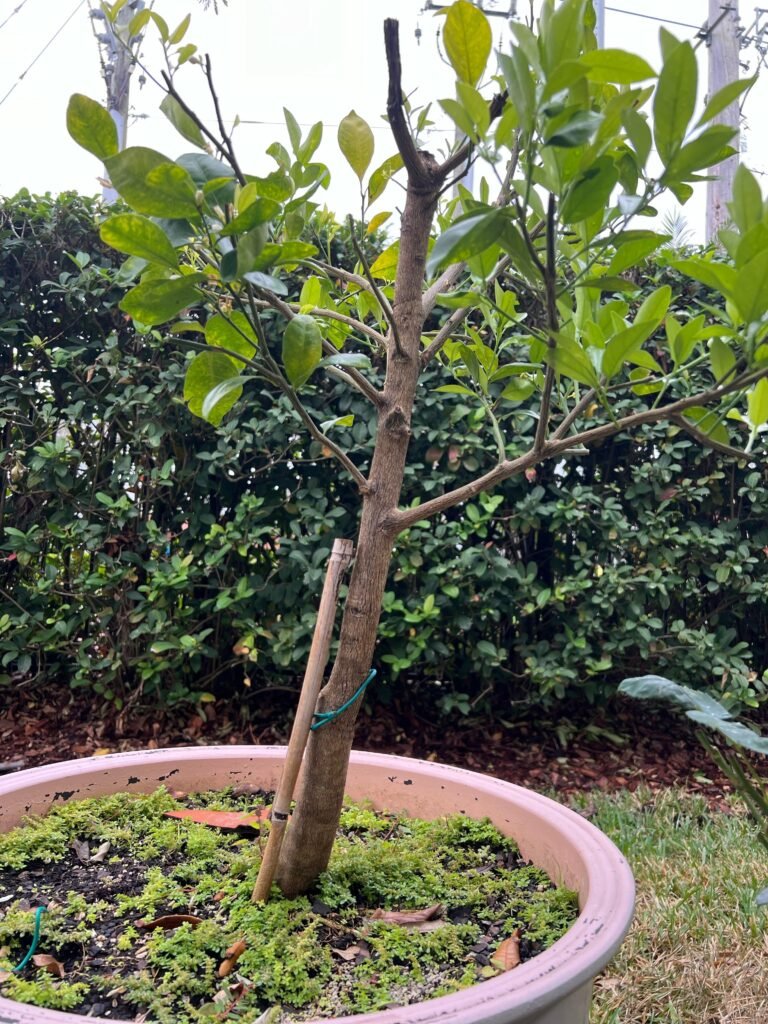
Many gardeners prefer natural methods because:
No chemicals
Rooting is done using natural plant hormones found in common ingredients.
Eco-friendly and safe
You avoid synthetic rooting powders and artificial additives.
Higher success rate
Natural techniques gently stimulate plant tissues, reducing shock.
Cost-free
You can propagate many lemon trees without spending a single rupee.
Faster growth compared to seed propagation
Cuttings grown naturally can fruit in just 1–2 years.
The Two Best Natural Ways to Propagate Lemon Trees
There are several methods to propagate lemon trees, but the two most effective natural approaches are:
1. Stem Cuttings Using Natural Rooting Boosters
2. Air-Layering Using Organic Materials
Both these techniques give high success rates and quick establishment.
Let’s break each down in detail.
1. Natural Propagation Using Lemon Stem Cuttings
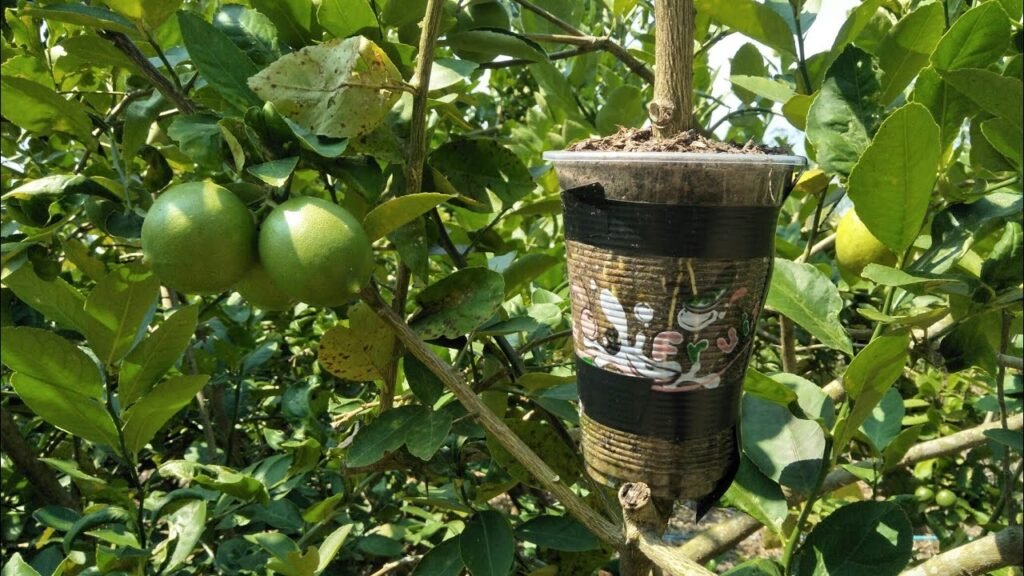
Stem cutting propagation is one of the oldest and most trusted natural techniques. Using completely organic materials, you can encourage the cuttings to develop strong roots quickly.
What You’ll Need
- Sharp knife or pruning shears
- Healthy lemon branch
- Small pot with drainage
- Soil mix (compost + garden soil + sand)
- Natural rooting boosters
- Transparent plastic bag
Natural Rooting Boosters You Can Use
Instead of chemical rooting powder, try these natural alternatives:
1. Honey (Natural antibacterial & mild root stimulator)
Mix 1 tablespoon honey in 1 cup warm water.
2. Aloe Vera Gel
Contains natural rooting hormone (auxins).
3. Cinnamon Powder
Prevents fungal infections and boosts healing.
4. Willow Water
Made by soaking willow branches in water overnight—rich in natural rooting hormones.
These natural materials not only promote rooting but also protect against fungus and rotting.
Step-by-Step Guide to Natural Lemon Cutting Propagation
Step 1: Choose the Right Branch
Pick a healthy branch that:
- Is semi-hardwood (not too soft or old)
- Has at least 3–4 leaf nodes
- Is free from pests and disease
Cut a 6–8 inch long piece.
Step 2: Prepare the Cutting
- Remove leaves from the bottom half
- Keep 2–3 leaves on the top
- Make a slanted cut at the bottom to increase surface area
Step 3: Dip in Natural Rooting Booster
Choose one:
- Honey solution
- Aloe vera gel
- Cinnamon powder
- Willow water
Dip the bottom 1 inch of the cutting thoroughly.
Step 4: Prepare the Soil
Use a loose, airy mixture:
- 40% compost
- 40% garden soil
- 20% sand or cocopeat
This prevents waterlogging, which is the #1 enemy of cuttings.
Step 5: Plant the Cutting
Insert the treated end 2 inches deep.
Step 6: Create a Natural Humidity Dome
Cover with a plastic bag or transparent container to trap moisture.
This mimics greenhouse conditions.
Step 7: Place in Indirect Sunlight
Avoid direct sunlight—it causes dehydration.
Step 8: Water Correctly
- Keep soil damp
- Do NOT overwater
- Mist lightly every few days
Step 9: Wait for Rooting
In 3–5 weeks:
- New leaves appear
- Cutting becomes firm
This means rooting was successful.
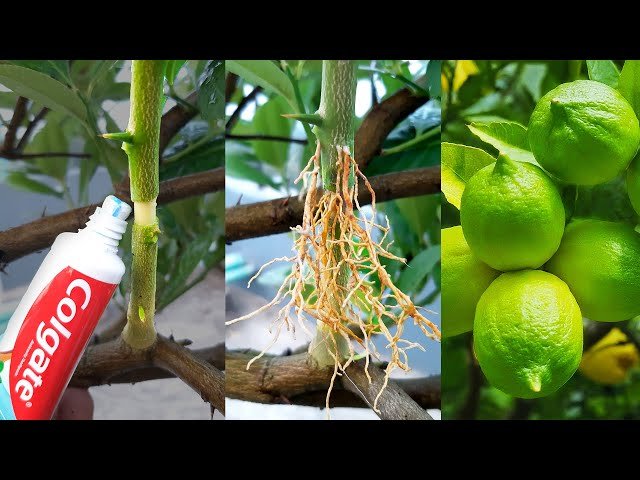
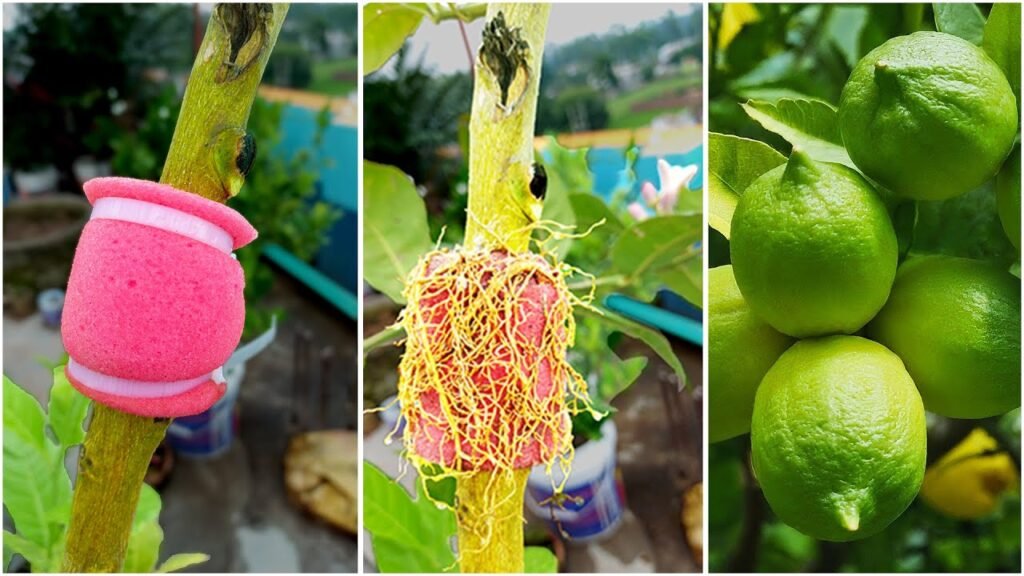
2. Natural Air-Layering: The Most Powerful Method
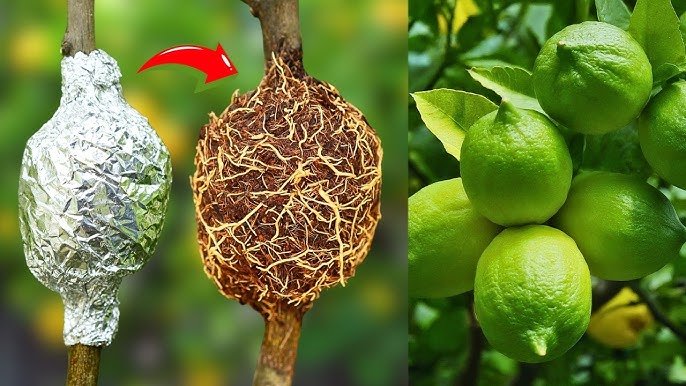
Air-layering is one of the fastest and most naturally reliable ways to propagate lemon trees.
Here, roots develop while the branch is still attached to the mother plant. This gives the new plant more nutrition and stability.
What You Need:
- Sharp knife
- Moist cocopeat or moss
- Compost
- Plastic wrap
- Rope or thread
- Natural rooting booster
Step-by-Step Air-Layering the Natural Way
Step 1: Select a Mature Branch
Choose a branch that is:
- At least pencil-thick
- Healthy and green
- About 1.5–2 feet long
Step 2: Make a Ring Cut
Remove a 1-inch bark ring around the branch.
Scrape lightly to remove the green cambium layer.
Step 3: Apply Natural Rooting Boosters
Rub aloe vera gel, honey, or willow water on the cut area.
This stimulates natural rooting.
Step 4: Pack with Organic Material
Wrap the area with:
- Moist cocopeat
- OR compost-moss mixture
Step 5: Seal It
Cover tightly with plastic wrap and secure both ends with rope.
This keeps moisture locked in.
Step 6: Wait for Roots
Within 4–8 weeks, roots will become visible through the plastic.
Step 7: Cut & Plant
Once roots are strong:
- Cut below the rooted area
- Plant in a pot
- Keep in partial shade for 10–14 days
This new plant is usually much stronger than a cutting.
Extra Tips to Ensure Natural Propagation Success
Keep Soil Slightly Moist
Dry soil → cutting dies
Overwet soil → roots rot
Aim for gentle moisture.
Avoid Strong Sun During Early Stages
Bright indirect light is perfect.
Use Neem Water
Spray every 10 days to prevent pests naturally.
Trim Flowers
Cut off any flowers from young propagated plants—they drain energy.
Give Organic Fertilizers
After 6–8 weeks of rooting, feed with:
- Compost tea
- Seaweed solution
- Vermicompost
Natural fertilizers ensure steady but safe growth.
How Fast Will Naturally Propagated Lemon Trees Grow?
| Propagation Method | Rooting Time | Time to Fruit |
|---|---|---|
| Natural Cuttings | 3–5 weeks | 1.5–2 years |
| Natural Air-Layering | 4–8 weeks | 1–1.5 years |
| Seed Propagation | Slower | 4–7 years |
For the fastest results, air-layering is unbeatable.
Common Mistakes to Avoid
Using too much water
This causes fungal issues.
Placing in too much sun
Cuttings dry before rooting.
Not removing cambium in air-layering
This prevents root formation.
Using heavy clay soil
Roots suffocate and rot.
Final Thoughts: The Joy of Growing Lemon Trees Naturally
Propagating lemon trees the natural way is not only simple but incredibly rewarding. When you grow new plants without chemicals or processed rooting powders, you’re allowing nature to take the lead.
Natural propagation also creates stronger, healthier lemon plants that adapt better to local soil and climate. Whether you use stem cuttings or air-layering, both methods are easy, effective, and perfect for home gardeners.
Just a single parent lemon tree can help you grow an entire citrus garden—free of cost, full of fragrance, and abundant with fresh lemons.