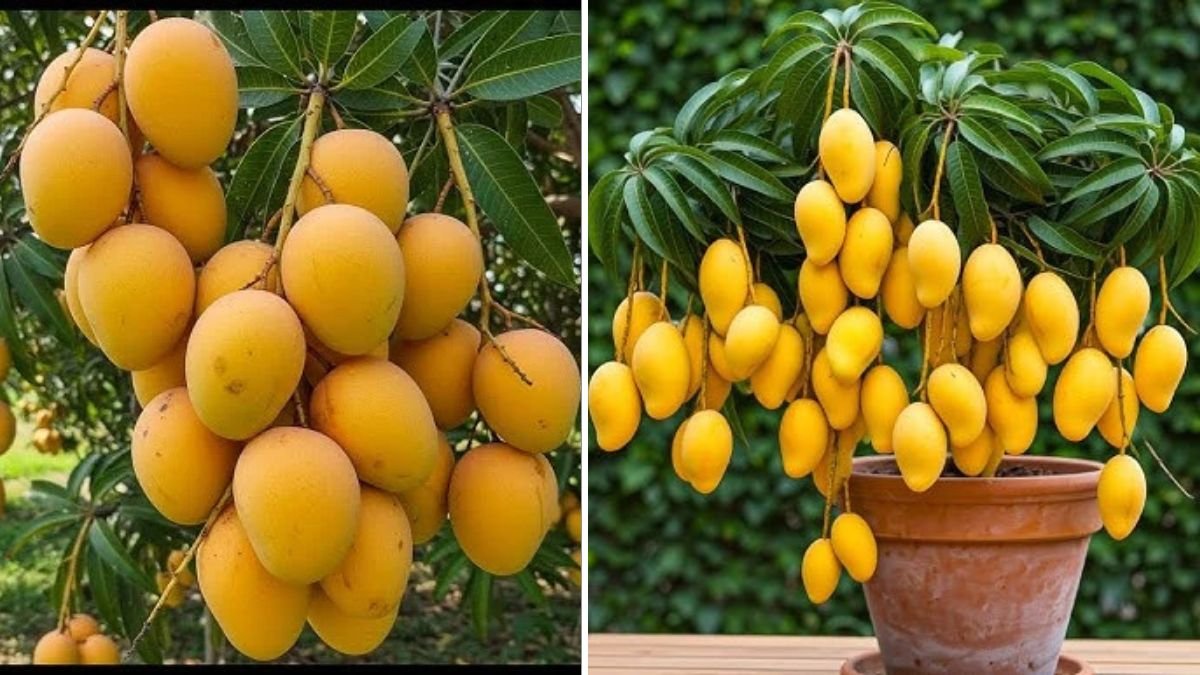
Mangoes, often called the “king of fruits,” are cherished worldwide for their sweet, juicy flesh and tropical aroma. Beyond their delicious taste, mangoes are rich in vitamins, minerals, and antioxidants, making them a valuable addition to any diet. For gardeners and orchardists, propagating mango trees is both rewarding and practical, ensuring a consistent supply of high-quality fruits while preserving desired varieties.
This comprehensive guide will walk you through how to propagate mango trees, covering multiple techniques, step-by-step instructions, care tips, and expert advice for growing strong, healthy, fruit-bearing trees.
Why Propagate Mango Trees?

Growing mango trees from seeds is possible, but it has limitations:
- Genetic variability: Seed-grown trees may not produce fruits identical to the parent variety.
- Longer time to fruiting: Seedlings often take 6–10 years to bear fruit.
- Vulnerability to diseases: Some seed-grown trees are less resilient to pests and environmental stresses.
Propagation ensures:
- True-to-type trees: Maintains the quality, taste, and characteristics of the parent mango variety.
- Early fruiting: Grafted or budded trees can bear fruit in 3–5 years.
- Stronger, disease-resistant trees: Selected rootstock improves plant vigor and adaptability.
By mastering propagation techniques, you can establish a thriving mango orchard in less time with more predictable results.
Methods to Propagate Mango Trees
Mango trees can be propagated through several techniques, each with its own advantages:
- Grafting: Joining a scion from a high-quality mango variety onto a suitable rootstock.
- Budding (T-budding): Inserting a single bud from the parent tree into rootstock bark.
- Air layering: Inducing roots on a branch while it is still attached to the parent tree.
- Seed propagation: Growing trees from seeds, best for experimental or local varieties.
Among these, grafting and budding are most effective for producing true-to-type, early-fruiting trees suitable for orchards.
Step 1: Selecting the Right Mango Variety and Rootstock
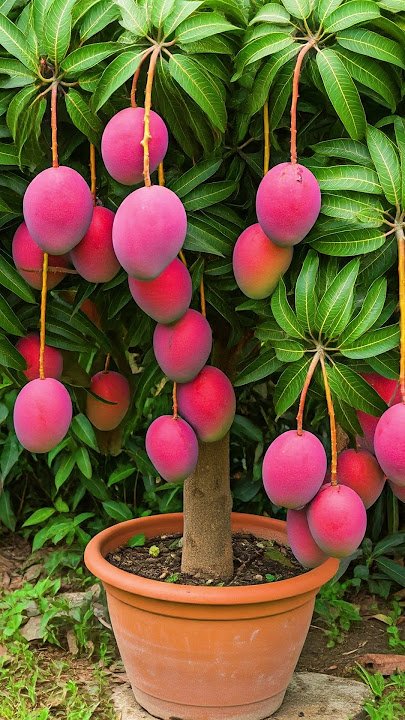
Choosing the Parent Tree (Scion):
- Select a healthy, disease-free mango tree with high yield and excellent fruit quality.
- Common high-quality varieties include Alphonso, Kesar, Haden, and Tommy Atkins.
- Ensure the scion has semi-hardwood shoots with 2–3 healthy buds.
Choosing Rootstock:
- Use seedlings grown from a reliable mango variety or disease-resistant rootstock.
- Rootstock should be vigorous, well-established, and compatible with the scion.
- Healthy rootstock ensures strong growth, early fruiting, and adaptability.
Proper selection sets the foundation for a successful propagation process.
Step 2: Preparing the Rootstock
- Trim the rootstock to create a clean, straight stem for grafting.
- Remove lower branches to reduce competition.
- Ensure the top of the rootstock is smooth and free from damage.
A well-prepared rootstock ensures better cambium alignment and graft success.
Step 3: Preparing the Scion
- Cut scion sections 4–6 inches long, containing 2–3 healthy buds.
- Shape the base into a wedge or tongue depending on grafting method.
- Keep scions moist and shaded until grafting.
Proper scion preparation minimizes stress and promotes rapid graft union.
Step 4: Grafting Techniques
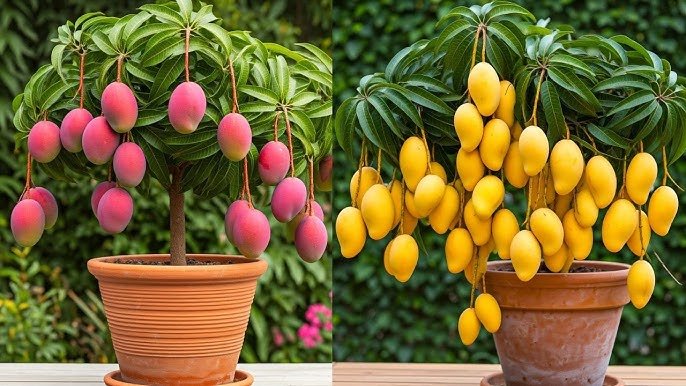
1. Cleft Grafting (Most Common)
- Make a vertical slit in the rootstock about 2–3 cm deep.
- Insert the scion wedge into the slit, ensuring cambium layers align.
- Wrap tightly with grafting tape or parafilm and apply grafting wax to prevent moisture loss.
2. Whip-and-Tongue Grafting
- Suitable for rootstock of similar thickness to scion.
- Cut slanting cuts on both rootstock and scion.
- Create a tongue in each cut for interlocking.
- Align cambium layers and wrap securely.
3. Budding (T-Budding)
- Make a T-shaped cut in the rootstock bark.
- Insert a single bud from the scion into the cut.
- Secure with tape and remove tape after the bud grows.
Step 5: Timing for Propagation
- Pre-monsoon (March–May): Ideal for grafting in tropical climates.
- Early monsoon (June–July): High humidity favors graft union healing.
- Avoid extreme heat or dry periods for better success.
Timing is critical to ensure maximum graft survival and early growth.
Step 6: Post-Grafting Care
- Keep grafted plants in partial shade for 2–3 weeks.
- Maintain high humidity using a plastic bag or mini greenhouse.
- Water moderately, ensuring soil is moist but not waterlogged.
- Remove competing shoots from rootstock to encourage scion growth.
Regular monitoring improves graft survival and promotes rapid growth.
Step 7: Air Layering (Alternative Method)
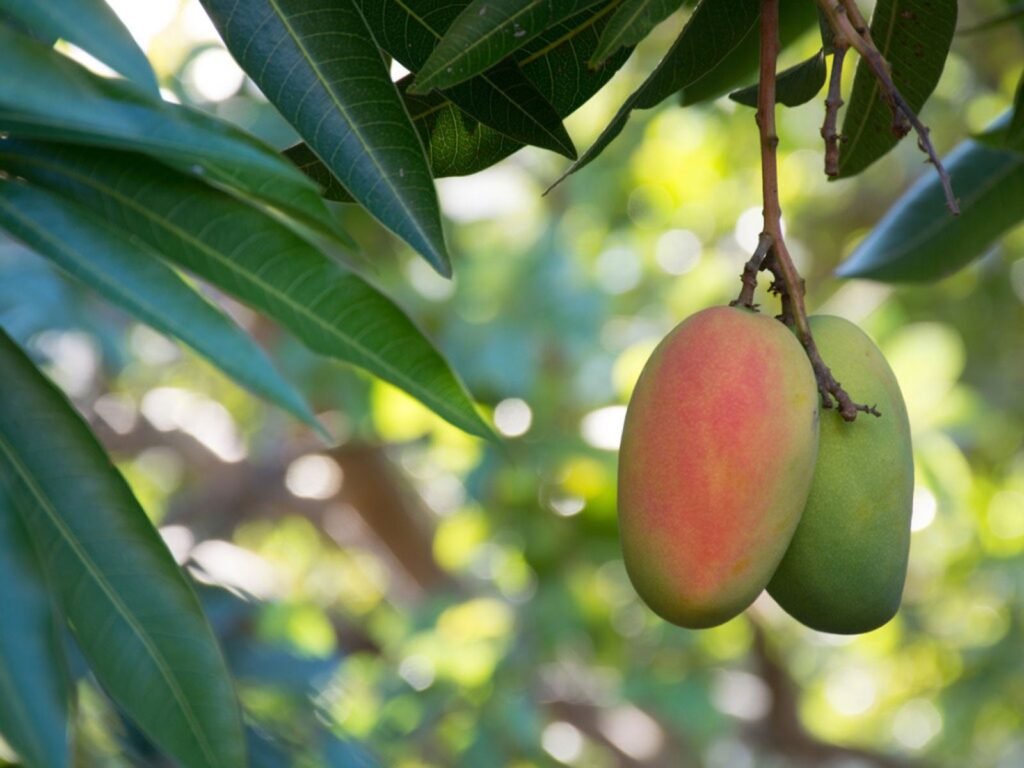
Air layering allows propagation without detaching the branch:
- Select a healthy, semi-hardwood branch.
- Remove a small ring of bark (1–2 cm) to expose the cambium.
- Apply rooting hormone and wrap the area with moist sphagnum moss.
- Cover with plastic to retain moisture.
- Roots develop in 4–8 weeks; then, cut and transplant the new plant.
Air layering produces strong, self-rooted plants faster than seed propagation.
Step 8: Soil and Planting Requirements
- Mango trees prefer well-draining loamy soil with pH 6–7.5.
- Ensure full sunlight for at least 6–8 hours daily.
- Mulch around the base with straw, dried leaves, or compost to retain moisture.
- Space trees 8–10 meters apart in orchards for healthy growth and airflow.
Proper soil and planting conditions ensure vigor, early flowering, and high fruit yield.
Step 9: Fertilization and Growth Care
- Apply organic compost or well-rotted manure at planting and during early growth.
- Use balanced NPK fertilizer (10:10:10) every 6–8 weeks.
- Increase potassium and phosphorus during flowering and fruit development.
- Maintain consistent watering, especially during dry periods.
Balanced nutrition improves tree health, fruit size, and sweetness.
Step 10: Pruning and Maintenance
- Remove dead, damaged, or crossing branches.
- Prune lightly to encourage strong structure and better sunlight penetration.
- Shape young trees to form a central leader or open vase form.
Pruning enhances growth, fruit quality, and disease resistance.
Step 11: Pest and Disease Management

Common mango pests:
- Mango hoppers
- Mealybugs
- Fruit flies
Common diseases:
- Powdery mildew
- Anthracnose
- Bacterial canker
Preventive measures:
- Inspect trees regularly.
- Apply organic sprays (neem oil) or chemical treatments as needed.
- Remove infected leaves promptly.
Healthy trees are more productive and resistant to environmental stress.
Step 12: Harvesting Mangoes
- Grafted mango trees can bear fruit 3–5 years after propagation.
- Harvest when fruits are full-sized, firm, and slightly fragrant.
- Use pruning shears to avoid damaging branches.
- Harvesting regularly encourages continuous flowering and fruiting.
With proper care, your propagated mango trees can provide high-quality fruits for years.
Tips for Successful Mango Propagation
- Always use healthy, disease-free parent trees.
- Sterilize all tools to prevent infections.
- Ensure proper cambium alignment during grafting.
- Maintain consistent moisture, sunlight, and nutrition.
- Protect young plants from pests and extreme weather.
Following these steps ensures vigorous growth and productive mango trees.
Conclusion
Propagating mango trees is a rewarding endeavor that combines patience, care, and horticultural skill. Whether using grafting, budding, air layering, or seed propagation, the key is to select healthy parent plants, maintain optimal growing conditions, and provide attentive care.
By following this guide, you can cultivate high-yield, true-to-type mango trees, turning your garden into a fruitful tropical paradise. From nurturing a tiny scion or branch to harvesting sweet, juicy mangoes, propagation is a journey that rewards diligence and knowledge.
With proper selection, propagation technique, and ongoing care, your mango orchard will flourish, producing delicious, home-grown mangoes year after year.