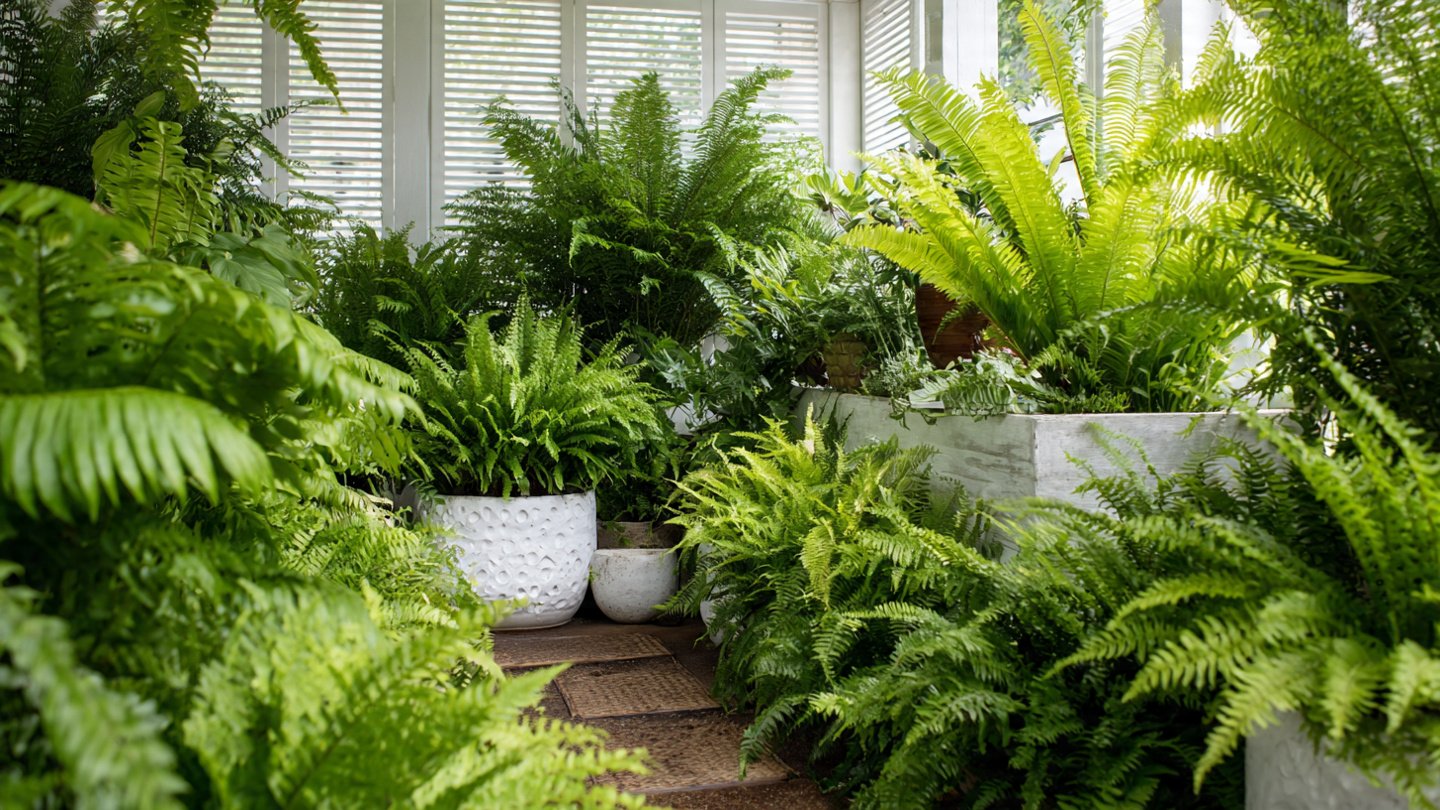
Creating a fern garden outdoors can be a rewarding gardening project that brings beauty and tranquility to your landscape. Ferns, with their lush green foliage and delicate fronds, thrive in shaded areas and add a soft, natural aesthetic to any garden. This guide will walk you through everything you need to know to establish a thriving fern garden, with a focus on natural techniques that promote sustainability and environmental health.
Understanding Ferns
Ferns are non-flowering plants characterized by their feathery fronds and preference for moist, shaded environments. They belong to a group of plants called pteridophytes, which reproduce via spores rather than seeds. These ancient plants have been around for over 300 million years, making them well-adapted to a variety of climates and conditions.
Benefits of a Fern Garden
- Low Maintenance: Once established, ferns require minimal care.
- Ecosystem Support: Ferns provide habitat and food for various wildlife, including birds, insects, and small mammals.
- Aesthetic Appeal: Their vibrant green foliage adds depth and texture to garden spaces.
- Soil Improvement: Ferns help prevent soil erosion and improve soil quality by retaining moisture.
Choosing the Right Location
Light Requirements
Ferns thrive in shaded or partially shaded areas, although some species can tolerate dappled sunlight. Assess your garden’s light conditions before selecting a location.
Soil Conditions
Ferns prefer well-drained, rich, and moist soil. A pH level between 5.5 and 7.0 is ideal. Conduct a soil test to analyze its composition and adjust as needed.
Placement Considerations
- Plant in Groups: Ferns look best in clusters rather than isolated specimens.
- Backdrop Plants: Consider planting taller ferns behind shorter ones to create visual depth.
- Walkways: Ferns can create a lush border along garden paths and walkways.
Selecting the Right Fern Species
Various fern species thrive in outdoor environments, each with unique characteristics. Here are a few popular options:
- Japanese Painted Fern (Athyrium niponicum): Attractive silvery foliage with a touch of purple; prefers moist, shaded environments.
- Ostrich Fern (Matteuccia struthiopteris): Tall and arching fronds; thrives in rich, wet soil.
- Royal Fern (Osmunda regalis): Large, elegant fronds that thrive in moist areas; known for their striking appearance.
- Boston Fern (Nephrolepis exaltata): A popular garden fern with cascading fronds; prefers slightly acidic soil.
Sourcing Ferns
Opt for native or adapted species from local nurseries to ensure they thrive in your climate. You can also propagate ferns from spore or by division.
Preparing the Soil
Preparation is key to establishing a successful fern garden. Follow these steps to prepare your soil naturally:
1. Clear the Area
Remove weeds, debris, and other vegetation. This reduces competition for nutrients and water.
2. Improve Soil Quality
- Compost: Mix organic compost into the soil to improve nutrient content and drainage.
- Mulch: Apply a layer of organic mulch (like leaf litter or wood chips) around the planting area to retain moisture, suppress weeds, and add nutrients as it decomposes.
3. Aerate the Soil
If the soil is compacted, aerate it using a garden fork or tiller to allow water and nutrients to penetrate.
Planting Your Ferns
1. Timing
The best time to plant ferns is during the cooler months of spring or fall when the soil is moist, and temperatures are milder.
2. Spacing
Space ferns appropriately based on their mature size, typically about 12 to 24 inches apart, depending on the species.
3. Planting Technique
- Digging Holes: Dig holes that are twice as wide but as deep as the root ball of the fern.
- Proper Depth: Place ferns in the hole so that the crown (where the roots meet the stem) is level with the soil surface.
- Backfill and Water: Backfill the hole gently with soil and water thoroughly to eliminate air pockets.
Caring for Your Fern Garden
Watering
Ferns prefer consistently moist soil but can suffer from root rot if waterlogged. Water them deeply but less frequently, especially during dry spells. Mulching will help retain soil moisture.
Fertilization
Ferns generally do not require heavy fertilization. However, a light feeding with an organic fertilizer in the spring can promote healthy growth. Avoid synthetic fertilizers that may harm beneficial microbes in the soil.
Weeding
Regularly check for weeds and remove them by hand or with a hoe, being careful not to disturb the roots of your ferns.
Disease and Pests
Ferns are relatively pest-resistant. However, keep an eye out for signs of disease or infestations, like discolored fronds. If needed, use organic pest control methods, such as insecticidal soap or neem oil.
Creating a Natural Understory
Incorporating other plants can complement your fern garden:
- Ground Covers: Add low-growing plants like moss, creeping thyme, or ajuga for added texture and contrast.
- Shade-Loving Flowers: Integrate flowering plants like hostas or astilbes to provide seasonal color and interest.
Seasonal Care Tips
Spring
- Remove winter mulch and debris.
- Fertilize and check for any signs of pests.
Summer
- Ensure adequate watering during hot spells.
- Consider thinning overcrowded ferns to promote healthy growth.
Fall
- Add a fresh layer of mulch to protect roots.
- Cut back any dead fronds.
Winter
- Leave fronds standing for winter protection, or cut them back if desired, making space for new growth in the spring.
Encouraging Biodiversity
Encourage wildlife to visit your fern garden by incorporating elements that attract birds and pollinators. This can include:
- Bird Feeders: Set up feeders to attract birds.
- Water Sources: Install a birdbath or small pond.
- Native Plants: Integrate other native plants that support local flora and fauna.
Conclusion
A lush fern garden can elevate your outdoor space, providing a serene retreat filled with natural beauty. By following these natural gardening techniques, you can create a thriving ecosystem that benefits both you and the local wildlife. Remember that impatience is not a virtue in gardening; give your ferns time to establish themselves, and they will reward you with their graceful presence for years to come.
FAQs
1. What is the best time to plant ferns?
The best time to plant ferns is during the cooler months of spring or fall when temperatures are milder.
2. How do I know if I am overwatering my ferns?
Signs of overwatering include yellowing fronds, wilting, or a foul smell from the soil. Ensure the soil is well-drained to prevent root rot.
3. Can ferns grow in full sun?
Most ferns prefer shade or partial shade. However, certain species, like the bracken fern, can tolerate more sun.
4. How do I propagate ferns?
Ferns can be propagated by division of the root ball or from spores. Division is the easiest method for gardeners.
5. Are ferns resistant to pests?
Ferns are generally pest-resistant, but watch for pests like aphids or mealybugs. Use organic pest control methods if necessary.
6. Can I grow ferns in containers?
Yes, many ferns can thrive in containers as long as they are provided with the right soil and moisture conditions.
7. What should I do if my ferns look unhealthy?
Examine for signs of pests or disease, check soil moisture levels, and ensure they’re receiving adequate light. Adjust care as needed.
Creating your fern garden not only enhances your landscape but also nurtures the environment. Happy gardening!