Introduction
Flowers play a pivotal role in gardening, not only providing visual appeal but also enhancing the overall atmosphere of a space. Among the many flowers that gardeners can choose from, annual phlox stands out for its vibrant colors, resilience, and ability to thrive in various conditions. This comprehensive guide aims to introduce beginners to the sublime world of annual phlox, covering everything from selection to care, and ultimately, creating a breathtaking phlox flower garden.
Understanding Annual Phlox
Characteristics
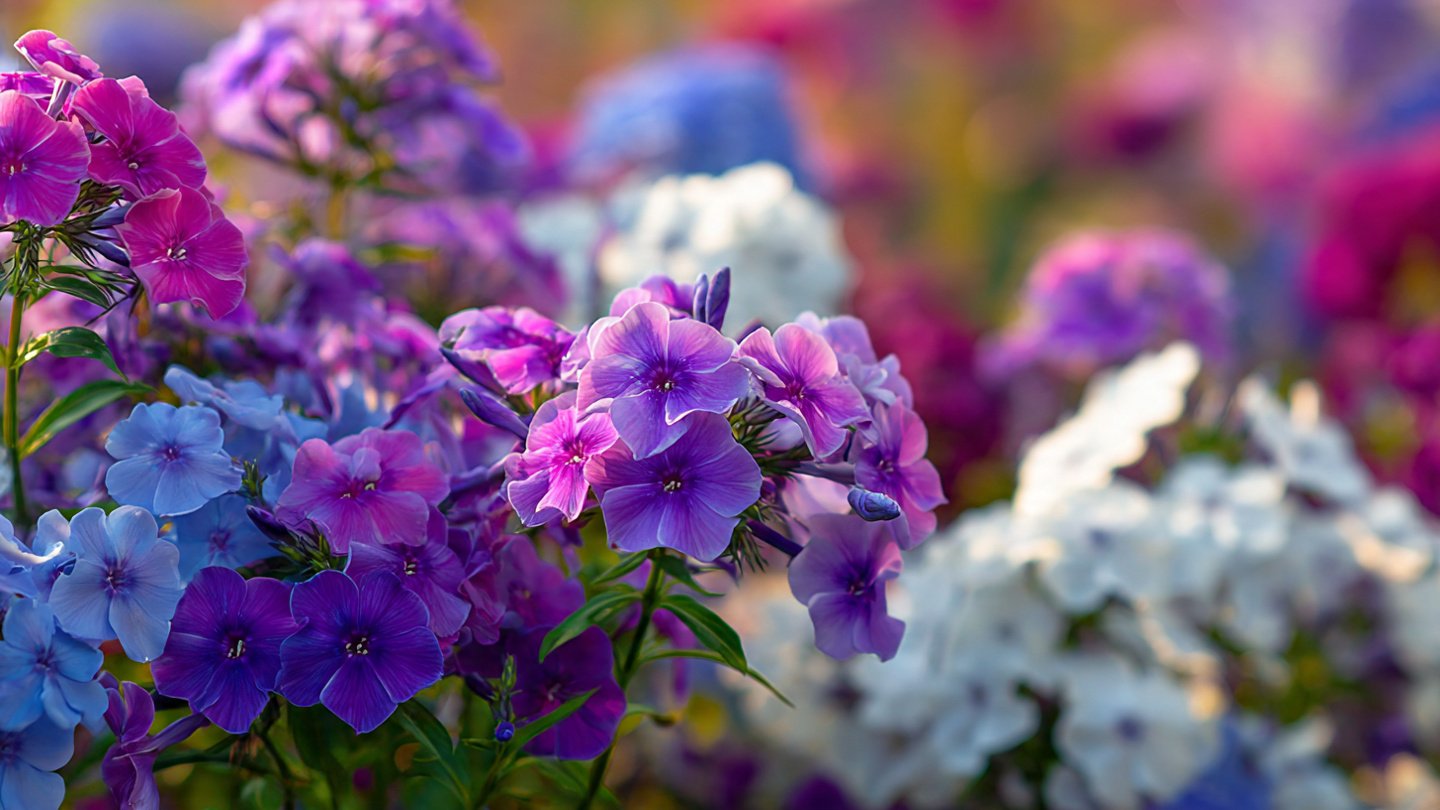
Annual phlox (Phlox drummondii) is a member of the Polemoniaceae family and is well-known for its diversity in color and growth habits. The flowers bloom in shades ranging from white and pink to deep red and purple, creating a fantastic palette for any garden. They typically stand between 8 to 18 inches tall and are renowned for their fragrance, which attracts pollinators like bees and butterflies.
Types of Annual Phlox
- Phlox drummondii ‘Starfire’: Deep red flowers with a star-shaped white center.
- Phlox drummondii ‘Bubblegum’: Soft pink with a slightly darker center, perfect for lighter palettes.
- Phlox drummondii ‘Crimson Flame’: Bicolor bloom with red and white, offering a bold contrast.
Preparing Your Garden
Choosing the Right Location
Sunlight: Phlox thrives in full sunlight but can tolerate partial shade. Aim for at least 6 hours of direct sunlight daily to ensure robust growth.
Soil: Well-drained soil is crucial for phlox. The ideal pH is between 6.0 and 7.0. Test soil health beforehand, and amend it with organic compost if necessary.
Space: Depending on the variety, provide adequate spacing. Typically, 12 to 18 inches apart allows enough room for growth and air circulation.
Garden Design
- Color Pairing: Surround phlox with plants that complement their colors. Consider combining them with yellow marigolds or white daisies for an eye-catching display.
- Layering: If your garden has vertical space, use taller plants behind phlox. This layering adds depth and dimension.
- Borders and Edging: Phlox can be utilized as bordering plants along pathways or fences, providing a picturesque frame.
Planting Annual Phlox
When to Plant
Annual phlox should be planted in the spring after the last frost date for your area. For most regions, this is typically between mid-April and May. Phlox seeds can be sown directly into the garden or started indoors for earlier blooms.
How to Plant
-
Seedlings: If starting from seedlings, dig a hole that is slightly larger than the root ball, ensuring the top of the root ball is level with the soil surface.
-
Direct Sowing: Scatter seeds evenly over the soil surface and cover lightly with a thin layer of soil. Water gently to avoid displacing the seeds.
-
Watering: Water the newly planted seeds or seedlings thoroughly but ensure not to overwater, which can lead to root rot.
Caring for Annual Phlox
Watering
Keep the soil consistently moist but not soggy, especially during the initial growth phase. Once established, phlox can tolerate periods of drought. Deep watering once a week is generally sufficient.
Fertilizing
Apply a balanced fertilizer once every four to six weeks during the growing season. Too much nitrogen can result in lush foliage with fewer flowers.
Pruning
Deadheading spent blooms encourages further flowering. Use clean, sharp scissors to cut flower stalks just above the first set of leaves. This not only promotes growth but also maintains the plant’s appearance.
Pest and Disease Control
- Common Pests: Aphids and spider mites are potential threats. Use insecticidal soap or neem oil to treat infestations.
- Diseases: Fungal diseases can occur in humid conditions. Ensure good air circulation and avoid overhead watering to minimize risks.
Extending the Blooming Season
To extend the blooming season of your annual phlox, consider staggering your planting times. Introduce new plants every few weeks throughout the spring and early summer. This ensures that there are always blooming phlox in your garden, enhancing its vibrancy over a longer period.
Companions for Extended Blooming
Planting companion flowers that bloom at different times can help maintain a continuously vibrant color palette. Consider integrating:
- Zinnias: Bloom from late summer into fall.
- Dahlias: Provide stunning late summer and fall blooms.
Harvesting and Using Phlox
Cut Flowers
Annual phlox makes for beautiful cut flowers. Select stems early in the morning when the blooms are at their freshest. Cut at a 45-degree angle to allow for better water uptake. Change the water frequently in your vase to prolong the life of your arrangement.
Dried Arrangements
Phlox flowers can also be dried for use in wreaths or potpourris. Hang them upside down in a dark, cool place for several weeks until they are fully dried.
FAQs
1. How long do annual phlox flowers bloom?
Annual phlox typically blooms from late spring until the first frost. With appropriate care, you can enjoy their flowers for several months.
2. Can I grow annual phlox in containers?
Yes! Annual phlox can be grown in containers. Ensure your pots have drainage holes and use a high-quality potting mix.
3. Are annual phlox deer resistant?
While no plant is entirely deer-proof, annual phlox is known to be less attractive to deer compared to other garden plants.
4. How can I improve my annual phlox’s growth?
Ensure they receive ample sunlight, avoid overcrowding, and use the right soil. Regular deadheading and proper watering also significantly boost growth.
5. Can I save seeds from my annual phlox?
Yes, you can save seeds from your annual phlox. Allow the flowers to wilt and dry on the plant. Collect the seeds and store them in a cool, dry place for future planting.
6. What should I do if my phlox becomes leggy?
Leggy phlox is often a result of insufficient light. To remedy this, ensure they receive full sunlight, and pinching back growing tips encourages bushier growth.
7. Is phlox toxic to pets?
Annual phlox is generally considered non-toxic to pets. However, it’s always best to monitor your pets around any plants.
8. When should I fertilize my phlox?
Fertilize your phlox every four to six weeks during the growing season using a balanced fertilizer.
Conclusion
Cultivating a garden filled with stunning annual phlox can be a rewarding endeavor for any beginner gardener. With their captivating colors, delightful scent, and relatively easy care, phlox will surely enhance the beauty of your outdoor space. This guide offers all you need to get started on your gardening journey with annual phlox. Whether you’re looking to add a pop of color to your landscapes or create beautiful arrangements for your home, phlox is a perfect choice. Happy gardening!