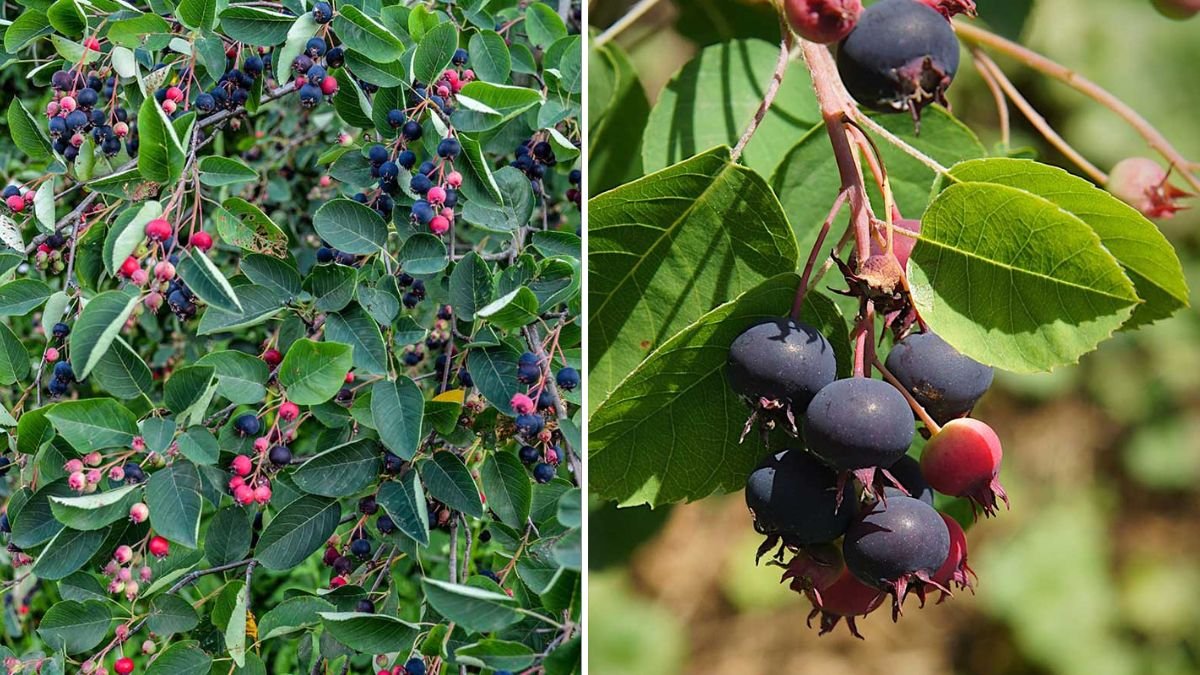
Serviceberry trees (Amelanchier spp.) are a delightful addition to any garden. Known for their stunning spring blooms, vibrant autumn foliage, and edible berries, these trees offer ornamental and ecological benefits. Whether you’re a novice gardener or an experienced horticulturist looking for low-maintenance landscaping options, this guide will walk you through everything you need to know about growing a beautiful serviceberry tree with minimal effort.
1. Understanding the Serviceberry Tree
1.1 Types of Serviceberry Trees
Serviceberries come in various species, with the most popular being:
- Eastern Serviceberry (Amelanchier canadensis): This species grows up to 25 feet tall and features beautiful white flowers in spring.
- Western Serviceberry (Amelanchier alnifolia): Typically found in western regions, this type is slightly smaller but offers excellent fruit production.
- Running Serviceberry (Amelanchier stolonifera): Known for its spreading growth habit, making it ideal for ground cover.
1.2 Benefits of Planting Serviceberry Trees
- Ornamental Appeal: The delicate white flowers and colorful autumn foliage make them visually stunning throughout the seasons.
- Wildlife Friendly: The berries attract birds and other wildlife, supporting local ecosystems.
- Edible Fruit: Serviceberries are similar to blueberries in taste and are excellent in pies, jams, or fresh.
2. Choosing the Right Location
2.1 Sunlight Requirements
Serviceberries thrive in full sun to partial shade. A location that receives 6-8 hours of sunlight daily is optimal for healthy growth and fruit production.
2.2 Soil Conditions
Serviceberries prefer well-draining, loamy soil rich in organic matter. They tolerate a range of soil types, including sandy and clay soils, but avoid overly wet or poorly draining areas.
2.3 Spacing
When planting multiple serviceberry trees, space them at least 10-15 feet apart. This will ensure proper air circulation, reduce competition for nutrients, and allow optimal growth.
3. Planting Your Serviceberry Tree
3.1 Best Time to Plant
The optimal time to plant serviceberry trees is during the fall or early spring. These seasons enable the tree to establish roots before the heat of summer or the cold of winter sets in.
3.2 Planting Steps
- Digging the Hole: Create a hole that is twice the width of the tree’s root ball and slightly shallower than the ball’s height.
- Preparing the Soil: Amend the soil with organic matter, such as compost, to enrich it.
- Placing the Tree: Position the tree in the center of the hole, ensuring that the top of the root ball is level with the ground.
- Backfilling: Gently backfill with soil, pressing down lightly to eliminate air pockets.
- Watering: Water thoroughly after planting to help settle the soil.
4. Watering and Fertilizing
4.1 Watering
Serviceberries require regular watering, especially in their first growing season. Aim for at least one inch of water per week, either through rainfall or supplemental watering. Once established, they become drought-tolerant but still benefit from occasional deep watering during dry spells.
4.2 Fertilizing
Fertilize serviceberry trees in early spring with a balanced fertilizer or organic compost. Avoid over-fertilizing, as this can hinder fruit production and promote excessive foliage growth.
5. Pruning and Maintenance
5.1 Pruning Techniques
Pruning is essential for maintaining the shape and health of your serviceberry tree. The best time to prune is in late winter or early spring before new growth begins.
- Remove any dead, damaged, or crossing branches to promote better air circulation.
- Thin out the center of the tree to allow sunlight to penetrate.
- Trim back any excessively long or unruly branches to maintain shape.
5.2 Pest and Disease Management
Serviceberries are relatively pest-resistant but can be susceptible to certain issues, such as:
- Caterpillars: These can be manually removed or treated with insecticidal soap.
- Leaf Spot: A fungal disease that can be controlled by ensuring good air circulation and removing affected leaves.
Regularly inspect your tree for any signs of pests and take immediate action to maintain its health.
6. Encouraging Fruit Production
6.1 Pollination
Serviceberries are self-pollinating but will benefit from cross-pollination with other nearby serviceberry species. If you aim for a fruitful harvest, consider planting multiple species or varieties.
6.2 Berry Harvesting
The berries of the serviceberry tree ripen in early summer. They are deep purple to dark blue when ripe and are often enjoyed raw or used in recipes. To harvest, gently twist the berries off their stems.
7. Seasonal Care and Year-Round Beauty
Serviceberry trees offer something for every season:
- Spring: Enjoy fragrant white flowers that attract pollinators.
- Summer: Watch the berries ripen and transform from green to dark purple.
- Autumn: Marvel at the fiery orange and red foliage.
- Winter: The skeletal branches offer a unique beauty, especially when dusted with snow.
FAQs About Growing Serviceberry Trees
Q1: How fast do serviceberry trees grow?
A: Serviceberry trees typically grow 1 to 2 feet per year, reaching maturity in about 5 to 10 years, depending on the species and growing conditions.
Q2: Are serviceberry berries safe to eat?
A: Yes! Serviceberries are edible and safe for human consumption. They can be eaten fresh, cooked in recipes, or made into jams and jellies.
Q3: Do serviceberry trees require a lot of care?
A: No, serviceberry trees are relatively low-maintenance. With some basic care, such as watering, occasional pruning, and pest management, they can thrive with minimal effort.
Q4: How can I prevent pests from damaging my serviceberry tree?
A: Regular monitoring, maintaining good air circulation through pruning, and using organic pest control methods can help manage pest issues effectively.
Q5: Can serviceberry trees grow in containers?
A: While serviceberry trees prefer the ground due to their size, smaller varieties can be grown in large containers. Ensure the pot has adequate drainage and provide enough space for root growth.
Q6: What other plants can I pair with serviceberry trees in my garden?
A: Serviceberries are excellent companions for other fruiting plants, such as blueberries and raspberries, as well as flowering plants that attract pollinators, like lavender and coneflowers.
Conclusion
Growing a serviceberry tree can enhance not just your landscape but also your local ecosystem. With minimal effort and proper care, you can enjoy the visual and edible rewards of this versatile tree. Follow the guidelines in this ultimate guide, and you’ll soon have a flourishing serviceberry that will be the pride of your garden for years to come. Whether you’re drawn by its beauty, the delicious fruit, or the wildlife it attracts, the serviceberry tree is a smart and rewarding choice for any gardener. Happy planting!