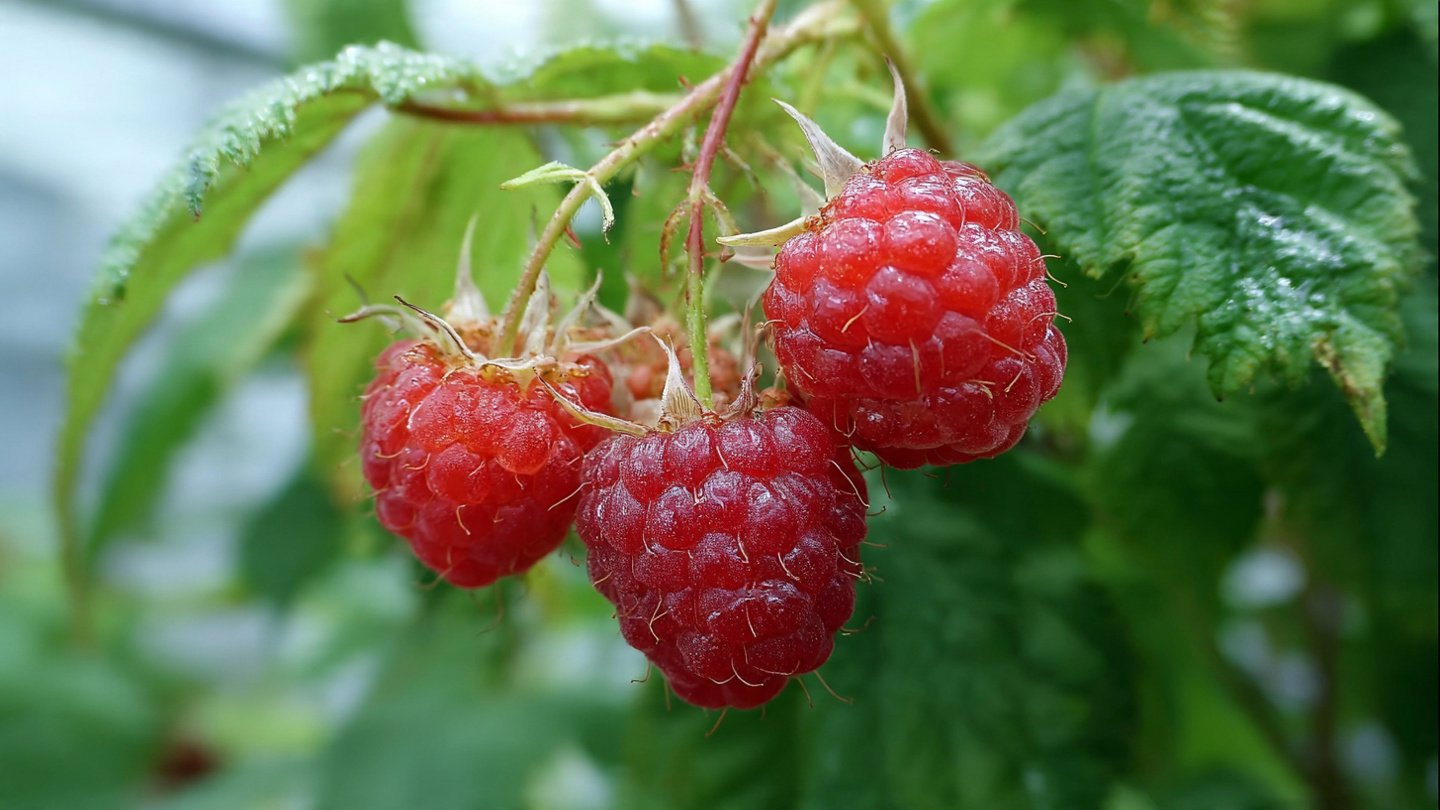
Growing your own fruits can be a rewarding experience, and Boyne raspberries are among the most delicious and manageable fruits for home gardeners. This ultimate guide will provide you with all the information needed to cultivate Boyne raspberries successfully, from selecting the best location to harvesting your juicy berries.
What are Boyne Raspberries?
Boyne raspberries are a popular variety of red raspberry developed in the 1970s in Canada. Known for their sweet flavor and large fruit size, Boyne raspberries are hardy, ideal for colder climates (USDA hardiness zones 3-8). They are known for their excellent disease resistance and can produce fruit in the first year after planting, making them a favorite among beginners and seasoned gardeners alike.
Starting Your Boyne Raspberry Garden
1. Choosing the Right Location
Sunlight
Raspberries thrive in full sunlight. Aim for at least 6-8 hours of direct sunlight daily. A spot that receives afternoon sun is particularly beneficial, as this helps the plants develop robust fruit.
Soil Quality
Boyne raspberries prefer well-draining, loamy soil rich in organic matter. Conduct a soil test to check the pH, which should be between 5.5 and 6.5 for optimal growth. Amend your soil with compost or well-rotted manure if necessary.
Drainage
Ensure the area has good drainage, as raspberries are susceptible to root rot. Raised beds or mounds can be beneficial if your soil tends to hold water.
2. Preparing the Soil
Soil Amendment
Before planting, amend the soil with compost or aged manure to improve soil structure and nutrient content. Tilling the soil to a depth of about 12 inches will help to aerate it and prepare it for planting.
Fertilization
A soil test will help guide your fertilization needs, but a balanced fertilizer (e.g., 10-10-10) can be applied when planting.
3. Selecting Your Plants
You can buy Boyne raspberry canes from a nursery, garden center, or online. Opt for healthy plants that are 1 to 2 years old. If possible, choose certified disease-free plants to avoid introducing pathogens into your garden.
4. Planting Boyne Raspberries
Timing
The best time to plant Boyne raspberries is in early spring, after the soil has thawed, or in the fall, about 4-6 weeks before the first frost.
Spacing
Space the plants 2-3 feet apart in rows that are 6-8 feet apart to allow for adequate airflow and sunlight. This spacing will also make it easier for maintenance and harvesting.
Planting Process
- Dig a hole: Make a hole about 12-18 inches deep and wide.
- Place the plant: Set the crown of the plant (where the roots meet the stems) level with the soil surface.
- Fill in with soil: Backfill the hole and gently pack the soil around the roots.
- Water the plants: Water thoroughly after planting to eliminate air pockets.
Caring for Your Boyne Raspberry Plants
1. Watering
Raspberries need about 1-2 inches of water per week. Use a soaker hose or drip irrigation to keep the water at the soil level, avoiding wetting the leaves, which can lead to fungal diseases.
2. Mulching
Applying a mulch layer of straw, wood chips, or grass clippings will help retain moisture, suppress weeds, and regulate soil temperature. Maintain a 3-inch layer of mulch around the plants, being careful not to pile it against the stems.
3. Pruning
Pruning is essential for good fruit production and plant health.
- Summer Pruning: Remove the spent blooms and thin out weak or overcrowded canes to allow better air circulation.
- Fall Pruning: In late fall, cut back the canes that produced fruit to the ground. Leave healthy new canes (primocanes) for next year’s crop. If you want to produce fruit from both primocanes and floricanes (2-year-old canes), selectively prune for a more extended harvest window.
4. Fertilization
After the first year, apply a balanced fertilizer in early spring as new growth begins. Follow the manufacturer’s instructions for rates based on soil test results.
Pest and Disease Management
Common Pests
- Aphids: These small insects can be controlled with insecticidal soap or neem oil.
- Spider mites: Ensure good air circulation to prevent these pests; apply miticides if necessary.
Common Diseases
- Powdery Mildew: Proper spacing and pruning, along with treatment of affected leaves, can help manage this disease.
- Botrytis Fruit Rot: This fungal disease appears during damp conditions. Ensure good air flow and avoid overhead watering to minimize risks.
Organic Control Methods
Encourage beneficial insects such as ladybugs and lacewings to control pests. You can also use traps for larger pests like beetles.
Harvesting Boyne Raspberries
When to Harvest
Boyne raspberries typically ripen from mid-summer into early fall. Check your berries regularly. They are ready to harvest when they are uniformly red, plump, and easily pull away from the stem.
How to Harvest
Use scissors or pruners to cut the berries from the bush to avoid damaging the plant. Handle the berries gently, as they bruise easily.
Post-Harvest Care
After harvesting, gently wash the raspberries and dry them on a clean cloth. Store them in the refrigerator for up to a week or freeze them for longer storage.
FAQs
1. How long does it take for Boyne raspberries to bear fruit?
Boyne raspberries often produce fruit in their first year if planted in early spring. Established plants bear fruit in mid-summer.
2. Can I grow Boyne raspberries in pots?
Yes, you can grow Boyne raspberries in pots at least 18 inches in diameter. Ensure that the pot has drainage holes and use high-quality potting mix.
3. How do I know if my raspberries are healthy?
Healthy raspberries have vibrant green leaves and grow vigorously. Watch for signs of yellowing or wilting, which could indicate nutrient deficiency or disease.
4. What is the average yield of Boyne raspberries?
Once established, a single Boyne raspberry plant can produce 2-5 quarts of fruit per season, depending on growing conditions and care.
5. Can I propagate Boyne raspberries?
Yes, propagation can be done through root division or tip layering. Ensure to choose healthy, disease-free plants for propagation.
6. What do I do if my raspberries aren’t producing fruit?
Several factors may influence fruit production, including soil quality, watering practice, and pruning techniques. Assess these conditions and ensure your plants are healthy and properly maintained.
Conclusion
Growing Boyne raspberries can be a joyful and fruitful endeavor for home gardeners. With the right care, these hardy plants will provide you with delicious berries that can enhance your meals and desserts. Remember to remain patient; the effort you put into your garden will yield a bountiful harvest for years to come. Happy gardening!