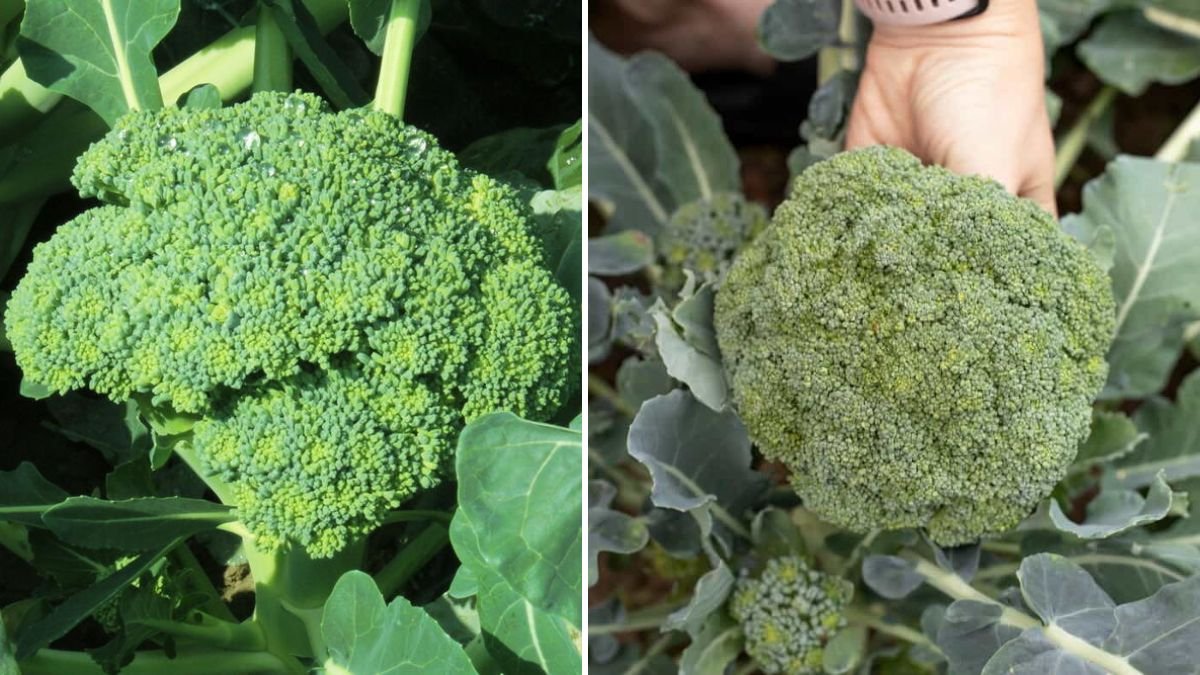
Growing your own vegetables can be a rewarding and fulfilling endeavor, and broccoli is a fantastic choice for home gardeners. Not only is it packed with nutrients, but its growing requirements are manageable even for beginners. Utilizing grow bags can enhance your success in cultivating this treasured vegetable. This guide explores the ins and outs of growing broccoli in grow bags, providing tips, techniques, and answers to frequently asked questions to ensure a bountiful harvest.
Why Grow Broccoli?
Broccoli (Brassica oleracea var. italica) is part of the cruciferous vegetable family, known for its health benefits. It is rich in vitamins C and K, fiber, and various antioxidants. Homegrown broccoli not only tastes better than store-bought varieties but also allows you to control what goes into your soil and plants. This means fewer chemicals and pesticides, giving you peace of mind as you enjoy your fresh produce.
Benefits of Using Grow Bags
Grow bags offer several advantages for cultivating broccoli:
-
Improved Drainage: Grow bags allow for excellent drainage compared to traditional pots, preventing waterlogging and root rot.
-
Aeration: The fabric structure of grow bags promotes air circulation to the roots, which encourages healthy growth.
-
Temperature Regulation: Grow bags provide insulation for the roots, helping protect them from temperature extremes.
-
Portability: You can easily move them around to maximize sunlight exposure or to protect plants from harsh weather.
-
Space Efficient: Grow bags can be placed on patios, balconies, or even in the backyard, making them ideal for gardeners with limited space.
Selecting the Right Grow Bags
To successfully grow broccoli, begin by choosing the correct size and material for your grow bags. Here’s what to consider:
Size
Opt for grow bags that are at least 5 to 10 gallons in capacity. Broccoli has a deep root system and requires sufficient space for growth. A larger bag accommodates better root development and ultimately yields more broccoli.
Material
Look for breathable materials, such as fabric or biodegradable options. Fabric grow bags offer excellent drainage and aeration. Ensure that the grow bags have built-in drainage holes, or if not, make your own to prevent excess moisture buildup.
Soil Requirements
Choosing the right potting mix is crucial for broccoli growth. Here are key points:
-
pH Level: Broccoli prefers slightly acidic to neutral soil, with a pH range of 6.0 to 7.0. Test your potting mix with a pH meter or pH strip.
-
Soil Composition: A well-draining mix is essential. Consider a combination of compost, peat moss, and perlite or vermiculite. This mixture ensures that your plants have the right balance of moisture and aeration.
-
Nutrient Content: Broccoli is a heavy feeder. Incorporate a slow-release fertilizer into the potting mix. Look for fertilizers high in nitrogen, phosphorus, and potassium for optimal growth.
Planting Broccoli Seeds
Timing
Broccoli can be grown in both spring and fall. For spring planting, sow seeds indoors about 6-8 weeks before the last frost. If you’re in a climate with mild winters, you can also direct sow seeds outdoors in late summer.
Planting Steps
-
Prepare the Grow Bags: Fill the bags with your prepared potting mix, leaving about an inch of space from the top for watering.
-
Sow Seeds: Plant seeds at a depth of about ½ inch. Space them 12-18 inches apart. If you’re transplanting seedlings, ensure to plant them at the same depth they were in the starter pots.
-
Watering: Water thoroughly after planting. Keep the soil consistently moist but not soggy as seedlings emerge.
Care and Maintenance
Proper care will help ensure the health and productivity of your broccoli plants.
Watering
Broccoli requires consistent moisture, particularly during dry spells. Water deeply, allowing the soil to dry out slightly between waterings to avoid waterlogging.
Fertilizing
Fertilize your broccoli every 4-6 weeks with a balanced, organic fertilizer. You can also apply compost as a side dressing during the growing season.
Sunlight
Broccoli thrives in full sun (at least 6 hours per day). If planting in warm climates, consider providing some afternoon shade to prevent bolting (flowering prematurely).
Pest Management
Be on the lookout for common pests like aphids, cabbage worms, and flea beetles. Employ organic pest control methods, such as neem oil or insecticidal soap. Encouraging beneficial insects, like ladybugs, can also help manage pest populations.
Harvesting Broccoli
Broccoli is ready to harvest when the heads are firm, tightly packed, and dark green. This usually occurs 70-100 days after planting, depending on the variety.
Harvesting Techniques
-
Cutting the Head: Use a sharp knife to cut the broccoli head, leaving a few inches of stem. This will encourage side shoots to develop.
-
Timing: Harvest in the morning when temperatures are cool for the best flavor and texture.
-
Ongoing Harvesting: After cutting the main head, continue to care for the plant; side shoots will emerge and can be harvested.
Additional Considerations
-
Companion Planting: Broccoli grows well with companions like onions, garlic, and herbs. Avoid planting near tomatoes, as they can stunt each other’s growth.
-
Succession Planting: For a continuous harvest, consider planting new seeds every few weeks during the growing season.
FAQs
1. Can I grow broccoli in smaller grow bags?
While you can grow broccoli in smaller containers, it’s not recommended for optimal growth. A minimum of 5-gallon bags is recommended to accommodate the deep root system of broccoli.
2. How much sunlight does broccoli need?
Broccoli needs full sun, which means at least 6 hours of direct sunlight daily. In hotter climates, consider providing some afternoon shade.
3. How often should I water my broccoli?
Water your broccoli consistently, aiming for deep watering once or twice a week, depending on the weather. Avoid letting the soil dry out completely.
4. Why are my broccoli plants bolting?
Bolting occurs when broccoli is exposed to high temperatures or stress, prompting it to flower and produce seeds. Ensure your plants have adequate water and consider mulching to maintain soil moisture and regulate temperature.
5. Can I grow broccoli indoors?
While difficult, it is possible to grow broccoli indoors. Choose a sunny location (a south-facing window), and use grow lights if necessary. Ensure your containers are large enough and can drain well.
Conclusion
Growing broccoli in grow bags is an engaging and fruitful way to participate in home gardening. With the right supplies, care, and attention, you can produce delicious, nutritious broccoli right at home. Remember to keep an eye on growth conditions, engage in preventative maintenance against pests, and enjoy the satisfaction of harvesting your own produce. Happy gardening!