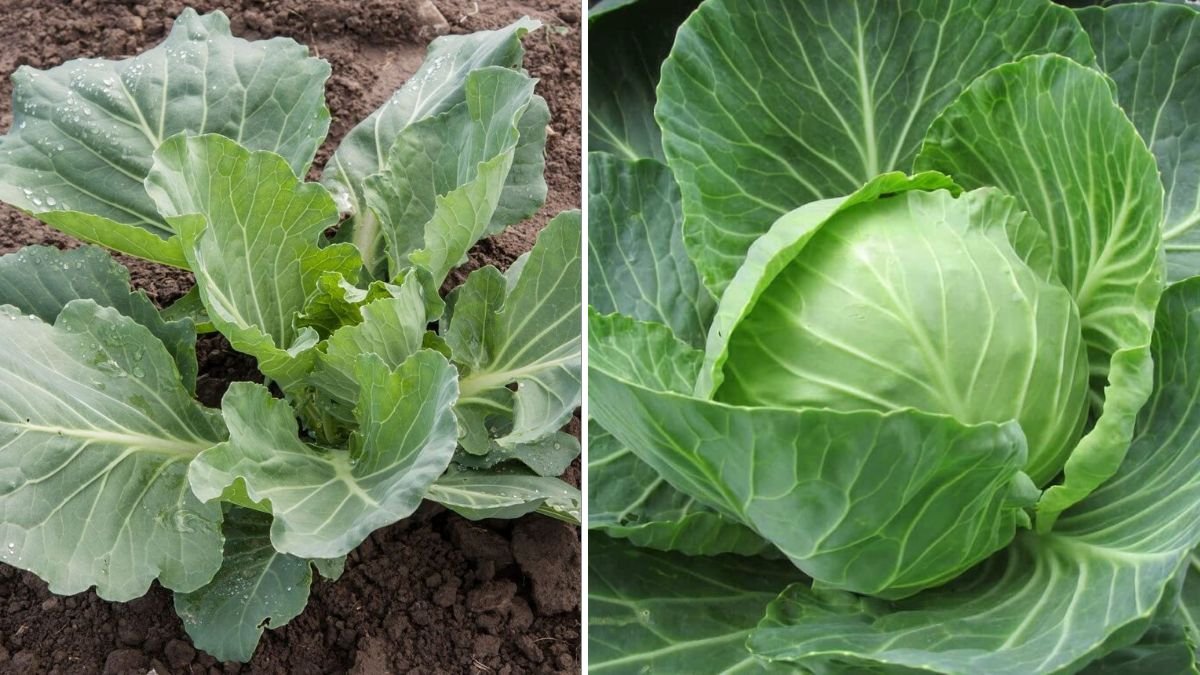
Growing your own compact cabbage heads at home can be a rewarding experience, offering fresh produce right from your garden to your kitchen. With the right techniques and some know-how, you can achieve maximum yield and flavor in your cabbage crop. This guide serves as a comprehensive resource for both novice and experienced gardeners alike.
Understanding Cabbage Varieties
Before diving into the planting process, it’s essential to understand the different varieties of cabbage available. Cabbage comes in various shapes, sizes, and colors, including:
- Green Cabbage: Classic and versatile, perfect for coleslaw and salads.
- Red Cabbage: Adds color to dishes and holds its crunch well.
- Savoy Cabbage: Known for its wrinkled leaves and tender texture.
- Napa Cabbage: A type of Chinese cabbage with a sweet flavor, excellent for stir-fries.
For compact growing, look for dwarf or mini varieties, such as ‘Dwarf Blue’, ‘Tendersweet’, and ‘Mini Green’. These types require less space and can yield sweet, succulent heads.
Choosing the Right Location
Sunlight Requirements
Cabbage thrives in areas that receive full sun, which typically means at least 6-8 hours of direct sunlight daily. Choose a location where sunlight is ample, preferably with some afternoon shade in warmer climates to prevent overheating.
Soil Quality
Cabbages prefer well-drained, fertile soil rich in organic matter. Aim for a soil pH between 6.0 and 7.5. Conduct a soil test to ensure your soil is balanced and amend it with compost, well-rotted manure, or organic fertilizers if needed.
Planting Compact Cabbage
Timing
The best time to plant compact cabbage is during the cooler months of spring or fall. For a spring garden, start seeds indoors 6-8 weeks before the last frost date. For a fall garden, transplant seedlings 6-8 weeks before the first frost date.
Seed Starting
- Select Containers: Use seed trays or biodegradable pots.
- Sow Seeds: Plant seeds about 1/4 to 1/2 inch deep. Keep them moist but not soggy.
- Temperature: Maintain a temperature of around 70-75°F for optimal germination.
- Thinning: Once seedlings develop two true leaves, thin them so that the remaining ones are spaced 2-4 inches apart.
Transplanting
When your seedlings are 4-6 weeks old and have at least two sets of true leaves, they are ready for transplanting into the garden.
- Harden Off: Gradually expose seedlings to outdoor conditions over a week.
- Spacing: Space compact cabbage heads about 12-18 inches apart in rows, allowing adequate airflow.
- Watering: Water the transplants thoroughly after planting, then continue regular watering to keep the soil moist but not waterlogged.
Care and Maintenance
Watering
Cabbages require consistent moisture, especially during dry spells. Water deeply at least once a week, and increase frequency during hot weather. Avoid overhead watering to minimize disease risks.
Fertilization
Feed your cabbage plants with a balanced fertilizer about 4 weeks after transplanting. Look for fertilizers containing equal parts nitrogen, phosphorus, and potassium (e.g., 10-10-10).
Pest and Disease Management
Common pests affecting cabbage include aphids, cabbage worms, and root maggots. To prevent infestations, consider these strategies:
- Companion Planting: Plant marigolds or nasturtiums nearby to deter pests.
- Row Covers: Use floating row covers to protect young plants from insects.
- Regular Monitoring: Inspect your plants weekly for signs of pests and diseases.
Cabbage is also susceptible to diseases like powdery mildew and clubroot. Rotate crops each year and remove any affected plants immediately.
Harvesting Compact Cabbage Heads
Timing
Compact cabbage can usually be harvested in approximately 60-100 days after transplanting, depending on the variety. Look for firm, tightly-packed heads that feel heavy for their size.
How to Harvest
- Use a sharp knife to cut the head from the stalk about 1-2 inches above the ground.
- Leave the outer leaves intact, as they can provide energy back to the plant, and may produce smaller side heads.
Maximizing Yield and Flavor
Continuous Planting
To ensure a steady supply of cabbage throughout the season, practice staggered planting by sowing seeds every 2-3 weeks. This technique allows for continuous harvest.
Timing of Harvest
Harvesting cabbage heads at the right time is vital for optimal flavor. Heads that are left too long in the ground can split or develop an overly bitter taste.
Post-Harvest Storage
After harvesting, store your cabbage in a cool, dry place. Instead of storing whole heads, you may also consider shredding or chopping cabbage for coleslaw or soups, which can be frozen for later use.
FAQs
1. Can I grow cabbage in containers?
Yes, compact varieties of cabbage are well-suited for container gardening. Ensure the container has adequate drainage and is at least 12-14 inches deep.
2. What is the best way to start cabbage seeds indoors?
Use seed trays with a quality seed-starting mix. Keep the soil moist and provide adequate light to avoid leggy seedlings.
3. How do I know when my cabbage is ready to harvest?
Cabbage heads are ready to harvest when they feel firm to the touch and weigh heavily for their size.
4. How can I prevent cabbage pests?
Use companion planting, floating row covers, and regular inspections to keep pests at bay. Hand-picking larger pests can also be effective.
5. Is it possible to grow cabbage year-round?
In milder climates, it’s possible to grow cabbage year-round by selecting cold-tolerant varieties and using season extenders such as row covers.
6. What nutrients do cabbages need?
Cabbages require nitrogen, phosphorus, and potassium. A balanced fertilizer applied during the growing season will meet these needs.
7. Can I save seeds from my cabbage plants?
Yes, you can save seeds from your cabbage, but ensure you allow the plants to go to flower and fully mature. Consider isolation techniques to prevent cross-pollination.
Conclusion
Growing compact cabbage heads at home can lead to delicious yields while maximizing space in your garden. By understanding varieties, optimizing planting techniques, and caring for your plants, you can enjoy fresh cabbage that is flavorful and nutritious. Whether used in salads, slaws, or cooked dishes, the produce from your garden will surely enhance your meals. Happy gardening!