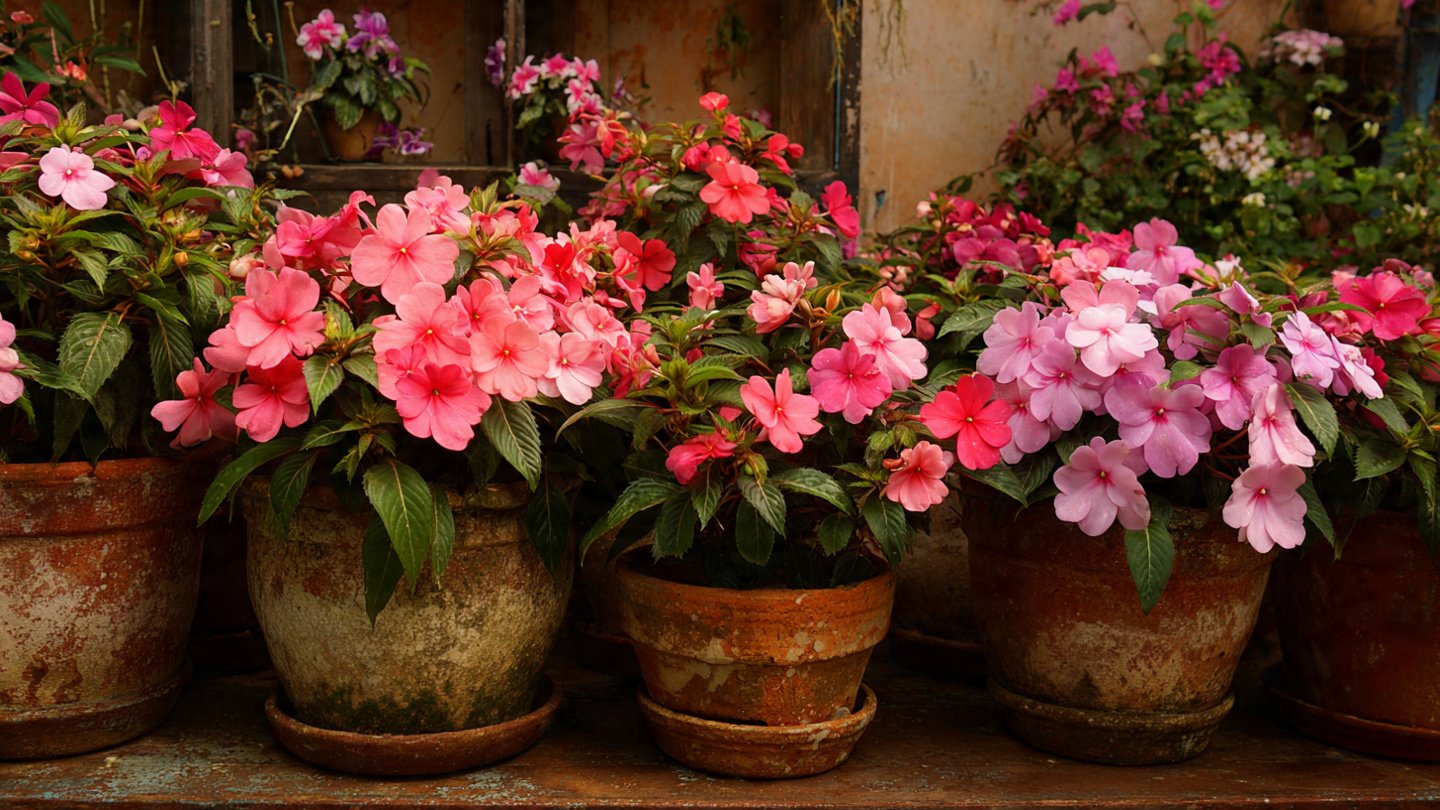
Impatiens are a popular choice among indoor gardeners for their vibrant colors and ability to thrive in low-light conditions. This guide will delve into everything you need to know about growing impatiens in pots indoors, ensuring that you can enjoy their beauty year-round with minimal effort.
Table of Contents
- Introduction to Impatiens
- Choosing the Right Varieties
- Essential Growing Conditions
- Light Requirements
- Temperature and Humidity
- Pot Selection
- Soil and Fertilization
- Watering Tips
- Pest and Disease Management
- Propagation Techniques
- Common Problems and Solutions
- FAQs
1. Introduction to Impatiens
Impatiens, also known as busy lizzies or balsam, are flowering plants belonging to the family Balsaminaceae. With more than 1,000 species, their ability to produce an abundance of colorful blooms makes them a favored choice for both indoor and outdoor gardening.
Their vibrant blossoms come in various shades, including red, pink, purple, white, and orange. What makes impatiens particularly appealing for indoor gardening is their adaptability to limited light, making them a suitable choice for various interior environments.
2. Choosing the Right Varieties
Several species of impatiens can be grown indoors, each with unique characteristics:
-
Impatiens walleriana: The classic garden favorite, this variety features dense clusters of flowers and is typically found in shades of pink, red, and white.
-
New Guinea Impatiens: Known for its larger blooms and thicker leaves, this variety is more tolerant of sunlight and often has variegated leaves.
-
Impatiens hawkeri: This species is usually seen as an ornamental plant with slightly larger flowers and vibrant colors.
When selecting a variety, consider your available light conditions and the specific aesthetic you wish to achieve.
3. Essential Growing Conditions
Successfully growing impatiens indoors requires attention to several key environmental factors, primarily light, temperature, and humidity.
Light Requirements
While impatiens can tolerate low light, they thrive in bright, indirect sunlight. Here are some tips for providing optimal light conditions:
-
Location: Place your pots near windows that receive filtered sunlight; south or east-facing windows are ideal.
-
Artificial Lighting: If natural light is insufficient, consider using grow lights. LED grow lights are energy-efficient and effective for indoor plant growth.
Temperature and Humidity
Impatiens prefer warm environments. The ideal temperature range is between 65°F to 75°F (18°C to 24°C). Additionally, maintaining humidity is essential for vibrant blooms:
-
Humidity Levels: Aim for a humidity level between 40% to 60%. This can be achieved by placing a tray of water near the plants or using a humidifier.
-
Air Circulation: Ensure good air circulation to prevent mold and mildew, which can thrive in high humidity.
4. Pot Selection
Choosing the right pot is crucial for the health of your impatiens. Here are some considerations:
-
Pot Size: For small plants, use pots that are at least 6 to 8 inches in diameter. Larger plants may require pots up to 12 inches.
-
Drainage: Ensure pots have drainage holes to prevent waterlogging, which can lead to root rot. Consider using clay pots, as they allow for better breathability.
5. Soil and Fertilization
The right soil and fertilization techniques can greatly impact the health of your impatiens.
Soil
A well-draining potting mix is essential. Use a commercial potting mix that contains peat moss, vermiculite, or perlite for aeration.
- DIY Soil Mix: If you prefer making your own, combine equal parts of potting soil, perlite, and peat moss.
Fertilization
Feed your impatiens with a balanced liquid fertilizer every two to four weeks during the growing season (spring and summer). Consider these points:
-
Type of Fertilizer: A water-soluble 20-20-20 fertilizer is often recommended.
-
Dilution: Always dilute the fertilizer to half-strength to avoid burning the delicate roots.
6. Watering Tips
Watering is critical for the health of your impatiens. Overwatering or underwatering can cause wilting or root rot.
Watering Schedule
-
Check Soil Moisture: Stick your finger into the soil; if it feels dry up to your first knuckle, it’s time to water.
-
Technique: Water thoroughly until it drains out of the pot’s bottom. Discard any excess water in the saucer.
7. Pest and Disease Management
Indoor impatiens can suffer from various pests and diseases. Being diligent will help you catch and manage issues early.
Common Pests
-
Aphids and Spider Mites: Regularly inspect the undersides of leaves. Use insecticidal soap if you notice infestations.
-
Fungus Gnats: Allow the soil to dry out slightly between waterings to deter these pests.
Diseases
Be cautious of gray mold and downy mildew, especially in overly humid environments. Improving air circulation and reducing humidity can help prevent these diseases.
8. Propagation Techniques
If you want to expand your collection of impatiens, propagation is a viable option. You can propagate impatiens through stem cuttings:
How to Propagate
-
Choose Healthy Stems: Select stems that are at least 3 to 4 inches long and free from pests and diseases.
-
Cutting Preparation: Use clean, sharp scissors to make the cut just below a node.
-
Planting Cuttings: Dip the cut end into rooting hormone and plant it in a pot with a moist potting mix.
-
Humidity Dome: Cover the pot with a plastic bag or a humidity dome to maintain moisture until roots develop, usually in 2 to 4 weeks.
-
Aftercare: Once roots are established, remove the covering and treat them as you would mature impatiens.
9. Common Problems and Solutions
Every gardener encounters challenges. Here are some common problems and their solutions:
Wilting Leaves
- Underwatering: Increase your watering frequency.
- Overwatering: Allow the soil to dry out and ensure proper drainage.
Yellowing Leaves
- Nutrient Deficiency: Feed with a balanced fertilizer to provide necessary nutrients.
- Overwatering: Check the drainage and reduce watering frequency.
Poor Flowering
- Insufficient Light: Move plants to a brighter location or supplement with grow lights.
- Nutrient Deficiency: Fertilize to encourage blooming.
10. FAQs
Q1: How often should I water my impatiens indoors?
A: Water your impatiens when the top inch of the soil feels dry. Generally, this can be every few days, depending on light and temperature conditions.
Q2: Can I grow impatiens in low light?
A: Yes, impatiens are one of the few flowering plants that tolerate low-light conditions, making them excellent for indoor settings.
Q3: What is the lifespan of impatiens?
A: Impatiens can live for several years when provided with proper care, though they are typically grown as annuals in outdoor settings.
Q4: Are impatiens toxic to pets?
A: No, impatiens are non-toxic to both cats and dogs. However, it’s always best to monitor your pets to prevent any chewing on plants.
Q5: How can I ensure my impatiens bloom continuously?
A: Providing adequate light, consistent watering, and periodic fertilization will help promote continuous blooming throughout the growing season.
With the right care, you can successfully grow beautiful impatiens in pots indoors. Following this guide ensures that your indoor garden remains vibrant and colorful, providing a joyful environment for you and your guests. Happy gardening!