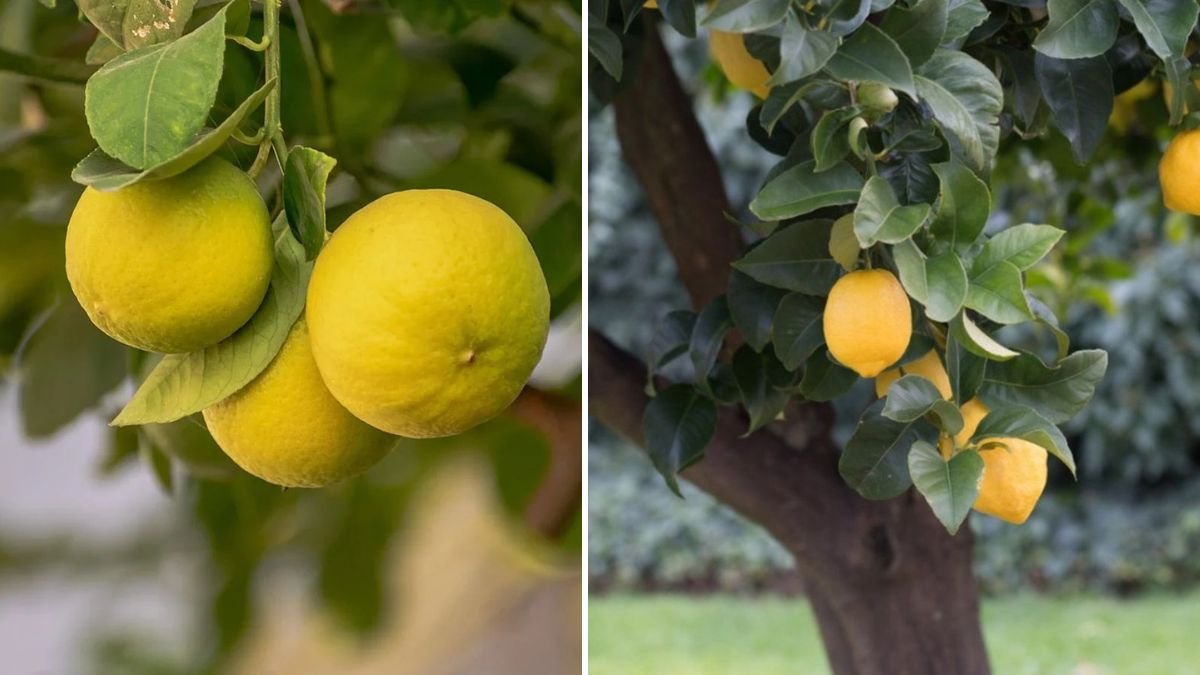
Growing lemons indoors can be a rewarding and delightful endeavor. Not only do you get the aesthetic pleasure of a vibrant plant gracing your home, but you also can enjoy the fresh taste of homegrown lemons—a rarity that adds zest to any dish or beverage. This comprehensive guide will walk you through everything you need to know about successfully growing lemons indoors, focusing on easy-to-follow techniques for beginners.
1. Understanding the Basics
1.1 Why Grow Lemons Indoors?
Growing lemons indoors provides various advantages:
- Space Saving: Perfect for those with limited outdoor space.
- Controllable Environment: You can control temperature, humidity, and light more easily than outside.
- Year-Round Harvest: With the right conditions, you can harvest lemons throughout the year.
1.2 What You Need to Get Started
Before diving into planting, ensure you have the following supplies:
- Lemon Tree Varieties: Choose a dwarf variety like ‘Improved Meyer’ or ‘Ponderosa’ that is well-suited for indoor growth.
- Pot: A 12-14 inch pot with drainage holes.
- Soil: Well-draining potting mix, preferably a blend tailored for citrus.
- Fertilizer: A balanced, slow-release fertilizer.
- Watering Can: For consistent moisture.
- Grow Light: If natural sunlight is limited.
2. Selecting Your Lemon Tree
2.1 Choosing the Right Variety
Meyer Lemon: Known for its sweet, thin-skinned fruit. These trees are smaller and ideal for indoor gardening.
Ponderosa Lemon: Produces larger fruits with a slightly more tart flavor but requires more space.
Consider your indoor space and the type of care you’re willing to provide when selecting your variety.
2.2 Where to Buy
You can purchase lemon seedlings from:
- Local nurseries
- Garden centers
- Online retailers
Choose a healthy, disease-free plant, preferably in a small pot that allows for easy transplanting.
3. Planting Your Lemon Tree
3.1 Preparation
Ensure your pot has drainage holes to prevent root rot. If it doesn’t, create some with a drill or choose another pot.
3.2 Soil Preparation
Use a quality potting mix designed specifically for citrus plants. You can also make your own mix by combining equal parts of peat, pine bark, and perlite for excellent drainage.
3.3 Planting Process
- Fill your pot with the potting mix, leaving about an inch from the top.
- Remove the lemon seedling from its nursery container, being careful not to damage the roots.
- Place the seedling in the pot, ensuring that the root ball is slightly above the soil line.
- Fill in around the root ball with soil, pressing gently to eliminate air pockets.
- Water thoroughly until water drains from the bottom.
4. Caring for Your Indoor Lemon Tree
4.1 Watering
Lemon trees prefer consistent moisture but are susceptible to root rot from overwatering.
Tips:
- Water when the top inch of the soil feels dry.
- Ensure excess water can drain away.
- Use room temperature water for optimal absorption.
4.2 Light Requirements
Lemon trees require bright, direct sunlight for at least 10-12 hours a day.
Light Strategies:
- Place your lemon tree by a south or west-facing window.
- If natural light is insufficient, consider using grow lights that provide full-spectrum lighting.
4.3 Temperature and Humidity
Lemon trees thrive in warm temperatures, ideally between 65°F to 75°F (18°C to 24°C).
Maintaining Humidity:
- Indoor air can be dry, especially in winter. Increase humidity by:
- Grouping plants together.
- Using a humidifier.
- Placing a shallow tray of water with pebbles beneath the pot.
4.4 Fertilizing
Fertilize your lemon tree every 4-6 weeks during the growing season (spring and summer) with a balanced, slow-release fertilizer.
Granular vs. Liquid Fertilizers:
- Granular fertilizers are easier to manage; sprinkle as directed.
- Liquid fertilizers can be applied with watering every few weeks.
5. Pruning and Training
5.1 Why Prune?
Pruning helps shape the tree, promotes healthy growth, and can increase fruit production.
5.2 When to Prune
Prune in late winter or early spring before new growth begins.
5.3 How to Prune
- Remove any dead, damaged, or crossing branches.
- Thin out excessive growth to allow light to penetrate.
- Trim back overly long branches to encourage bushier growth.
5.4 Training Your Tree
Consider using a small stake to train your young tree to grow upright. Gently tie the main stem to a stake to guide its growth.
6. Pest and Disease Management
6.1 Common Pests
- Spider Mites: Fine webbing on leaves is a sign. Spray with insecticidal soap.
- Aphids: Small, green insects on new growth. Remove them with water spray.
- Scale Insects: Look for raised bumps on stems and leaves. Use neem oil to treat.
6.2 Diseases
- Root Rot: Caused by overwatering. Reduce watering frequency and ensure good drainage.
- Leaf Spot: Fungal infection. Remove affected leaves and improve air circulation.
7. Harvesting Your Lemons
Your lemon tree can take 6-9 months to bear fruit after blooming.
7.1 When to Harvest
Lemons are best harvested when they are fully yellow and slightly soft to the touch.
7.2 How to Harvest
- Use clean, sharp scissors or pruning shears.
- Cut the lemon off the tree, leaving a small stem for longevity.
8. FAQ Section
8.1 Can I grow lemons from seeds?
Yes, you can grow lemons from seeds, but they may not produce fruit like the parent plant. It’s better to start with a grafted seedling.
8.2 How often should I water my indoor lemon tree?
Water when the top inch of soil feels dry, usually once a week, but frequency can vary based on humidity and temperature.
8.3 Do indoor lemon trees need fertilizer year-round?
Lemon trees don’t need fertilization during the dormant winter months. Fertilize every 4-6 weeks during the growing season.
8.4 Why are my lemon tree’s leaves turning yellow?
Yellowing leaves could indicate overwatering, nutrient deficiencies, or pest problems. Check the soil and inspect for pests.
8.5 How long do lemon trees live?
With proper care, lemon trees can live for several decades, producing fruit for many years.
8.6 Can lemon trees survive in low-light conditions?
While lemon trees can tolerate low-light conditions, they thrive best with 10-12 hours of bright sunlight daily.
Conclusion
Growing lemons indoors can bring joy and flavor to your home. With a little knowledge, care, and patience, you can cultivate a beautiful lemon tree that not only enhances your living space but rewards you with delicious fruits for years to come. Remember to monitor your tree closely, adjusting care as needed, and soon you’ll be on your way to enjoying the fruits of your labor. Happy gardening!