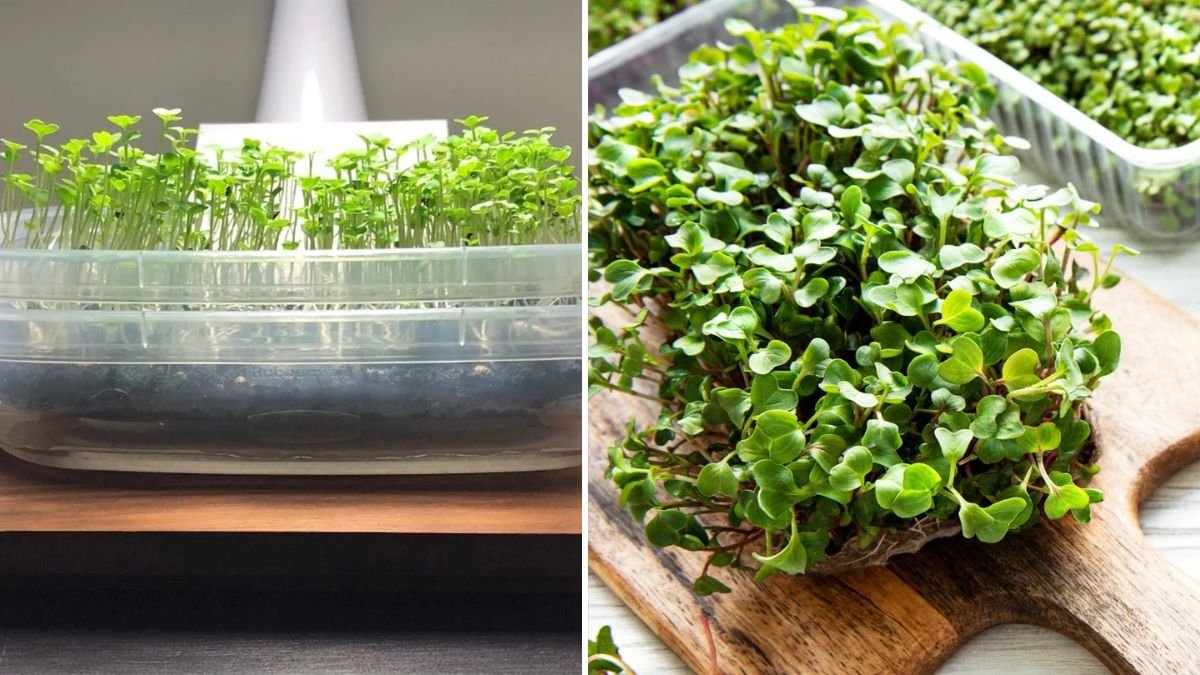
Introduction to Moringa Microgreens
Moringa oleifera, often referred to as the ‘drumstick tree’ or ‘miracle tree,’ is a nutritional powerhouse known for its rich content of vitamins, minerals, and antioxidants. Among the various forms of moringa, microgreens have gained significant popularity due to their impressive nutritional profile and easy growth process. Growing moringa microgreens at home is an excellent way to incorporate this superfood into your diet while adding fresh, vibrant greens to your meals.
In this comprehensive guide, we will take you through everything you need to know about growing moringa microgreens, step-by-step, ensuring a rewarding experience for beginners.
Why Moringa Microgreens?
Moringa microgreens are young moringa plants harvested just after the first true leaves appear. They are known for:
- Nutritional Benefits: High in protein, vitamins A, C, and E, minerals like calcium and potassium, and antioxidants.
- Culinary Uses: Moringa microgreens can be added to salads, smoothies, sandwiches, and garnishes for soups and dishes.
- Environmental Benefits: Moringa is drought-resistant and grows rapidly, making it a sustainable choice for home gardening.
Getting Started
Supplies Required
- Seeds: Purchase high-quality moringa seeds from a reputable source.
- Growing Medium: Use a soil-less mix or potting soil that drains well.
- Containers: Shallow trays or containers with drainage holes work best.
- Light Source: A sunny windowsill or grow lights if you lack sufficient natural light.
- Water Spray Bottle: For misting and watering your microgreens.
Choosing Seeds
Selecting the right moringa seeds is crucial. Look for organic, non-GMO seeds specifically labeled for sprouting or microgreen growth. These will offer the best germination rates and nutritional quality.
The Growing Process
Step-by-Step Guide
Step 1: Prepare the Seeds
- Soak your moringa seeds in water for 4-6 hours. This softens the seed coat and encourages quicker germination.
- After soaking, drain the seeds and allow them to sit for a few hours in a cool, dry place.
Step 2: Prepare the Growing Medium
- Fill your containers with the growing medium of your choice, leaving about an inch of space at the top.
- Moisten the medium lightly, ensuring it is damp but not soggy. Proper drainage is key.
Step 3: Plant the Seeds
- Evenly distribute the soaked moringa seeds on the surface of the growing medium without overcrowding.
- Gently press the seeds into the soil, but do not cover them deeply; they should be exposed to light for germination.
Step 4: Create a Humid Environment
- Cover the tray with a humidity dome or plastic wrap to maintain moisture levels.
- Place the tray in a warm location (around 70-75°F or 21-24°C) for optimal germination.
Step 5: Watering and Light
- Check the moisture daily. If the medium starts to dry out, mist it with water.
- After 3-5 days, you should see seedlings emerging. At this point, remove the cover to allow air circulation and light exposure.
Step 6: Provide Adequate Light
- Position the seedlings where they can receive plenty of natural light or use grow lights for about 12-16 hours per day.
- If you notice any stretching or leaning, it might indicate insufficient light. Rotate the trays if necessary to ensure even light exposure.
Step 7: Harvesting
- After 10-14 days, the microgreens will be ready for harvest when they reach about 4-6 inches in height and have developed their first true leaves.
- Use scissors to snip the microgreens just above the soil line. Rinse them under cool water and pat dry gently.
Tips for Successfully Growing Moringa Microgreens
- Airflow: Ensure there’s good airflow around your microgreens to prevent mold and mildew buildup.
- Temperature: Keep the temperature consistent. Avoid exposing your microgreens to extreme fluctuations.
- Nutrient Boost: If desired, you can apply a diluted liquid fertilizer (like fish emulsion) one week after germination for an extra nutrient boost.
- Pest Management: Keep an eye out for pests like aphids or whiteflies. If you see any, use a gentle soap solution to remove them.
Storing Moringa Microgreens
- After harvesting, store your moringa microgreens in an airtight container in the refrigerator.
- They are best consumed fresh, but they can last for about a week if stored properly.
Culinary Uses of Moringa Microgreens
Moringa microgreens can elevate a variety of dishes with their distinct flavor:
- Salads: Toss them into salads for a nutritious and crunchy addition.
- Smoothies: Blend them into your smoothies for added nutrients.
- Sandwiches and Wraps: Use them as a fresh garnish or filling in sandwiches and wraps.
- Soups and Stews: Sprinkle them on top of soups for a burst of flavor.
Common Challenges
- Seedlings Damping Off: This fungal disease can kill young seedlings. Ensure good airflow and avoid overwatering to prevent it.
- Leggy Growth: Caused by insufficient light. Ensure your microgreens get adequate light, or consider rotating them to maximize exposure.
- Mold: Excess moisture can lead to mold growth. Ensure good drainage and air circulation.
Frequently Asked Questions (FAQs)
1. Can I grow moringa microgreens indoors?
Yes! Moringa microgreens can be successfully grown indoors, provided they receive adequate light and warmth.
2. How often should I water moringa microgreens?
Water them as needed, keeping the soil moist but not soggy. A light misting with a spray bottle daily is often sufficient, especially during the germination phase.
3. Do I need special equipment to grow moringa microgreens?
No, basic supplies like seeds, soil, a container, and a light source are all you need. Grow lights can be beneficial but are not essential if you have access to natural sunlight.
4. How long does it take for moringa microgreens to grow?
Moringa microgreens typically take about 10-14 days from planting to harvest.
5. Can I replant the harvested moringa microgreens?
No, once harvested, the plants do not regrow. You can sow a new batch for a continuous supply.
6. Are moringa microgreens safe to eat?
Absolutely! They are a highly nutritious food source packed with vitamins and minerals, and safe for consumption.
7. How should I store harvested moringa microgreens?
Store them in an airtight container in the refrigerator for up to one week.
8. Can I use regular potting soil for moringa microgreens?
Yes, you can use regular potting soil. Just ensure it drains well to avoid root rot and other issues.
Conclusion
Growing moringa microgreens at home is a rewarding and simple endeavor that provides a wealth of nutritional benefits. With proper care and attention, you can enjoy a fresh supply of these versatile greens in your culinary creations. Follow this guide, and you’ll be on your way to a successful and sustainable microgreen garden in no time!