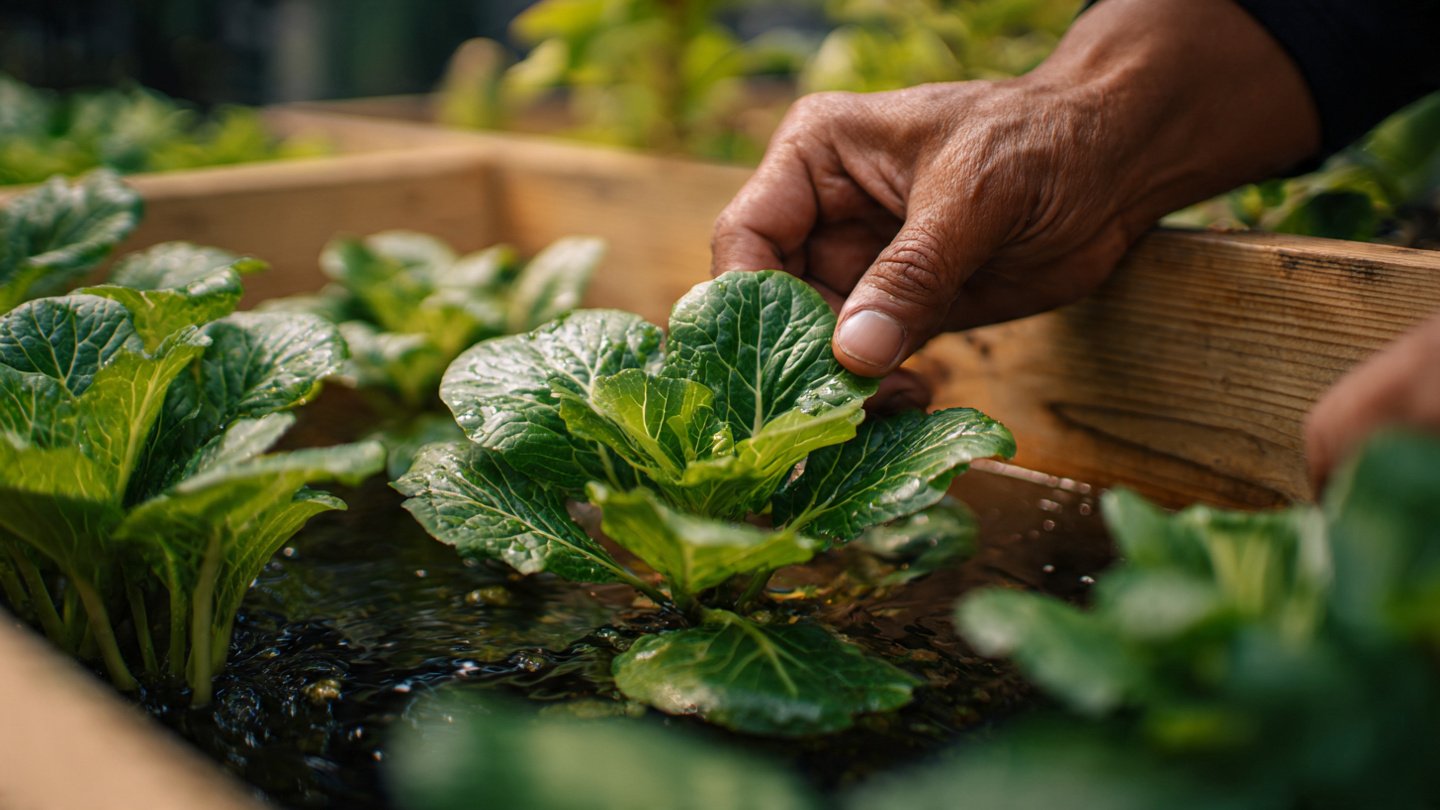
Kang Kong, also known as water spinach or Ipomoea aquatica, is a leafy vegetable commonly used in Southeast Asian cooking. It thrives in warm, humid climates and offers numerous health benefits, including being rich in vitamins A and C, iron, and antioxidants. Cultivating Kang Kong in container gardens is an excellent choice for beginners, as it requires minimal space and can yield a bountiful harvest. This guide will walk you through the steps to successfully cultivate Kang Kong in containers, covering everything from selecting containers to harvesting.
1. Understanding Kang Kong
1.1 Overview
Kang Kong is a semi-aquatic plant that prefers wet conditions. It can be grown in various environments, including ponds, wetlands, or simply in containers filled with water or moist soil. This adaptability makes it ideal for home gardeners looking to grow their veggies in limited space.
1.2 Benefits of Growing Kang Kong
- Nutritional Value: Rich in vitamins A, C, and iron.
- Culinary Versatility: Can be used in salads, stir-fries, and soups.
- Fast Growth: Can be harvested within a few weeks of planting.
2. Choosing the Right Container
Selecting the correct container is crucial for successful Kang Kong cultivation.
2.1 Container Type
Choose containers that are deep and wide enough to accommodate root growth. You can use:
- Plastic Pots: Affordable and lightweight.
- Wooden Planters: Aesthetic choice, but ensure they’re treated for water resistance.
- Metal Buckets: Unique and effective, though they may heat up in direct sunlight.
2.2 Drainage
Ensure the container has drainage holes to prevent waterlogging. If you’re growing in a non-draining container, monitor the water levels closely.
2.3 Size
For beginner gardeners, a container with a capacity of at least 5 gallons is recommended. This will allow for several plants and provide enough depth for the roots.
3. Soil Mix and Water Requirements
3.1 Soil Requirements
Kang Kong grows well in nutrient-rich, loamy soil mixed with organic matter. You can create an ideal soil mix using:
- Potting Soil: Provides a good base.
- Compost: Adds nutrients and improves soil structure.
- Perlite or Vermiculite: Increases drainage capabilities.
3.2 Water Requirements
Kang Kong requires a lot of moisture:
- Watering Frequency: Keep the soil consistently moist. Water daily if necessary.
- Water Level: If grown hydroponically, ensure the water level is at least 2-3 inches above the roots.
4. Planting Kang Kong
4.1 Seed Selection
You can either use seeds or stem cuttings. While seeds can take longer to germinate, stem cuttings are a faster option.
4.2 Planting Seeds
- Soak seeds in water overnight to enhance germination.
- Sow seeds about 0.5 inches deep and cover lightly with soil.
- Water gently after planting.
4.3 Planting Stem Cuttings
- Cut a healthy stem about 6-8 inches long, ensuring it has several leaves.
- Place the stem cutting in water until roots develop (1-2 weeks).
- Once roots are established, plant cuttings in the container.
5. Providing the Right Environment
5.1 Light Requirements
Kang Kong thrives in full sunlight. Aim for 6-8 hours of direct sunlight each day. If you’re in a cooler climate, consider moving the plants to a warmer location or providing supplemental lighting.
5.2 Temperature Requirements
Ideal temperatures for Kang Kong growth range between 70°F to 90°F (21°C to 32°C). Protect plants from frost or extreme cold by bringing containers indoors or using protective coverings.
6. Fertilization
6.1 Organic Fertilizers
Consider using organic options, such as fish emulsion or seaweed extract, for fertilizing your Kang Kong:
- Frequency: Fertilize every two weeks during the growing season.
- Application: Dilute the fertilizer in water and apply directly to the soil.
6.2 Signs of Nutrient Deficiency
Watch for yellowing leaves or stunted growth, which may indicate nutrient deficiencies. Adjust your fertilizer application accordingly.
7. Pest and Disease Management
Kang Kong is relatively resilient but can still fall prey to pests and diseases.
7.1 Common Pests
- Aphids: Small, green insects that can cause wilting. Use insecticidal soap to manage.
- Snails and Slugs: They love the moist conditions. Handpick or use barriers to deter them.
7.2 Diseases
Prevent diseases by ensuring good drainage and air circulation. Avoid overhead watering to limit moisture on leaves, which can lead to fungal issues.
8. Harvesting
8.1 When to Harvest
You can start harvesting Kang Kong within 3-4 weeks of planting, once the leaves are large enough to eat.
8.2 How to Harvest
- Method: Use sharp scissors to cut the outer leaves, promoting new growth.
- Harvest Frequency: Regular harvesting encourages the plant to produce more foliage.
9. Tips for Success
-
Rotate Crops: If you’re planting Kang Kong in the same location repeatedly, practice crop rotation to prevent soil depletion and pest buildup.
-
Monitor Water Quality: If using container water, ensure it’s clean and fresh. Change the water regularly, especially if growing hydroponically.
-
Companion Planting: Consider growing Kang Kong alongside other compatible plants, such as basil or chilies, to maximize your container garden’s yield.
10. FAQs
Q1: Can Kang Kong be grown indoors?
A1: Yes, Kang Kong can be grown indoors if it receives enough light. Supplemental grow lights may be necessary.
Q2: How long does it take for Kang Kong to grow from seed?
A2: Kang Kong can take 7-10 days to germinate from seeds and be ready for harvest in about 3-4 weeks.
Q3: Is Kang Kong a perennial or annual plant?
A3: Kang Kong is typically grown as an annual, although it may come back in warmer climates.
Q4: Can I grow Kang Kong in hydroponic systems?
A4: Yes, Kang Kong grows well in hydroponic systems, and many gardeners prefer this method for its speed and efficiency.
Q5: What should I do if my Kang Kong leaves turn yellow?
A5: Yellowing leaves can indicate nutrient deficiencies, overwatering, or even pest issues. Assess the water quality and check for pests.
Q6: Can I use store-bought Kang Kong to plant?
A6: Yes, you can use store-bought Kang Kong stem cuttings for planting, but make sure they are fresh and healthy.
Q7: What pests should I watch for specifically?
A7: Look out for aphids, snails, and slugs, as they are common pests that target Kang Kong.
Q8: Can Kang Kong survive winter temperatures?
A8: Kang Kong is not frost-tolerant and will not survive freezing temperatures. In colder climates, bring containers indoors during winter or completely harvest the plants.
Q9: What is the best time to plant Kang Kong?
A9: The best time to plant Kang Kong is in the warm months after the last frost, typically in spring.
Q10: How can I store Kang Kong after harvesting?
A10: Store harvested Kang Kong in plastic bags in the refrigerator for up to a week. Keep it moist but not soggy to maintain freshness.
Conclusion
Growing Kang Kong in container gardens is an accessible and rewarding endeavor for beginners. By following the steps outlined in this guide, you’ll not only enjoy the satisfaction of cultivating your vegetables, but you’ll also reap the culinary and health benefits that come with your fresh harvest. Happy gardening!